

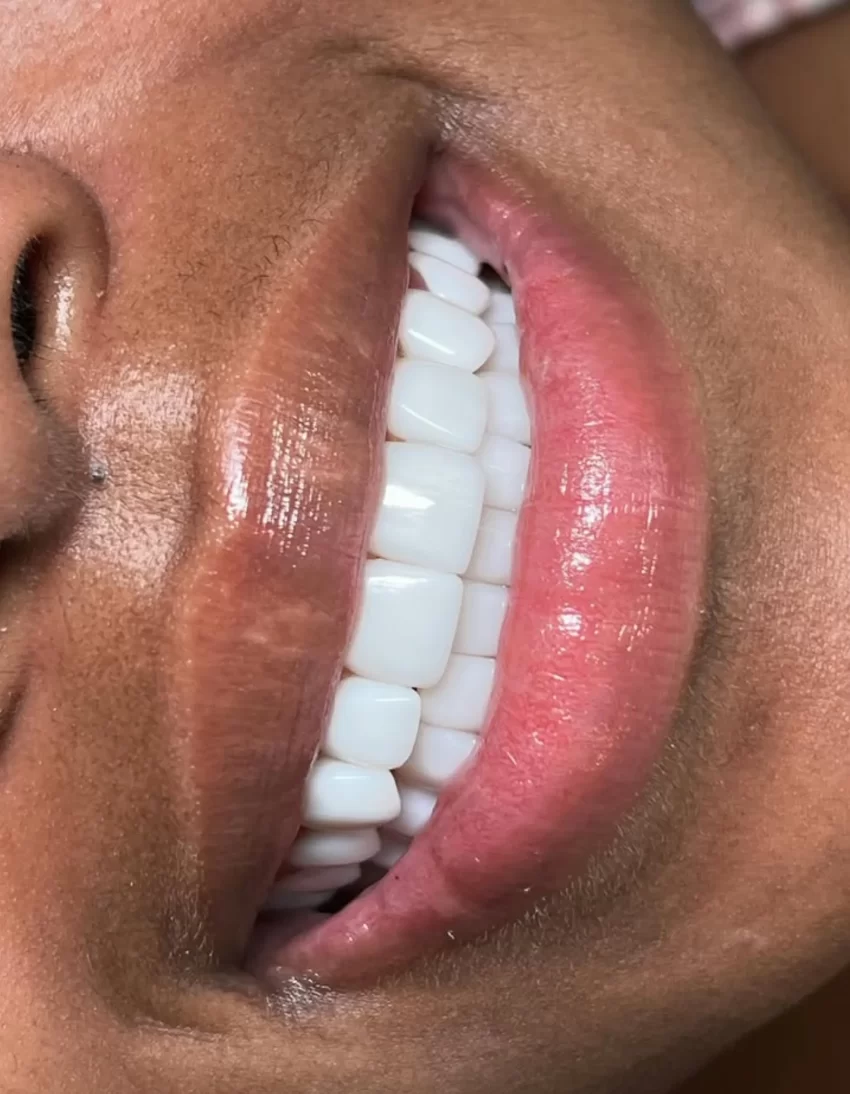
If you’re in the beauty or dental care industry, you’ve probably noticed the surge in clients asking about professional treatments like teeth whitening alongside their brows, lashes, and facials. At Cosmetic Tattoo Brisbane Studio Face Figurati, we’ve seen firsthand how this demand has exploded—especially among clients who already trust us with their brows and cosmetic tattooing. But before you invest in training others or offering teeth whitening courses, let’s unpack whether there’s real demand for teeth whitening education in Australia right now—or if it’s just another passing TikTok trend.
Spoiler: it’s not just hype. But not all demand is smart demand. And not all courses are created equal.
In this post, we’ll dive deep into industry stats, client trends, consumer preferences, active ingredients, oral hygiene practices, legal considerations, and the lived experience of beauty and dental professionals who’ve added whitening to their service menu or training offerings. We’ll also look at the most common mistakes new trainers make—and how to avoid them.
Contents
- 1 Why Teeth Whitening Is Popping Off
- 2 Who’s Signing Up for Courses?
- 3 What Makes a Good Course Worthwhile?
- 4 Legal, Ethical, and Safety Considerations
- 5 What I Tell Beauty Therapists
- 6 Course Pricing and Profitability
- 7 Common Pitfalls
- 8 Final Thoughts
- 9 FAQ
- 9.1 Do I need to be a dentist to offer teeth whitening training in Australia?
- 9.2 How long does a typical teeth whitening training course take?
- 9.3 Is a licence required to provide teeth whitening services?
- 9.4 What peroxide strength is legal in Australia for cosmetic use?
- 9.5 Can I combine teeth whitening with other services like brows or facials?
Why Teeth Whitening Is Popping Off
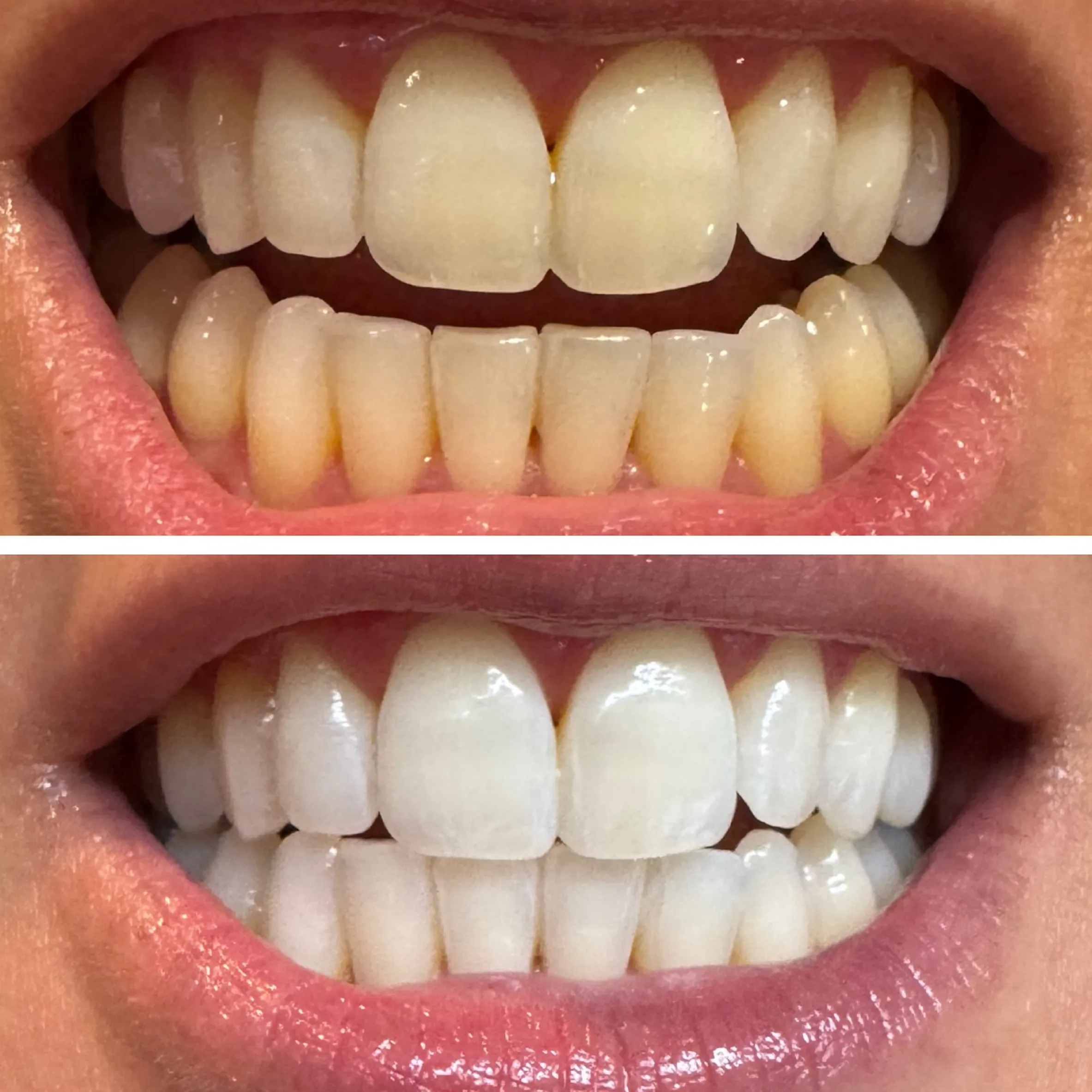
Let’s be real—a radiant smile is still one of the most-requested aesthetic improvements, especially in a selfie-obsessed world. But here’s what’s driving the real demand for teeth whitening courses in 2025:
1. The cosmetic dental boom
According to a 2025 market report, the Australian cosmetic dentistry market hit over $1.2 billion in 2024. Cosmetic procedures like teeth whitening made up a significant share of dental services and are expected to see even more growth due to rising disposable incomes and increasing awareness about dental aesthetics.
2. The TikTok-to-treatment pipeline
Social platforms are flooding with DIY whitening kits, whitening trays, and whitening gels. But clients are also becoming more cautious about product types, peroxide content gels, and potential side effects like tooth sensitivity and enamel erosion. This is driving demand for trained professionals who use regulated, effective products.
3. More beauty therapists are upskilling
Salons and dental practices are adding whitening as a low-overhead, high-margin service. For beauty therapists and oral care professionals already trained in aesthetic procedures, a teeth whitening course is a natural add-on that clients trust. It enhances the product portfolio and offers a variety of products to meet diverse customer needs.
4. Clients want convenience
Many Australians would rather whiten their natural teeth at the same place they get cosmetic treatments or regular brushing reminders. Offering cosmetic teeth whitening in-house keeps things simple for clients and sticky for your business. Whether it’s part of a dental practice or a beauty studio, professional whitening services are in.
Who’s Signing Up for Courses?
From dental assistants to brow techs, the student base for whitening education is growing fast. Based on enrolment trends from three major Australian beauty training providers, here’s who’s taking these courses:
| Profession | % of Enrolments (2024) |
|---|---|
| Beauty Therapists | 41% |
| Cosmetic Tattoo Artists | 22% |
| Dental Assistants | 17% |
| Lash/Brow Artists | 14% |
| Others (Hairdressers, etc.) | 6% |
Most students are already in client-facing roles and want to offer professional whitening services using safe and effective teeth whitening methods. Completing a high-quality teeth whitening course gives them the confidence and credentials to do so safely.
What Makes a Good Course Worthwhile?
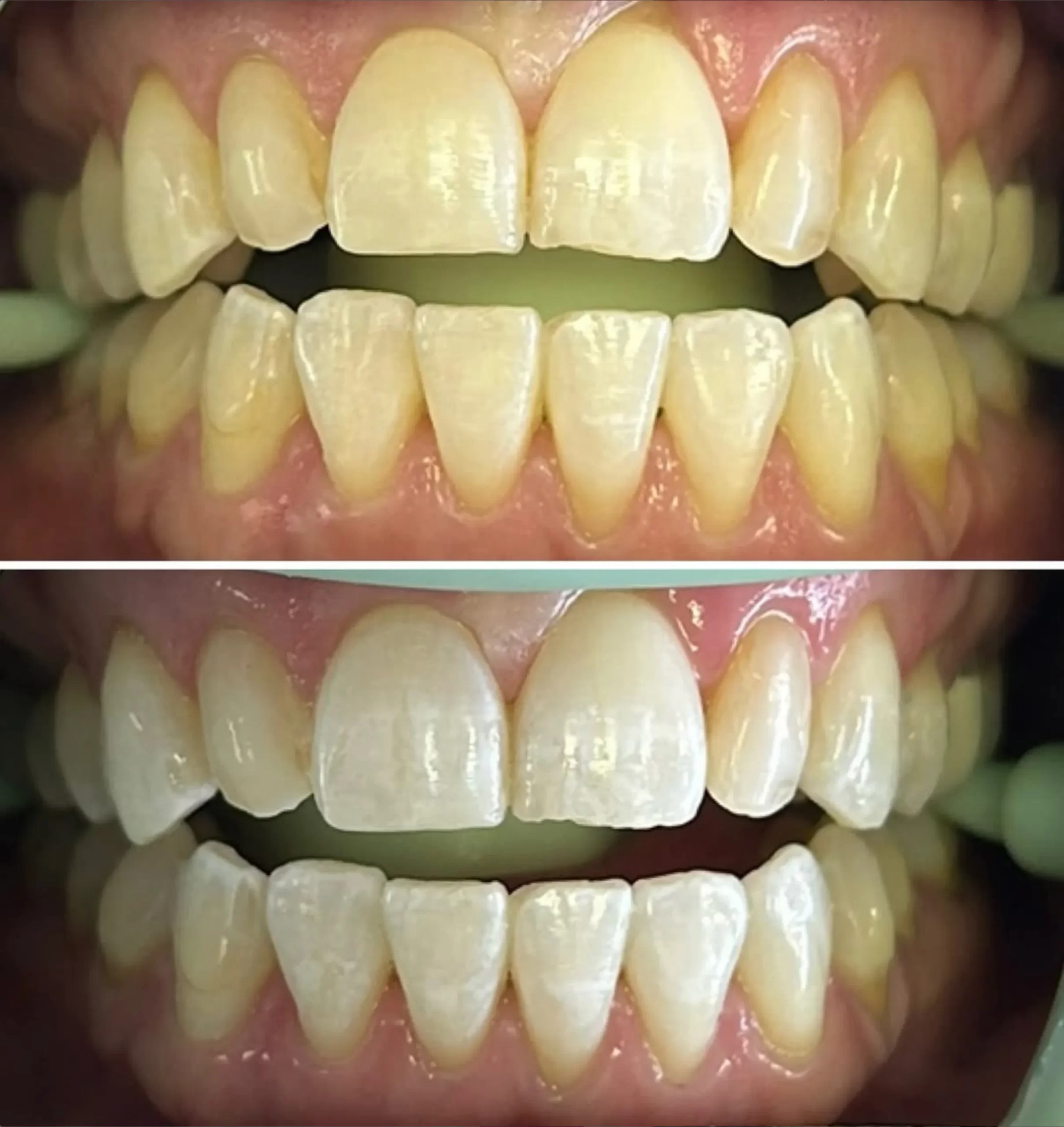
Here’s the thing: not all whitening kits and training are created equal. And if you’re considering teaching a whitening course yourself, it’s not just about popping a PDF online and calling it a day.
Look for (or create) courses that:
- Teach proper use of peroxide-based gels under current Australian regulations (hint: active hydrogen peroxide strength matters)
- Include infection control, safety, and client consent procedures
- Use TGA-compliant dental products and explain the difference between cosmetic and dental procedures
- Provide hands-on training with whitening trays and professional products
- Offer business support (e.g. how to price, upsell, and manage sensitive teeth and surface stains)
Legal, Ethical, and Safety Considerations
This is where some aspiring trainers trip up. In Australia, cosmetic teeth whitening is considered a non-invasive service if it doesn’t involve diagnosis or treatment. But…
- Anything over 6% hydrogen peroxide or 18% carbamide peroxide is regulated by the Dental Board
- Only dental professionals can legally diagnose or treat oral disease or tooth discolouration
- You must have clear disclaimers, obtain client consent, and use whitening products within safety limits
- Insurance is essential—and not all insurers cover untrained operators or ineffective teeth whitening services
What I Tell Beauty Therapists
From behind the treatment bed and dental chair, here’s the real talk I give my own peers:
- Yes, there’s strong client demand for teeth whitening—especially when bundled with LED facials or cosmetic tattoo refreshes
- Yes, it’s a good earner—some of our students earn $200-$400 per professional whitening session, depending on location
- But only if you do it properly—cutting corners with counter products or unregulated whitening gels puts your reputation and client dental health at risk
If you’re thinking of offering whitening courses yourself, invest in:
- A clear curriculum outlining whitening process and effective teeth care
- Demonstrated experience using a variety of products in a studio or mobile setting
- Knowledge of whitening active ingredients, such as hydrogen peroxide, and risks like tooth enamel damage or oral sensitivity
- Ongoing professional advice and student support post-training
Course Pricing and Profitability
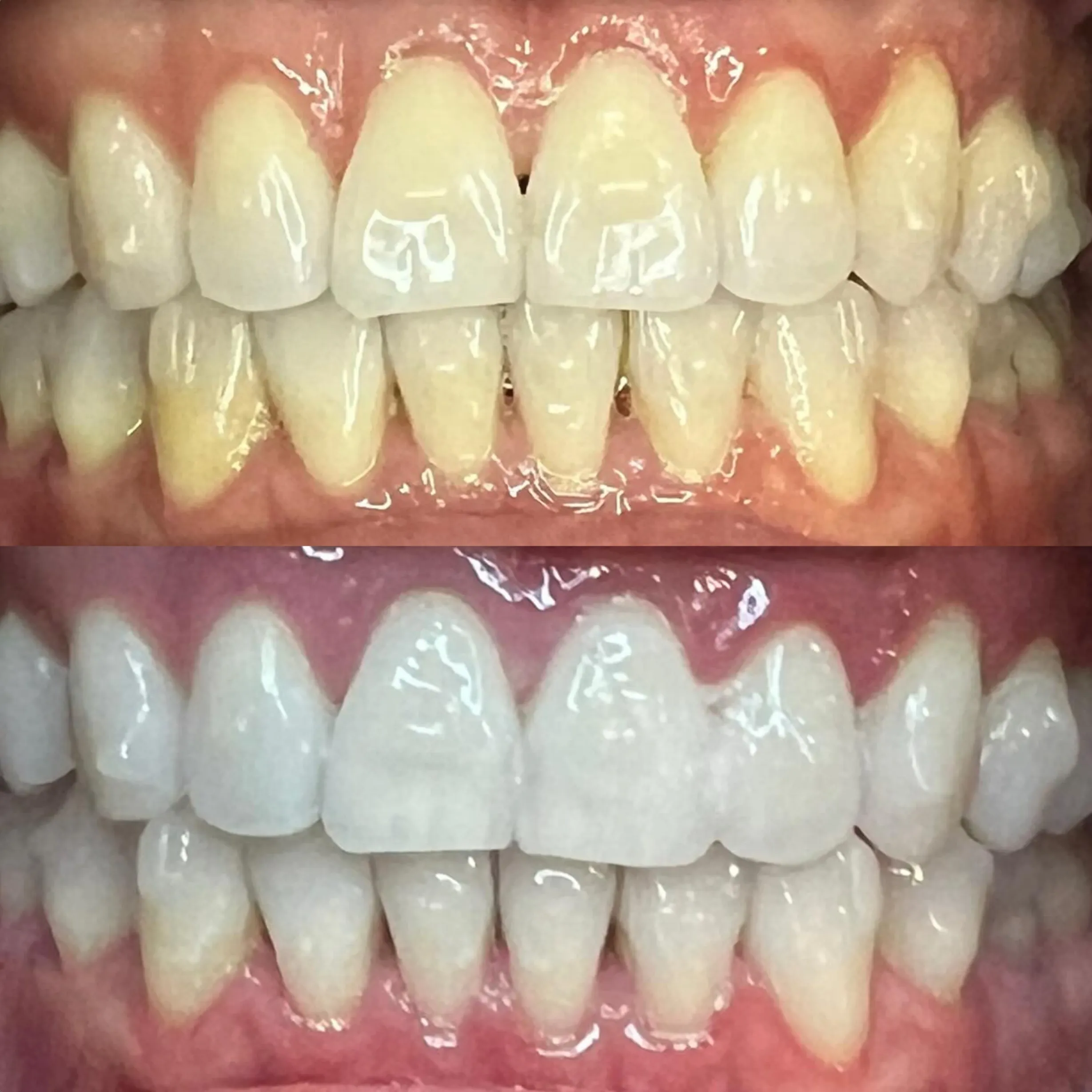
Let’s talk money. Here’s what a solid, compliant teeth whitening course looks like in terms of pricing and return:
| Course Type | Price Range (AUD) | Includes |
| Online Theory Only | $299 – $499 | No kit, no hands-on training |
| In-Person Group Workshop | $650 – $1,200 | Kit, demos, whitening trays |
| 1:1 VIP Training | $1,500 – $2,500 | Full kit, live models, product list |
Graduates can charge between $150 – $300 per whitening treatment. With minimal consumable costs, margins are high—especially when bundled with other dental solutions or aesthetic dentistry services.
Common Pitfalls
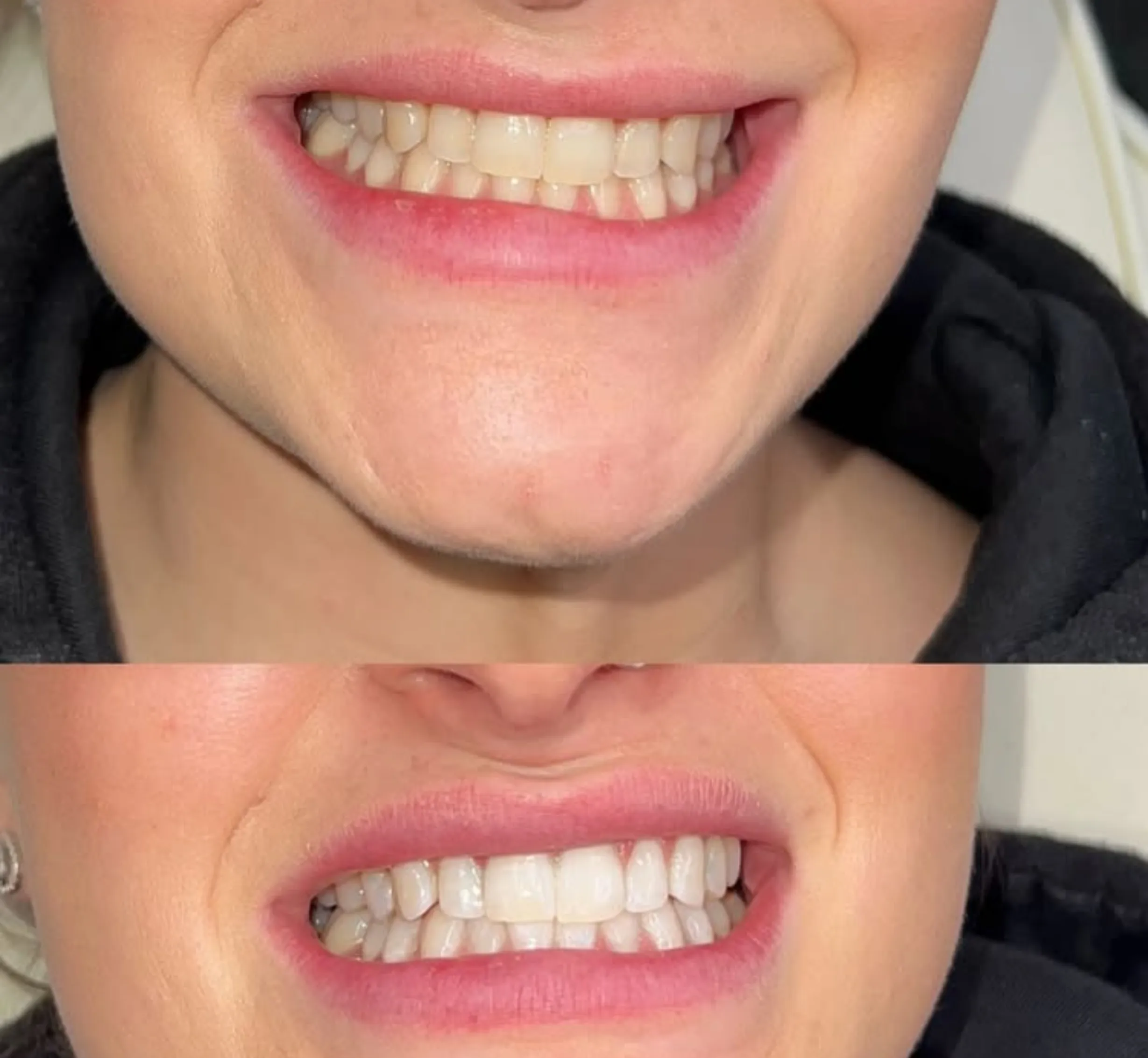
If you’re considering creating your own whitening training, avoid these:
- Rehashing overseas content that doesn’t meet Aussie standards or match local oral hygiene guidelines
- Skipping the science—students need to understand oral care products, enamel surface safety, and whitening ingredient lists
- Not providing ongoing support—your students will need help managing sensitive teeth or treating surface stains
- Undercutting your own industry by pricing too low and devaluing professional products
Final Thoughts
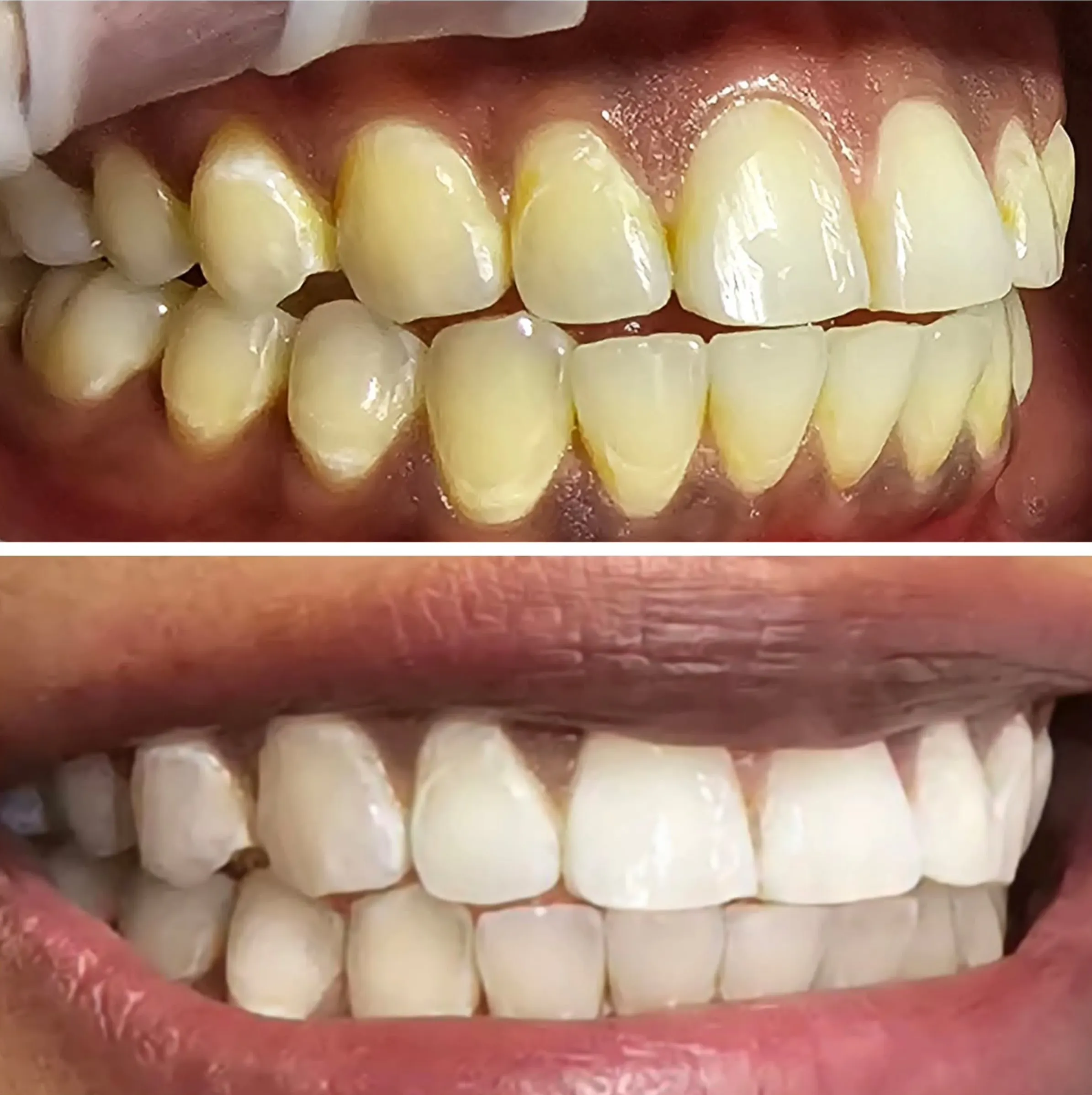
Short answer: Yes. The market for teeth whitening is booming. But only if you offer the right product types, training standards, and safety assurances.
Teeth whitening services are on the rise in Australia thanks to aesthetic dentistry trends, consumer demand for whiter teeth and a brighter smile, and increasing oral health awareness. But client trust, safe peroxide content, and effective teeth results matter more than fast profits.
If you’re a beauty or dental professional with real-world experience and a commitment to healthy teeth and aesthetic treatments, offering a professional whitening course could be a smart and rewarding business move.
Just remember: your reputation is your best marketing tool. And in 2025, informed clients want whiter smiles without adverse effects or enamel erosion.
FAQ
Do I need to be a dentist to offer teeth whitening training in Australia?
No, but you must stay within cosmetic procedures boundaries and only use TGA-compliant products within legal peroxide limits.
How long does a typical teeth whitening training course take?
Anywhere from a 3-hour online theory session to a full-day in-person hands-on whitening process workshop.
Is a licence required to provide teeth whitening services?
No formal licence, but insurance and certificates are often required by insurers and landlords to ensure protection against potential side effects.
What peroxide strength is legal in Australia for cosmetic use?
Up to 6% hydrogen peroxide or 18% carbamide peroxide without dental qualifications. Anything stronger is for dental professionals only.
Can I combine teeth whitening with other services like brows or facials?
Absolutely—many beauty salons and dental practices bundle whitening with LED facials, dental restorations, or tattoo refreshes to deliver a perfect smile and attract new clients through aesthetic improvement and smart purchase options.