

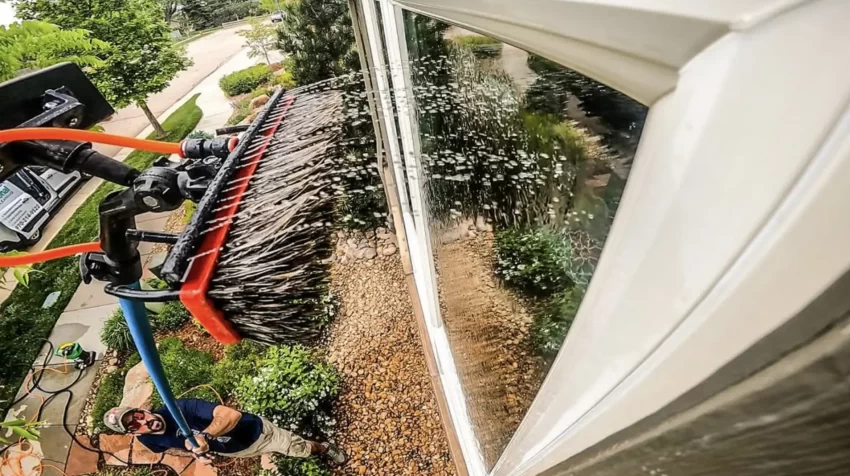
Is it OK to use washing-up liquid to clean windows? Yes, but only if it’s used properly, in the right conditions, and with the correct tools. Otherwise, it can just make a mess.
This article breaks down when dishwashing liquid is fine, when it’s not, and what the pros do differently. If you’re a homeowner, tenant, or strata manager trying to get your glass looking streak-free without paying for a full professional window cleaning solution, this will save you a lot of frustration.

What is washing-up liquid?
Washing-up liquid (or dishwashing liquid) is a surfactant-based cleaner designed to cut through heavy grease and lift grime. It’s common in kitchens, but many DIYers reach for it when tackling the arduous task of outdoor window cleaning. Why? It’s cheap, readily available, and seems gentle enough for glass surfaces. It’s also commonly used in residential and even some light commercial jobs, including those handled by window cleaners Melbourne locals rely on.
Can washing-up liquid clean windows?
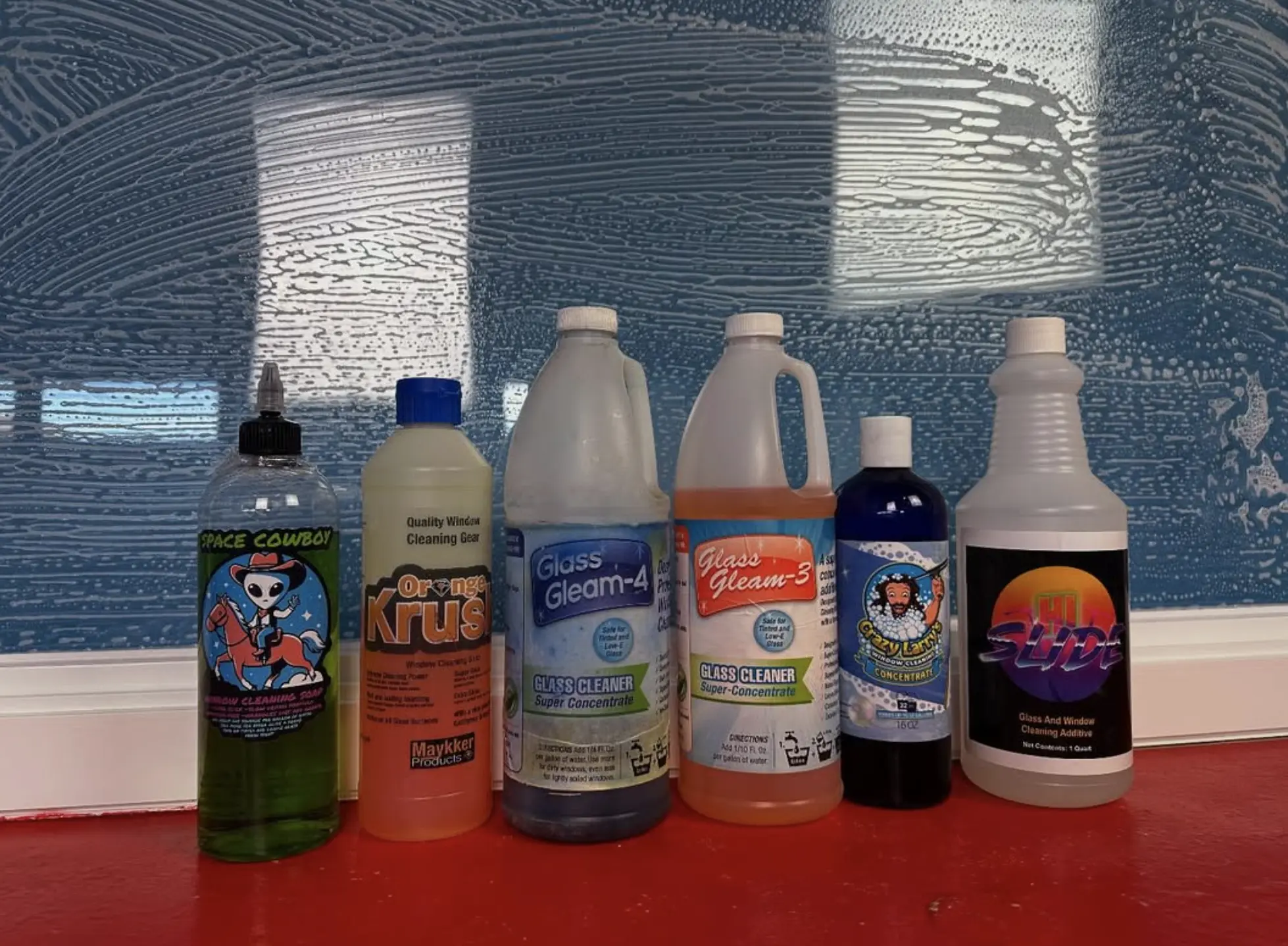
When diluted correctly (we’re talking a few small drops of Fairy Liquid or other high-quality liquid dish soap per bucket of warm water or lukewarm water), it can lift stubborn dirt, fingerprints, and even some coarse dirt or bird droppings off your window panes. That’s why you’ll find it in many professional window cleaners’ kits — but not the way most people use it at home.
Common mistakes people make
Here’s where DIY window cleaning with dish soap can go pear-shaped:
- Too much soap: Overusing dishwashing liquid leaves behind residue and streaks.
- Cold water or hot water: Either extreme can mess with the mix; lukewarm water is ideal.
- Wrong cloths: Bath towels, excess paper towels, or scrunched-up newspaper leave lint and water marks.
- No squeegee: Trying to dry glass with cloths alone just redistributes the soapy water and dirt trap.
- Direct sun or bad weather: Cleaning in hot sun dries the solution too fast, while cold weather creates condensation.
The right way to use washing-up liquid for window cleaning
Want professional window cleaning results on a budget? Here’s the method we’d use on domestic windows:
What you’ll need:
- A bucket of window cleaning mix: warm water (or soft water if available)
- 2-3 drops of fresh dishwashing liquid or green Fairy Liquid
- High-quality sponge, soft sponge or strip applicator
- Professional-grade squeegee with sharp rubber blade or squeegee rubbers
- Microfibre cloth, clean microfibre cloth, dry, lint-free cloth, or bamboo cloth for detailing
- Clean water to rinse and avoid dirty water reuse

How to do it:
- Fill your bucket with litres of water (lukewarm or soft water) and mix in just a dash of washing-up liquid.
- Wet your applicator or soft sponge in the solution and apply it over the entire glass surface.
- Use your squeegee in overlapping strokes from top to bottom, wiping the blade from time to time with a clean, lint-free microfibre cloth.
- Detail the edge of the window and sills with an absorbent cloth, damp cloth or microfiber towels.
Pro Tip: If your water is very hard, use distilled water or add a bit of vinegar to your cleaning solution for that brilliant finish. In high-rise window cleaning, water-fed pole systems often incorporate deionised water to achieve a streak-free finish without the need for soap.

When washing-up liquid isn’t the best choice
Some situations call for something more than elbow grease dish soap:
- Greasy windows near BBQs: Use a professional window cleaning solution with a degreaser or a dash of vinegar essence.
- Hard water stains or foam water stains: Use a glass-safe acid-based commercial window cleaner.
- Mould around frames or shower screens: Use an anti-mould treatment, not just soap.
- Salt spray on exterior windows near the coast: Choose a commercial window cleaning product designed for harsh conditions.
Trying to clean with the wrong tools or abrasive window cleaning detergents in these cases can lead to scratched glass or poor results.
What professional window cleaners use
Most professional window cleaners don’t rely on washing-up liquid alone. We use a dedicated window washer kit that offers:
- Streak-free results and streak-free shine
- Fast-drying, effective squeegee methods
- Less residue and reduced risk of drips of water
- Faster turnaround for commercial window cleaning products and jobs
Whether it’s routine maintenance or specialised high-rise window cleaning in Melbourne’s CBD, the right tools make all the difference. Window Cleaning Melbourne jobs often involve a mix of techniques depending on glass condition and building type.
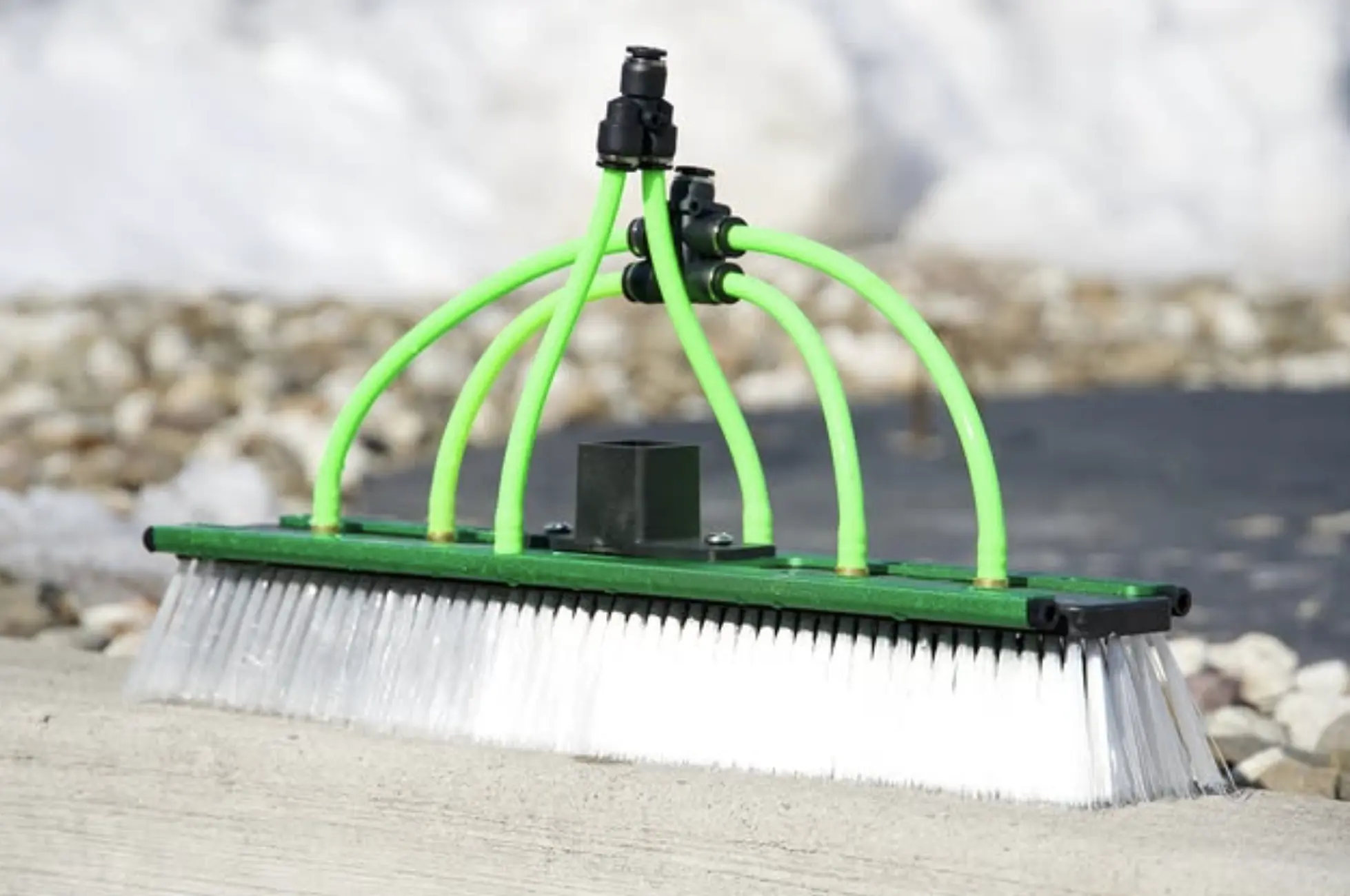
That said, for regular cleaning on domestic windows or bedroom windows, a bucket of window cleaning water with a drop of Fairy and the right tools is an affordable window cleaning solution. Some homeowners even try their hand at Melbourne window cleaning themselves, with decent results when they follow pro-level steps.
Final thoughts
So, is it OK to use washing-up liquid to clean your windows? Absolutely — with some expert advice, warm water, and the right window cleaning hack, even dirty window panes can become crystal-clear windows. Just remember:
- Don’t overdo the dish soap
- Use proper, lint-free cloths
- Avoid cleaning in bad weather
- Rinse with clean water (or hose on jet spray if cleaning external windows)
For those looking for help, the Window Cleaning Melbourne Crew is always ready to lend a hand.
FAQ
What’s the best washing-up liquid to use for windows?
Stick with simple, fresh dishwashing liquid like Fairy Liquid. Avoid expensive brand-name cleaning sprays with lotion or antibacterial agents, or aerosol spray formulas — they leave residue.
Can I use washing-up liquid on tinted or Georgian windows?
Yes, if it’s diluted properly and not applied with harsh chemicals or abrasive pads. Always check with your window manufacturer first.
Will washing-up liquid damage window frames?
Not usually. Just don’t soak timber frames. Use a damp cloth for cleaning of windows, and follow up with a dry cloth.
Why are my windows still streaky after cleaning?
It could be too much soap, not enough squeegee technique, harsh sun, or the wrong clothes. Sometimes, even a standard window cleaner will struggle without the correct tools.
Should I mix vinegar with dish soap?
You can, especially for external windows or when you need that extra shine. A cup of vinegar essence or even a dash of vinegar can boost cleaning power.