

If you’ve ever wondered, “How do I avoid enrolling in uncertified tattoo removal courses?” you’re already well ahead of the curve for most people stepping into the laser world. Here in our Brisbane studio, we’ve seen artists who signed up for courses that looked super impressive online, only to later discover they didn’t meet the mark – infection control standards were missing, skin types weren’t covered properly, and safe laser techniques just weren’t on the agenda.
As someone who’s trained up the wazoo across Europe and Australia, I (Uliana Kasperska) can tell you how vital it is to get your head around treatment protocols, skin anatomy and laser tech before you even lay a hand on a client. So before you spend a single dollar, get a good, hard look at the tattoo removal courses you’re considering and check whether they actually meet the insurance and council requirements – most of those dodgy ones won’t even tell you until it’s too late.
Choosing the right training is not just about collecting certificates – it’s about making sure you’re not putting people’s skin, their lymphatic system, and their well-being at risk – not to mention adhering to Australian laser safety standards from day one.
Contents
- 1 Why Proper Tattoo Removal Skills Matter
- 2 How To Know A Course Is Certified
- 3 Red Flags a Course Isn’t Certified
- 4 What Brisbane Students Often Miss
- 5 Comparison Table: Certified vs Uncertified Courses
- 6 Proper Checks Before Enrolling
- 7 Real Stories From Our Studio
- 8 Final Thoughts
- 9 Frequently Asked Questions
- 9.1 How do I check if a tattoo removal course is certified and worth my time?
- 9.2 Do I need to get hands-on training for laser tattoo removal?
- 9.3 What qualifications does a good trainer need to have?
- 9.4 Why is infection control so important with laser tattoo removal anyway?
- 9.5 Can you even use a laser device after a dodgy course?
Why Proper Tattoo Removal Skills Matter
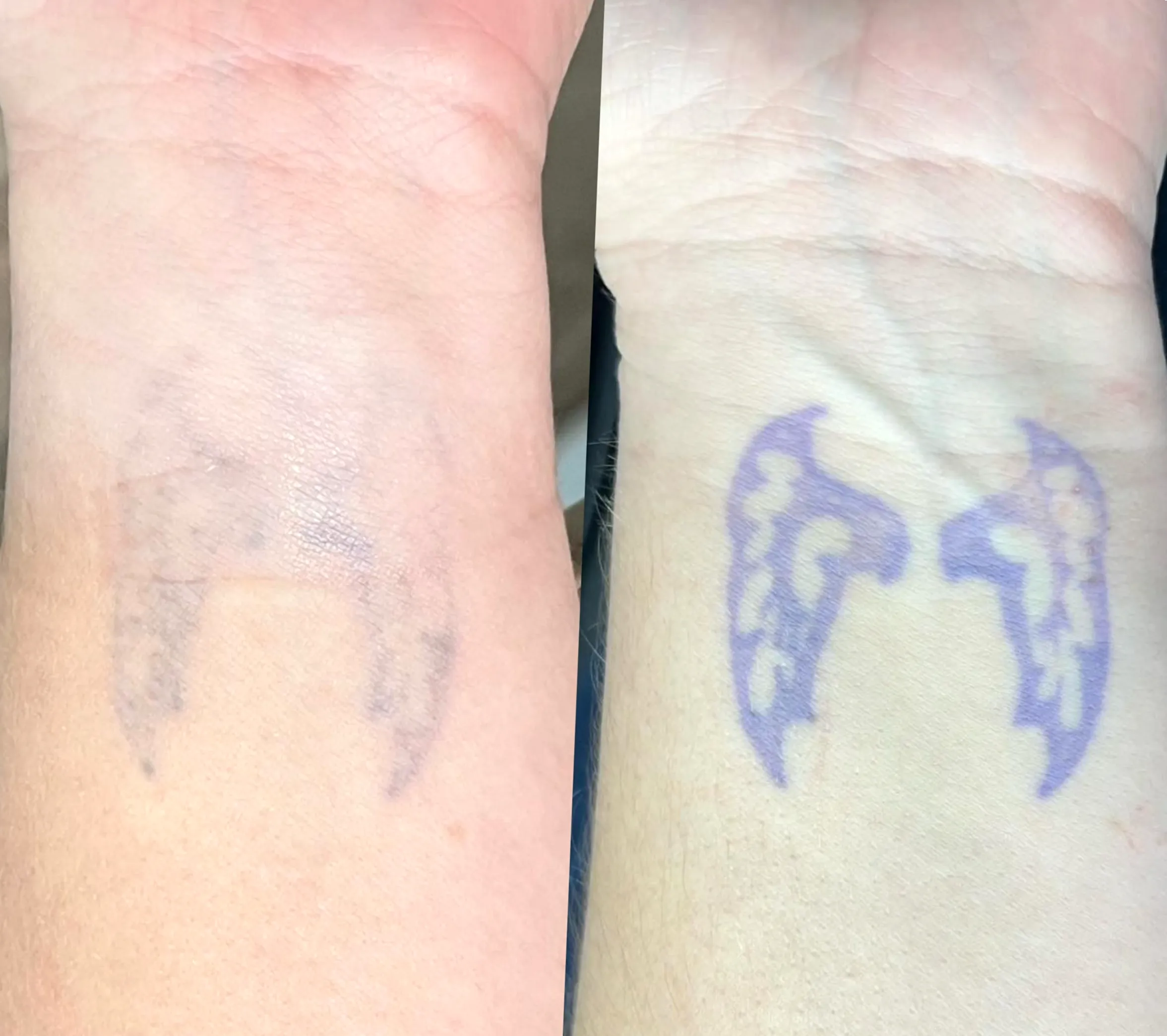
Tattoo removal involves medical-grade lasers, assessing clients, and having a deep understanding of how ink molecules work, how skin behaves, and how to get tissue healing right. And let’s be clear, this is not just some trendy beauty treatment – it’s a health-risk service that’s bound by strict hygiene standards and safety protocols in Queensland.
The risks of going the uncertified route are pretty scary:
- Insurers refusing to cover you
- Councils knocking back your application
- Unsafe laser device use
- Misunderstanding skin types and allergic reactions
- Not being able to spot the signs of infection
- Getting ink dispersion all wrong due to poor technique
We often meet beginners who did a laser hair removal course first and then assumed tattoo removal was just the same trick, but no laser treatments for ink need whole different safety protocols and training altogether.
How To Know A Course Is Certified
Think of this as your studio checklist — the same standards we use whenever we upgrade our own skills.
1. The Trainer Must Hold Recognised Qualifications
A legitimate course must clearly list the trainer’s:
- Laser Safety Officer Certificate
- Laser safety training
- Manufacturer training for tattoo removal equipment
- Qualifications in skin anatomy, cosmetic laser treatments, and medical histories
If a provider never mentions clinician qualifications, their course is not compliant.
2. The Course Must Follow Australian Laser Safety Standards
Any legitimate training program in Australia must:
- Teach laser treatments using medical-grade equipment
- Include laser practitioner requirements
- Meet state infection control standards
- Demonstrate correct use of medical-grade lasers and picosecond laser technology
Unlike quick online tattoo removal courses that skip practical assessments, proper training must include hands-on use of medical-grade lasers and supervised case studies.
3. Insurance Should Accept The Certificate
Before enrolling, ask your insurer if they accept:
- The course provider
- The laser technology taught
- Practical case studies included
Reputable courses encourage this step. Uncertified ones hope you skip it.
Red Flags a Course Isn’t Certified
Over the years, we’ve heard the same stories from disappointed students. Here are the giveaways:
1. “Internationally Accredited” With No Explanation
A big red flag. Many uncertified training providers hide behind vague global labels. If they can’t name the accreditation body, it doesn’t exist.
2. No Infection Control Standards
Tattoo removal exposes blood, micro particles, and lymph nodes. You must be trained in:
- Hygiene standards
- Cleaning protocols
- Signs of infection
- Sharps disposal
- Clinic workflow
If it’s missing? Leave.
3. Online-Only Laser Training
Laser techniques require supervised practice. You must:
- Calibrate a laser device
- Observe skin behaviour under picosecond pulses
- Identify immediate endpoints
- Choose fluence based on skin types
You cannot learn this by reading PDFs.
4. No Case Studies Or Model Work
A proper course includes:
- Client reviews
- Multiple case studies
- Hands-on treatment
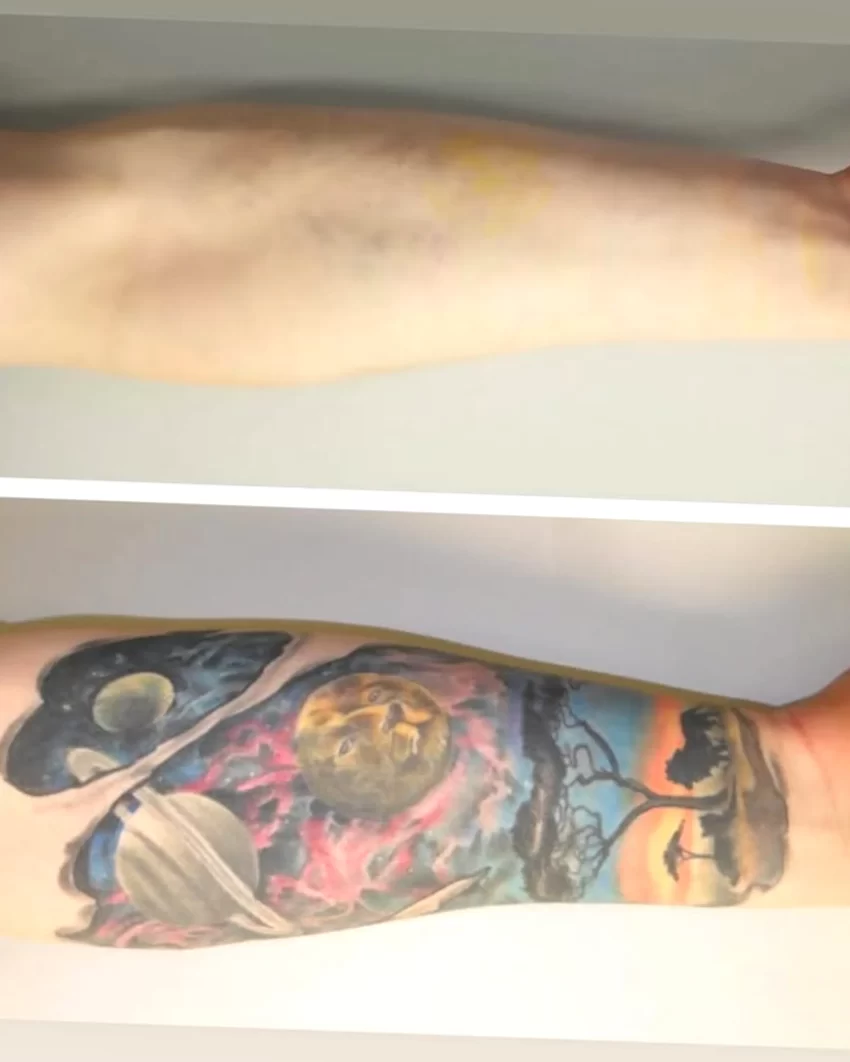
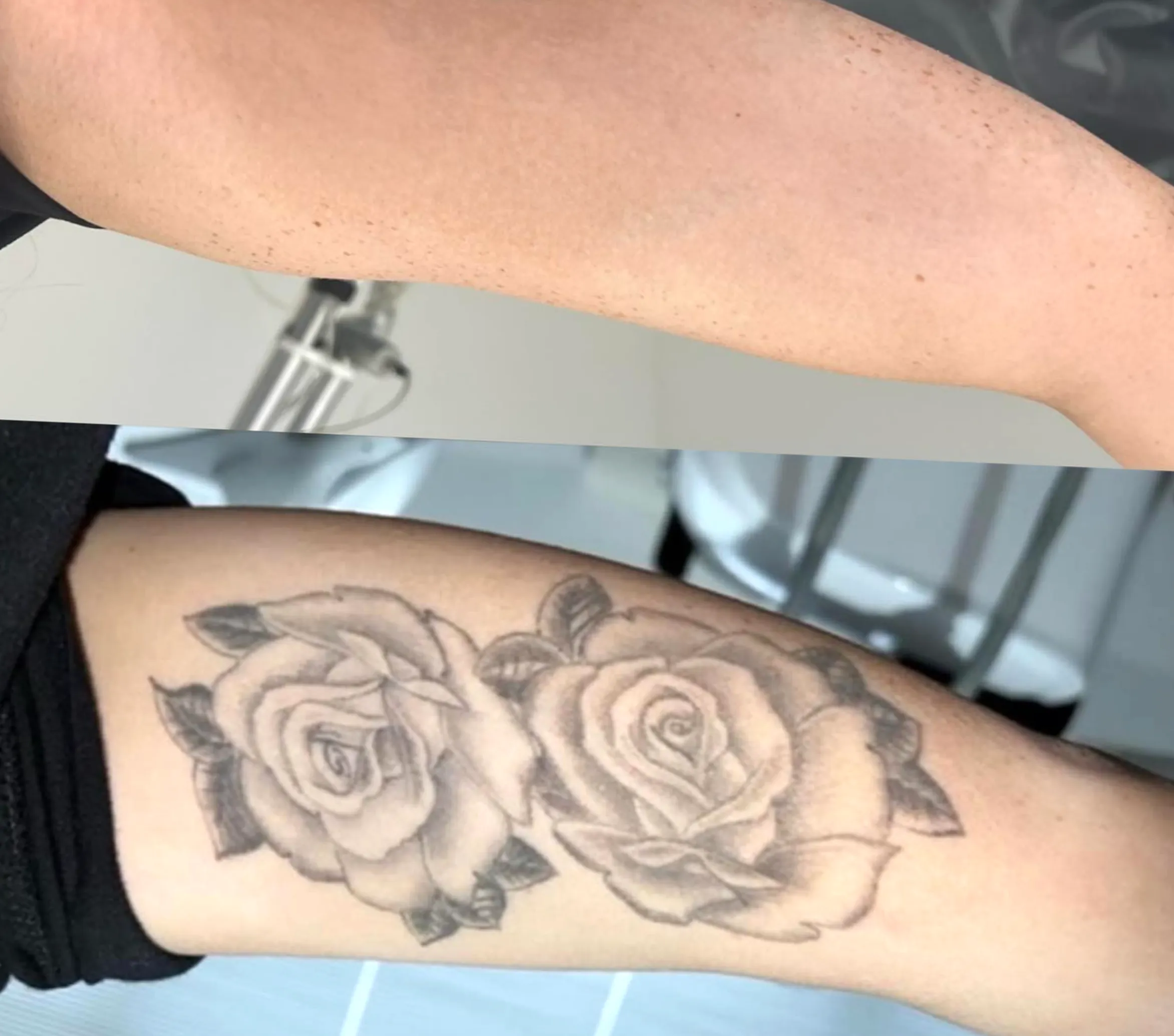
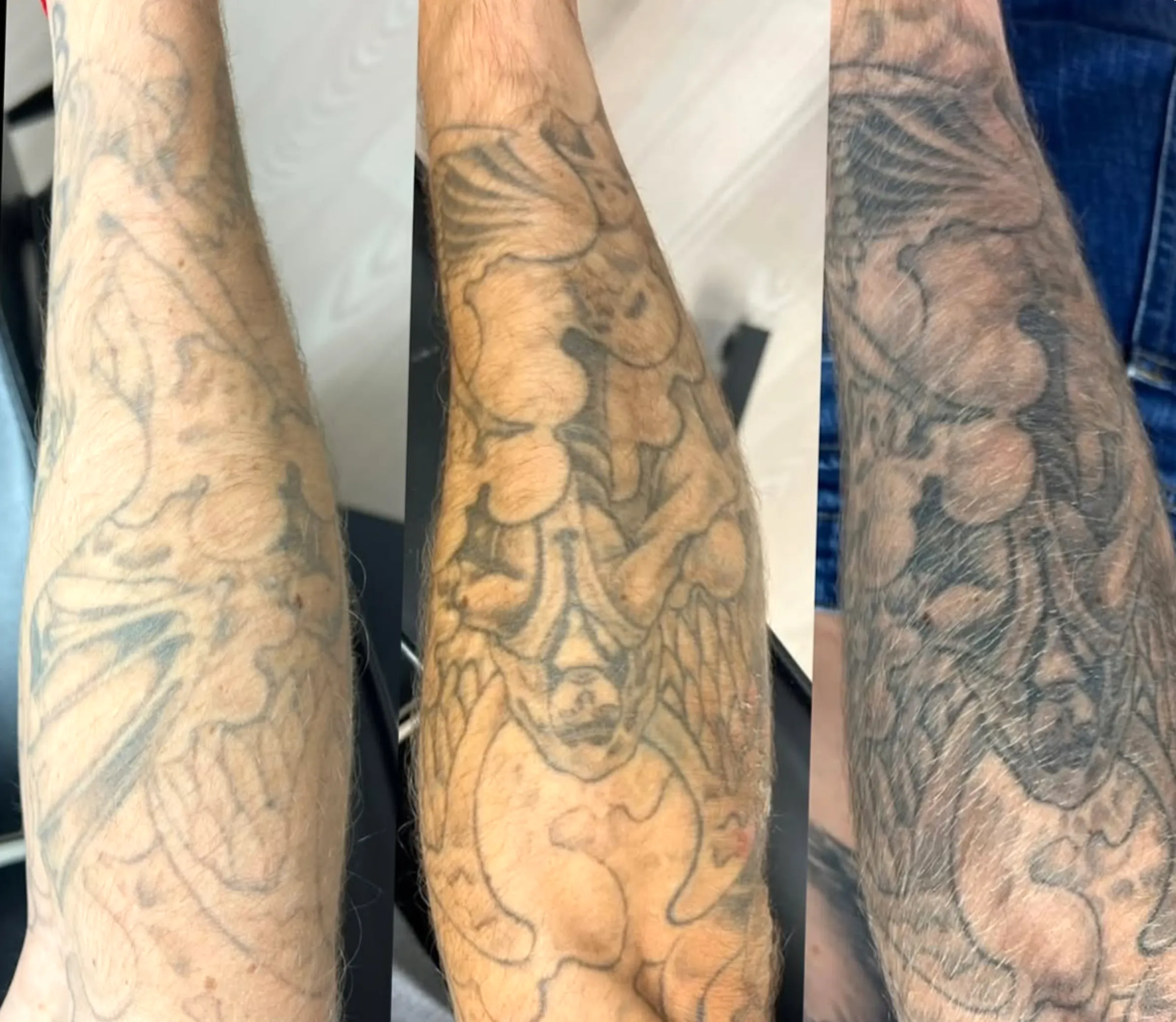
- Before-and-after analysis
Plenty of artists come to us after finishing a cosmetic tattoo course and wanting to expand into removals, but they’re surprised to learn that laser qualifications require a completely separate skill set.
5. Trainers Refuse To Connect You With Past Students
Good providers are proud of their certified artists.
Bad providers block communication.
What Brisbane Students Often Miss
Queensland has some unique challenges — and you should know them before enrolling.
1. Humidity Affects Skin Healing
Brisbane’s climate affects:
- Tissue healing
- Lymphatic system response
- Irritation after laser treatments
Higher humidity = heightened risk of friction irritation and slower drying, meaning students must adjust treatment protocols.
2. Council Requirements Are Strict
Most Brisbane councils require:
- Infection control standards
- Proof of reputable clinic training
- Hygiene standards
- Medical histories training
- Proof of an approved laser practitioner qualification
Courses that claim “council won’t check” are lying.
3. Insurers Want Proof Of Practical Competency
Most insurers in QLD require:
- Proof of hands-on use of medical-grade equipment
- Experience with tattoo removal equipment
- Understanding of skin types and pigment science
We see a similar pattern with students who’ve taken cosmetic tattoo courses — great foundation, but not enough to handle laser safety standards, infection control, or client risk management for removals.
Comparison Table: Certified vs Uncertified Courses
| Feature | Certified Course | Uncertified Course |
|---|---|---|
| Australian laser safety standards | Yes | No |
| Qualified laser practitioner trainers | Yes | Usually no |
| Medical-grade lasers | Yes | Demo or cheap devices |
| Skin anatomy & skin types | Comprehensive | Minimal |
| Picosecond pulses training | Yes | Rare |
| Case studies | Required | Uncommon |
| Infection control standards | Included | Often missing |
| Treatment protocols | Evidence-based | Generic |
| Safety protocols | Strict | Unclear |
| Client assessment skills | Strong | Weak |
| Insurance acceptance | Guaranteed | Often rejected |
Survey data across the 2025–2026 period shows that over 40% of new laser students discovered their first certificate was not accepted by insurers or councils, mostly due to online-only or non-compliant providers.
Proper Checks Before Enrolling
This is the part most students skip — but it’s the part that saves you thousands.
Step 1: Research The Trainer
Look for evidence of:
- Laser safety training
- Clinician qualifications
- Years performing cosmetic laser treatments
- Facility safety protocols
- Real client reviews
If they don’t perform tattoo removal treatments themselves? They shouldn’t teach them.
Step 2: Verify Through Your Local Council
Ask:
“Does this provider meet Australian laser safety standards?”
“Do they cover required hygiene standards and infection control standards?”
Councils give completely unbiased answers.
Step 3: Contact Your Insurer
Ask if they recognise:
- The training organisation
- Equipment trained on
- Medical histories curriculum
If the answer is “no,” the course is worthless.
Step 4: Inspect The Clinic
A reputable training environment includes:
- Medical-grade lasers
- Appropriate laser device eyewear
- Safe laser treatment room design
- Treatment protocols displayed
- Manufacturer training certificates
- Compliant hygiene standards
Never train in a temporary setup or hotel room.
Real Stories From Our Studio
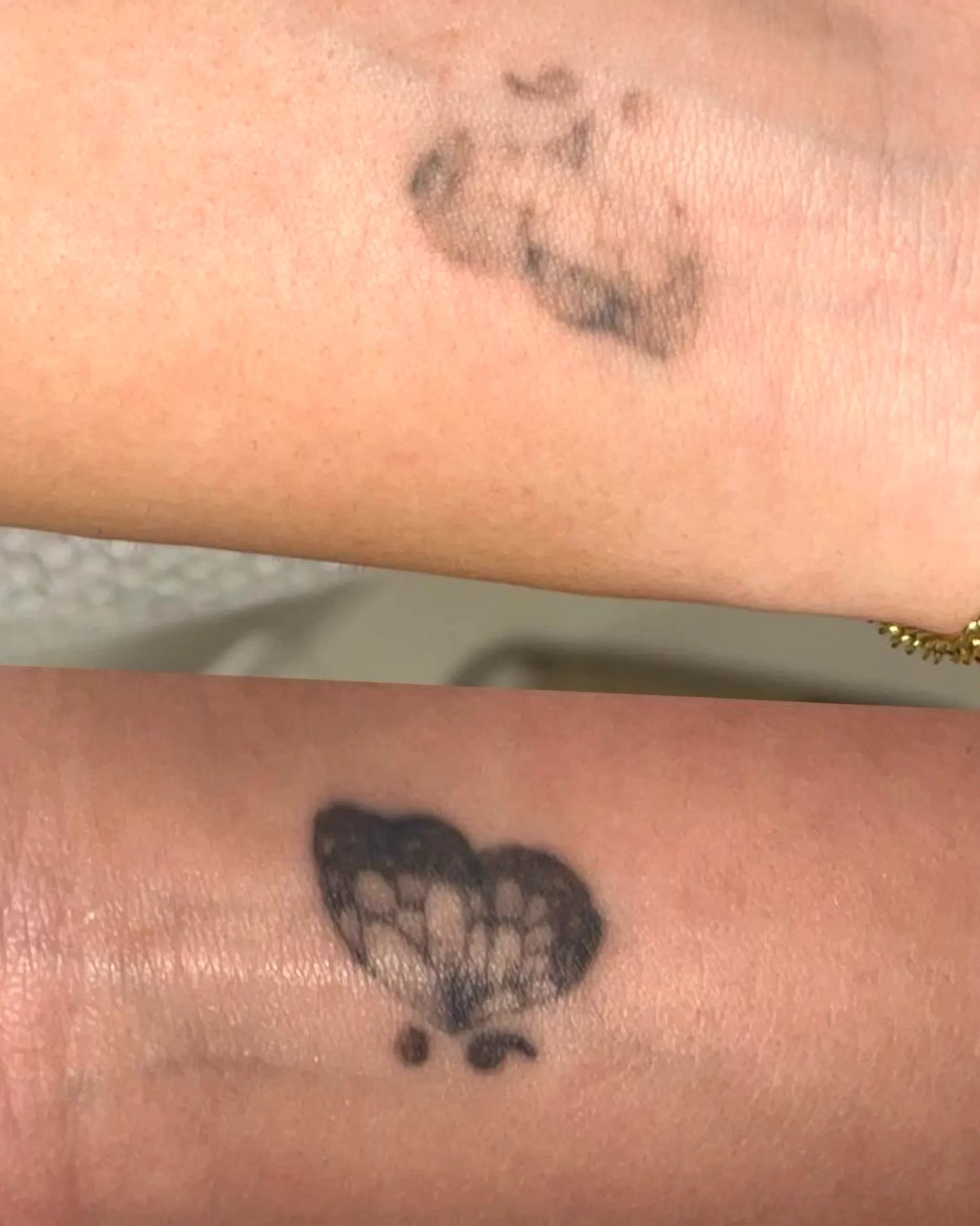
Weve seen loads of students turn up on our doorstep after using dodgy tattoo removal equipment on themselves and ended up with ink all over the place – because they just didn’t get the science behind it, or how the pulsed laser stuff works at a molecular level.
And another student came to us after her previous course hadn’t even taught her what to look out for in terms of infection – not a clue about what lymph nodes, skin or tissue are supposed to do post treatment.
Its not just the usual “newbie mistake” stuff – it’s a clear sign that the training she had was a bit rubbish.
Final Thoughts
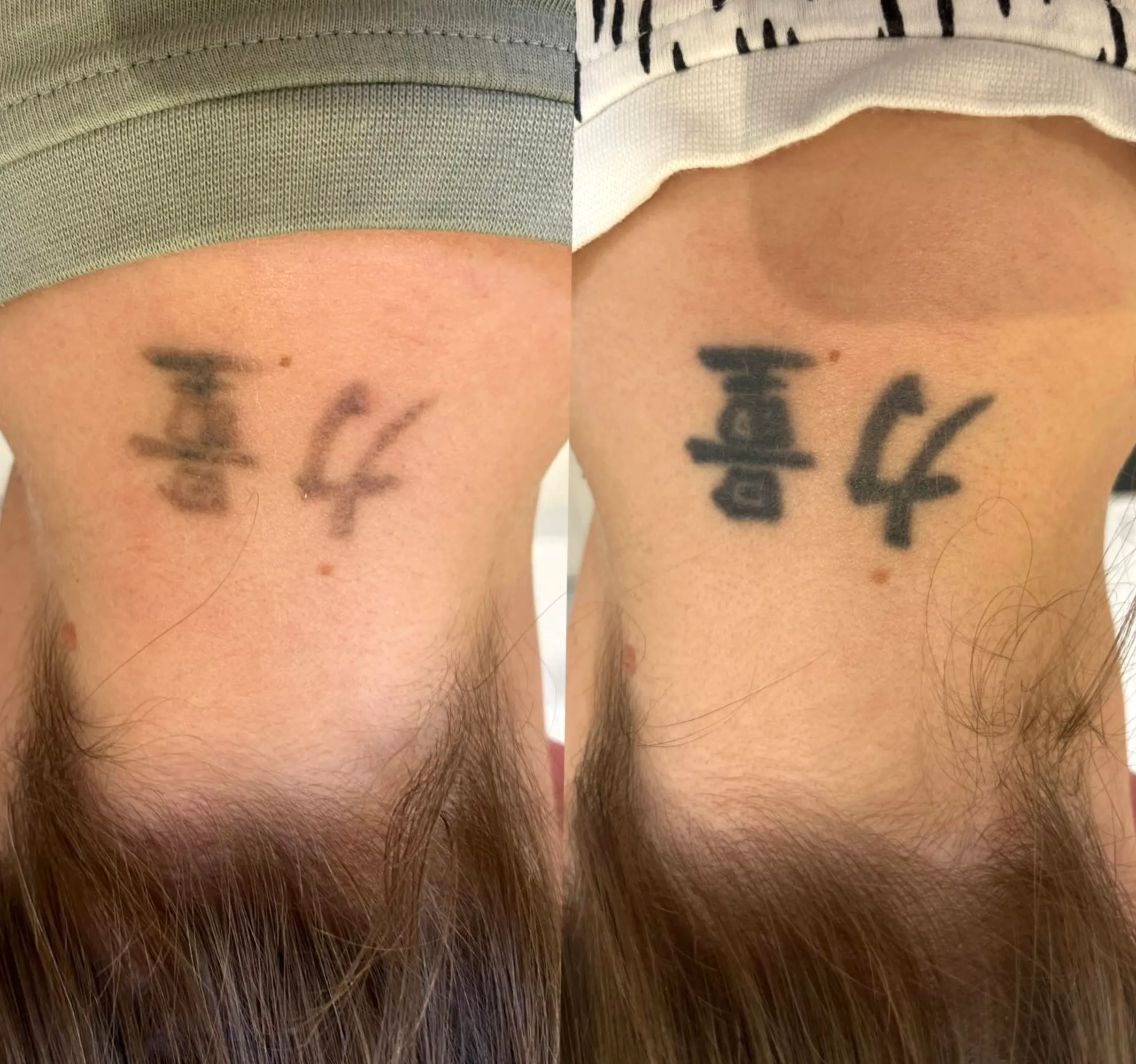
Getting the right training and choosing a reputable course will save you, your clients and your future career from a whole world of trouble. Ask the hard questions, make sure they’ve got their safety act together, and pick a clinic that’s not just trying to cut corners.
We see this all the time with students from courses that don’t even get recognised anywhere – and theyre crying out for help.
If youve had a dodgy tattoo removal course and are not sure what to do next, we’re here for you.
Frequently Asked Questions
How do I check if a tattoo removal course is certified and worth my time?
Simple – ask the trainer to show you the paperwork and then check it out with your insurer and local council to make sure it’s up to standard.
Do I need to get hands-on training for laser tattoo removal?
Absolutely – nothing beats getting some supervised experience with actual lasers, real skin types and real case studies.
What qualifications does a good trainer need to have?
Look for someone with a Laser Safety Officer Certificate at the very least – preferably a clinician qualification or two, and some experience under their belt.
Why is infection control so important with laser tattoo removal anyway?
Because when you use a laser to break down ink, you want to make sure you’rent introducing any other nasties to the lymphatic system – it just makes sense to keep things clean.
Can you even use a laser device after a dodgy course?
Honestly, no – most insurers and councils won’t touch you if you’ve only done some slapdash course, and nobody with any sense would hire you to use a laser.