

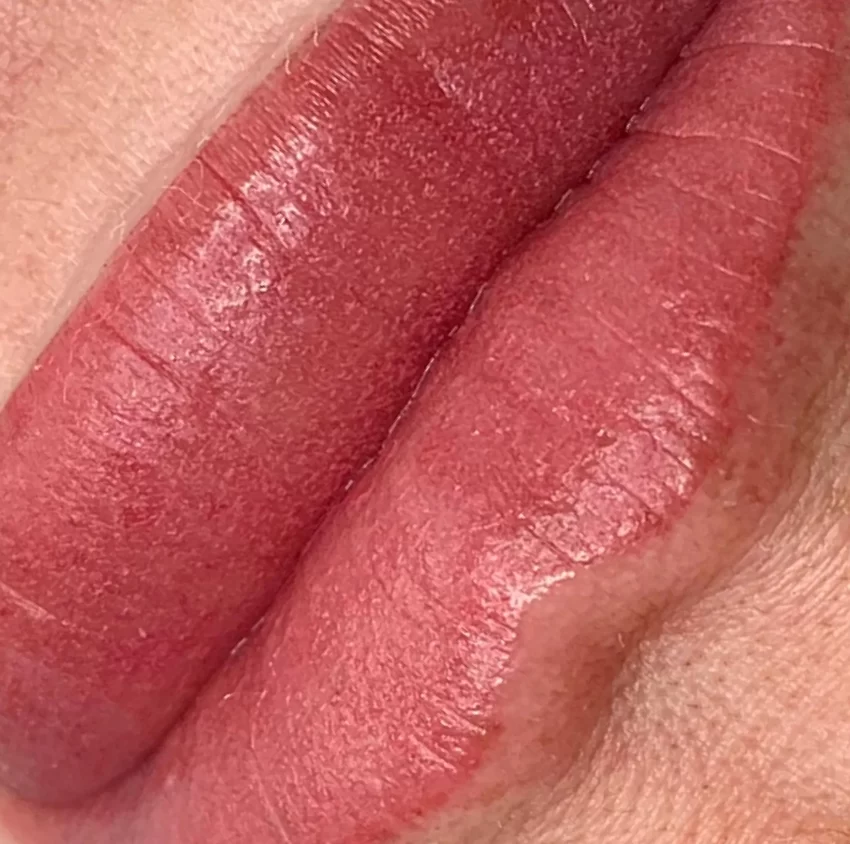
So, what to put on your lips after tattooing? We get asked this all the time in the studio and for good reason. You’ve just had your lip tattooing session — maybe a full Lip Blush Tattoo, a semi-permanent makeup enhancement or a lip neutralisation to correct dark undertones. Whatever it is, your pout is now freshly pigmented and a little raw. Now comes the part no one talks about enough: what to actually put on your lips during the healing process.
Getting the pigment in is only half the story. What you apply over the next 7-10 days can make or break your colour retention, comfort and healing stages. From healing balms to antiviral medication (and what not to slap on), this guide breaks it all down like your favourite no-BS cosmetic tattoo artist would.
Contents
- 1 Why lip tattoo aftercare products matter
- 2 Best healing balms to soothe and protect
- 3 What about Vaseline or pawpaw ointment?
- 4 When and how often to apply
- 5 Cold sore prevention for HSV-prone clients
- 6 Ingredients to avoid after a lip tattoo
- 7 Melbourne weather and lip healing
- 8 Real salon advice: What we see with clients
- 9 Healing timeline (what to expect)
- 10 Final thoughts and aftercare confidence
- 11 FAQ
Why lip tattoo aftercare products matter
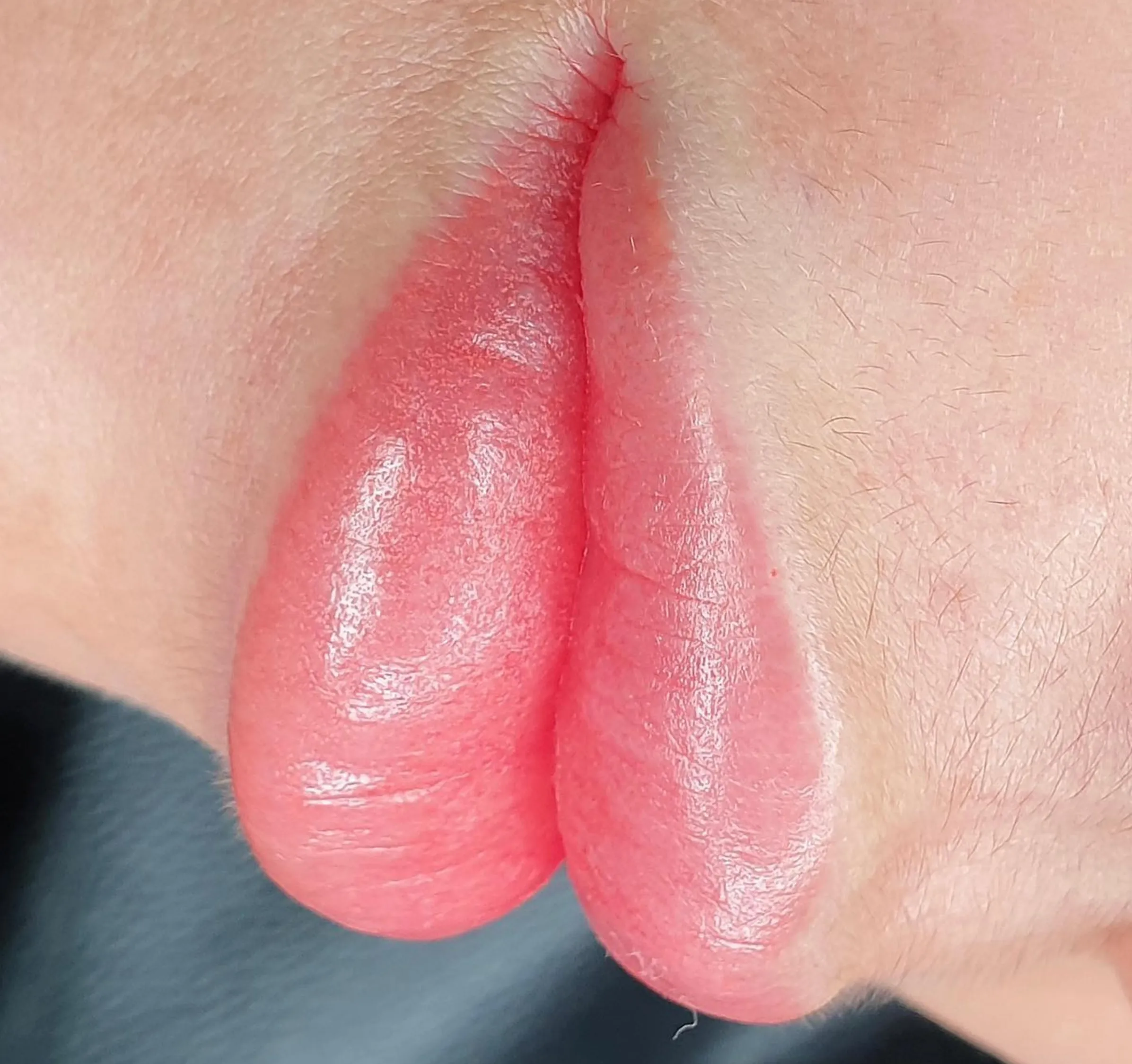
Your lips are more sensitive than you think. The skin of the lip has no oil glands, which means it can’t self-lubricate like the rest of your skin. That’s why using the right aftercare balm or ointment is absolutely non-negotiable.
Here’s why it counts:
- Barrier repair: Lip tissue is thin and prone to trauma. A breathable Healing Balm supports repair.
- Colour retention: The wrong product or routine can cause pigment loss or uneven colour stabilisation.
- Infection prevention: A clean, sealed lip heals faster and reduces risk of fever blisters or Cold sores.
- Comfort: The right lip balm soothes flakiness, dryness and scabbing.
Whether you’ve opted for a classic lip tattoo cosmetic enhancement or a colour-correcting lip neutralisation, what you apply during the aftercare window matters more than most people realise.
Best healing balms to soothe and protect
For lip blush tattooing aftercare, your product should be fragrance-free, non-petroleum based (unless instructed), and designed to soothe healing wounds.
Here are some of my go-tos in the studio post-tattooing procedure:
| Product | Key Features | When to Use |
|---|---|---|
| Bepanthen Tattoo Ointment | Gentle, breathable, fragrance-free aftercare ointment | First 3–4 days |
| Hustle Butter Deluxe | Vegan, natural, shea-based tattoo balm | Mid-healing phase (after day 4) |
| Tattoo Goo | Balm with natural waxes and healing herbs | When scabbing starts |
| Dermal Therapy Lip Balm | Clinical-grade moisturiser | After the peeling phase |
Tip:
Avoid anything with menthol, peppermint or exfoliating products. If it tingles, it’s too harsh.
What about Vaseline or pawpaw ointment?
Vaseline gets thrown around as a lip fix-all, but it’s not ideal straight after permanent makeup. Petroleum jelly can trap bacteria and moisture, creating a barrier that’s too occlusive during those critical early healing stages.
Same goes for pawpaw ointments like Lucas’ — most contain fermented fruit and petroleum jelly, which can cause an allergic reaction or delay pigment implantation.
That said, some artists recommend a thin layer of petroleum-based balm later in the tattooing process — usually after the wound has sealed. Always follow your cosmetic lip tattooing artist’s aftercare instructions based on your skin type and pigment selection.
Proper lip tattoo aftercare is often the difference between crisp colour retention and patchy fading — so don’t cut corners here.
When and how often to apply
Think of your aftercare balm like SPF: it needs reapplying.
- Day 1–2: Apply your aftercare ointment with clean fingers or a cotton bud every 2–3 hours. Don’t let your lips dry out.
- Day 3–5: Switch to a lighter lip balm. Apply morning, midday and night.
- Day 6–10: Let scabs fall naturally. Still moisturise, but reduce frequency.
Never pick, peel or scrub your lips. It’s not worth the colour loss.
If you’re unsure how your lip tattooing is healing, send your artist a clear photo in good lighting — it’s better to check than guess.
Cold sore prevention for HSV-prone clients
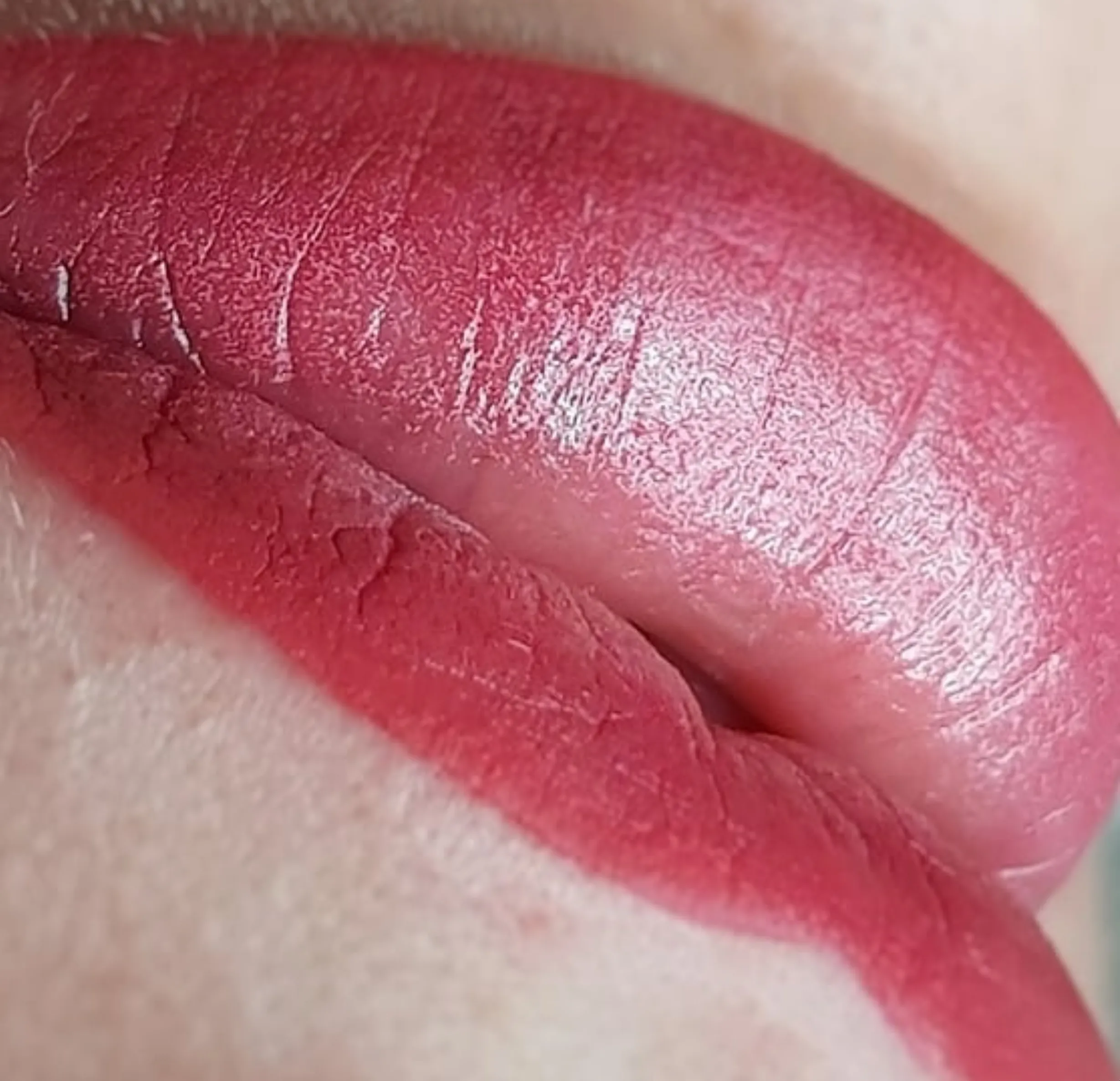
If you’re prone to Cold sores (or have ever had one), cosmetic tattooing on the lips can trigger a flare-up. It’s not uncommon, especially after the trauma of a tattooing procedure.
Here’s what works:
- L-lysine supplements: Start a week before your permanent make up treatment. See our Lysine Table for dosage.
- Antiviral medication: Acyclovir or valaciclovir can be prescribed as a preventative.
- Cold sore creams: Only use if prescribed after the tattooing process. Not for broken skin.
The Herpes Virus (HSV-1) can be dormant for years — and tattooing can bring it to the surface.
Ingredients to avoid after a lip tattoo
Avoid these until you’re fully healed:
- Petroleum jelly (unless instructed)
- Menthol or peppermint oils
- Fragrance or flavourings
- Alpha hydroxy acids (AHAs), glycolic acid
- Retinol or vitamin A
- Salicylic acid
- Alcohol-based products
- Blood thinning vitamins (consult your doctor pre-treatment)
These will burn, irritate, fade pigment and cause keloid scarring — not what you want on your new lip tattooing.
Melbourne weather and lip healing
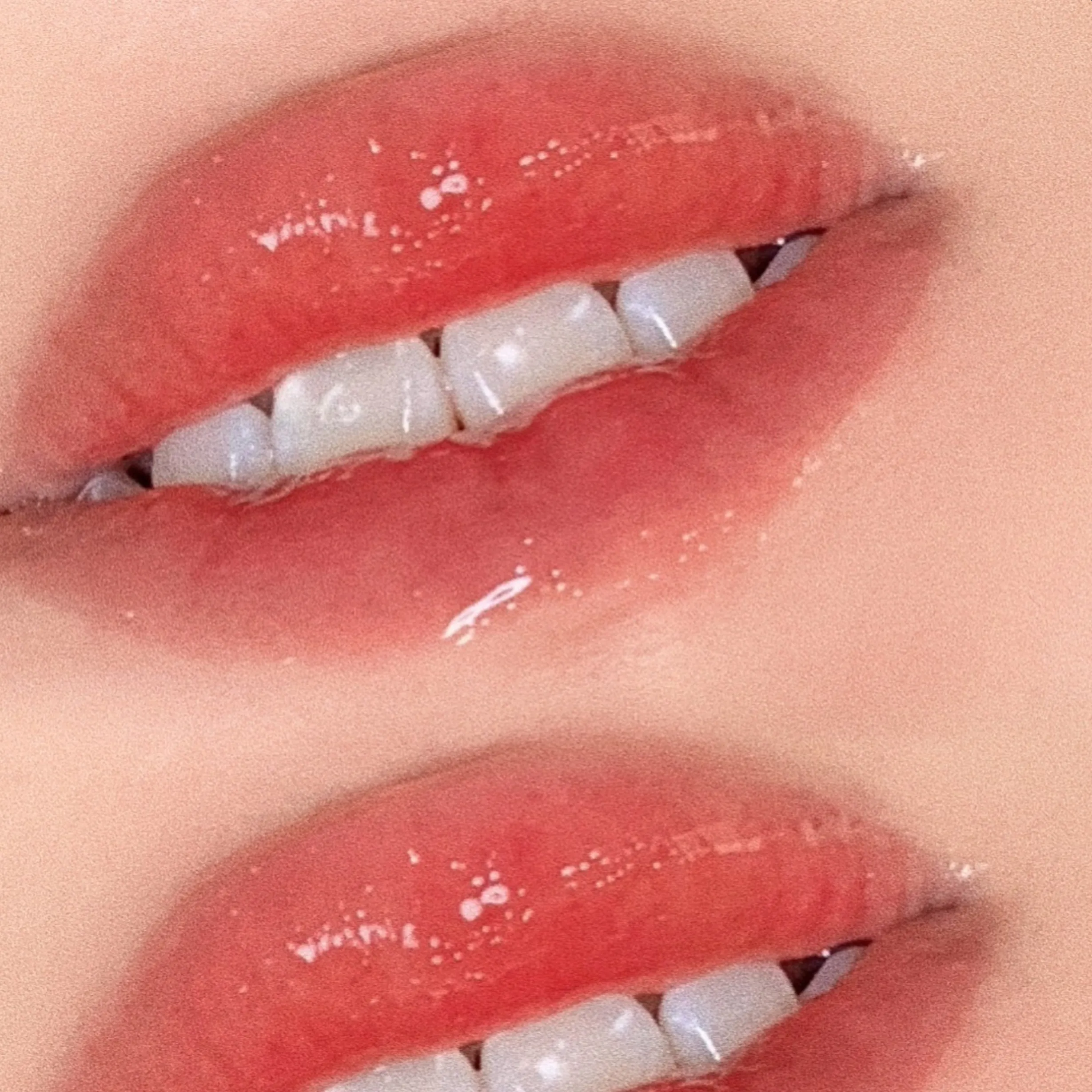
Let’s not forget: Melbourne weather swings harder than a TikTok trend. Dry winter air and blasting heating can crack freshly tattooed lips. On the other hand, humid summer days and sun tanning can harbour bacteria and disrupt pigment implantation.
Whether it’s 40 degrees in January or windy and dry in July, the healing process after lip tattooing needs to be adjusted to suit local conditions.
Your best bet?
- In winter: Use a humidifier at night, layer a healing balm, and avoid hot drinks.
- In summer: Blot sweat, skip heavy makeup, avoid Sun exposure, and don’t touch your lips.
Real salon advice: What we see with clients
At Cosmetic Tattoo Studio Face Figurati in Melbourne, we’ve seen it all — from flawless lip blush results to healing disasters caused by DIY aftercare hacks. When we correct poorly healed lip tattoos in the studio, 90% of the time it comes down to aftercare missteps.
We’ve seen:
- Clients using lipstick during the peeling phase (a big no)
- People exfoliating with sugar scrubs thinking it helps
- Cold sores from skipping antiviral medication
- Overuse of numbing cream post-treatment (unnecessary)
- Heavy Vaseline sealing in moisture and causing pigment lift
Every week we meet someone frustrated by faded pigment or uneven tone, often caused by skipping basic lip tattoo aftercare advice.
With the right Healing Balm, clean hands, and realistic expectations, your lip blush tattoo will heal beautifully.
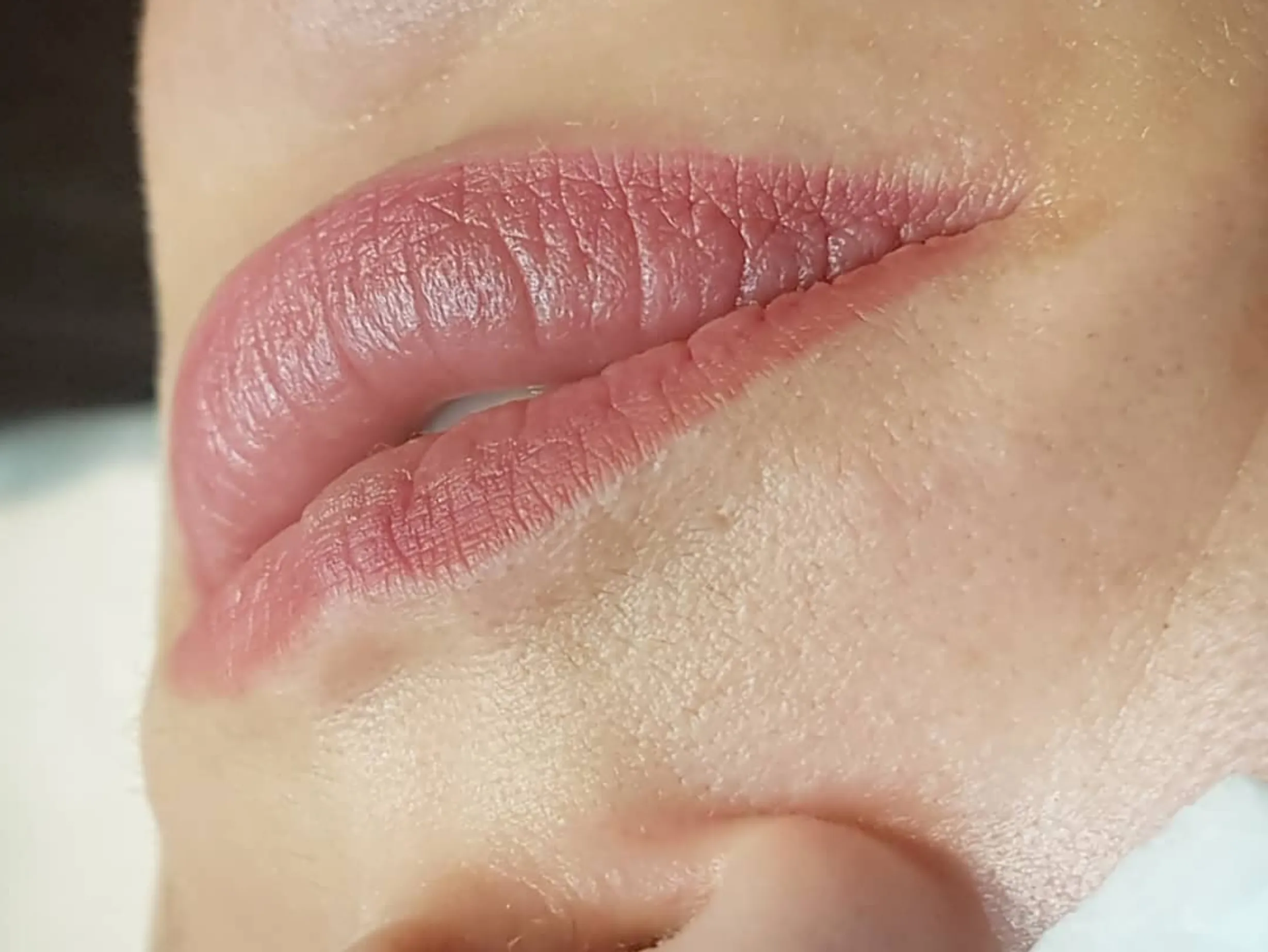
Healing timeline (what to expect)
| Day | What’s Happening | What to Do |
|---|---|---|
| 1–2 | Swelling, tenderness, pigment oozing | Gently blot with tissue, apply aftercare ointment or balm |
| 3–5 | Scabbing and peeling begin | Don’t pick, apply balm, avoid spicy food and hot drinks |
| 6–10 | Flaking ends, colour looks light | Keep hydrated, use lip balm, and avoid sun tanning |
| 11+ | Colour resurfaces, stabilisation starts | Avoid chemical peels, laser treatments, lipsticks, and lip pencils |
Final thoughts and aftercare confidence
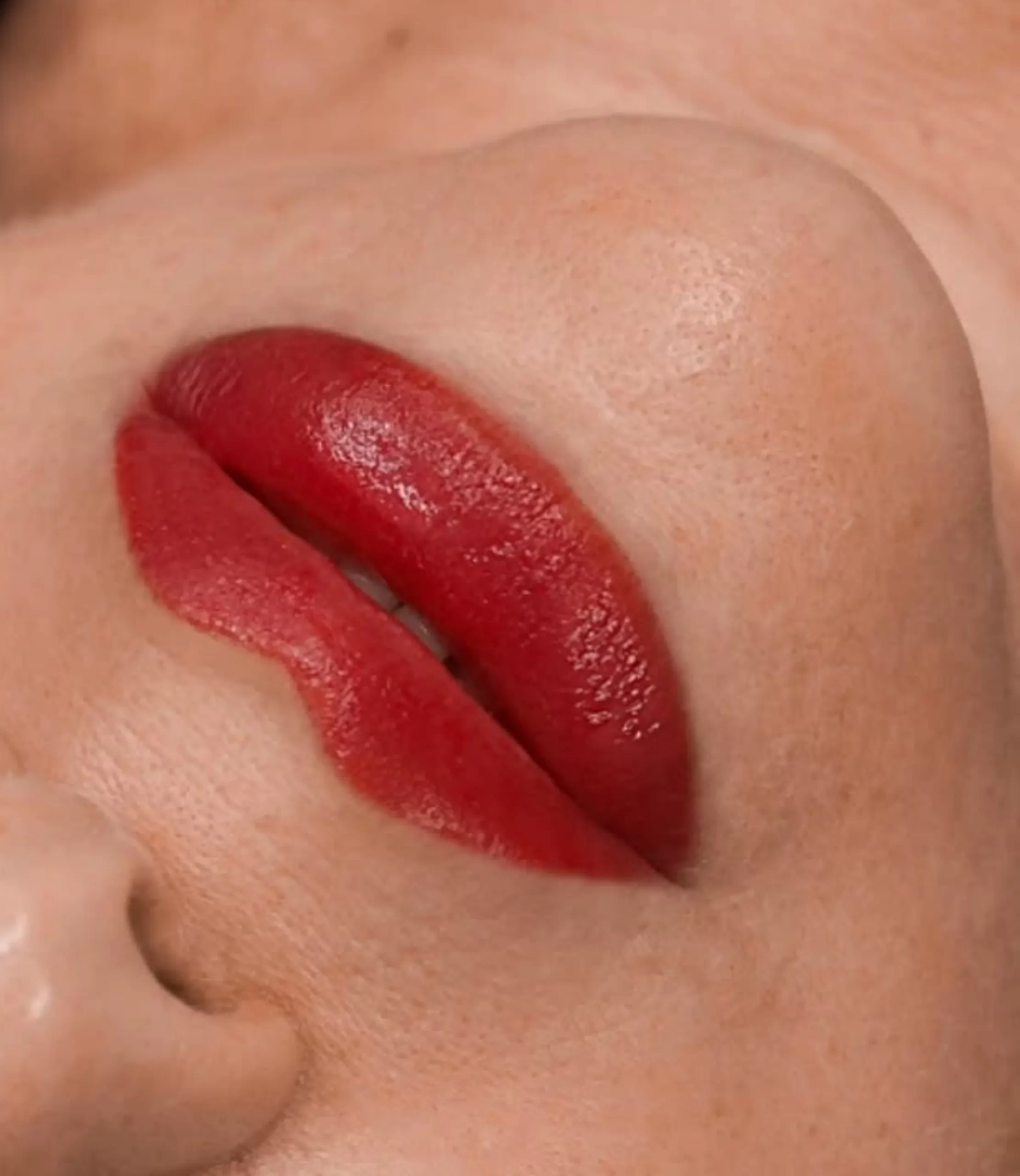
Your lip tattooing doesn’t end when you walk out of the salon — what you put on your lips after tattooing affects everything from colour retention to cold sore outbreaks.
The tattooing process is delicate. Treat your lip tissue like the healing skin it is. No shortcuts. No guessing.
Lip tattoo cosmetic treatments are a great option for enhancing natural lip colour, but the true results depend just as much on the days that follow the appointment.
If you’re unsure about which aftercare balm is best for your skin type or whether your lip fillers affect healing, ask your cosmetic tattooist. We consider everything — Fitzpatrick Scale, natural pigment, colour selection, even omega oils in your supplements.
Want your colour boost to last and your lip border to stay crisp? Follow the aftercare like your results depend on it — because they do.
FAQ
Can I use Vaseline after a lip tattoo?
Only if your cosmetic tattoo artist recommends it. Generally, petroleum jelly is too heavy in the early healing stages but may be okay during colour stabilisation.
What’s the best balm for healing?
A clean, fragrance-free tattoo balm like Bepanthen Tattoo or Hustle Butter Deluxe. Steer clear of anything with alcohol or flavourings.
How often should I apply balm?
First 48 hours? Every 2–3 hours. Gradually taper off through the healing stages until the pigment settles.
What triggers cold sores after lip tattooing?
The tattooing process can reactivate the Herpes Simplex Virus (HSV-1). Take L-lysine and antiviral medication if prescribed to reduce the chance of fever blisters.
Can I wear lipstick while healing?
Nope. Avoid all makeup — lip sticks, gloss, lip pencils — until the lip colour has stabilised (roughly 10–14 days post-treatment).