

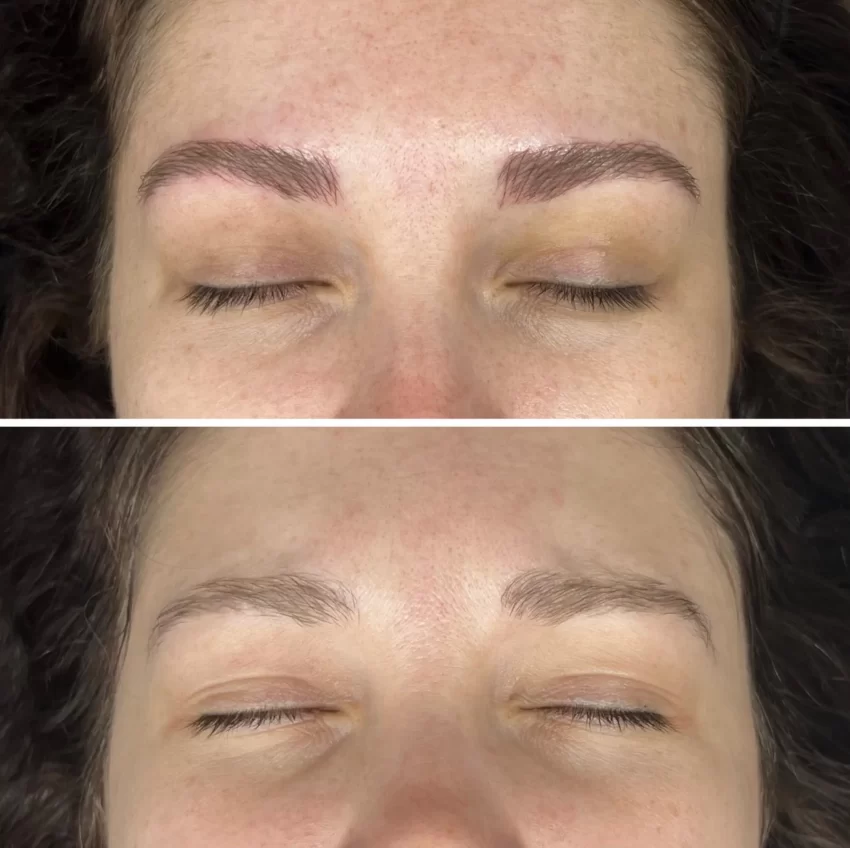
Let’s get into it. Whether you’re getting your first brow tattoo or trying to explain to your mum why a lip tint isn’t “just a lipstick”, understanding how a cosmetic tattoo differs from a regular tattoo will help you make better decisions for your skin, face and future touch-ups.
I’ve been a cosmetic tattoo artist in Australia for over 10 years and I’ve seen all sorts come through the studio doors. Clients who thought they were getting permanent eyeliner and ended up with a faded line in 6 months. Others who had traditional tattoos on their brows from the 90s and came to me desperate for a fix. This guide is for you. Honest, grounded and packed with the facts most people gloss over.
At Cosmetic Tattoo Brisbane Studio Face Figurati we educate every client on what a cosmetic tattoo truly involves, including how it differs from body ink done with traditional tattooing techniques. Whether you’re a client or a budding artist looking at cosmetic tattoo course, knowledge is key.
So what’s the real difference between cosmetic tattooing and regular tattooing? Let’s get into it.
Contents
Ink Reality Check
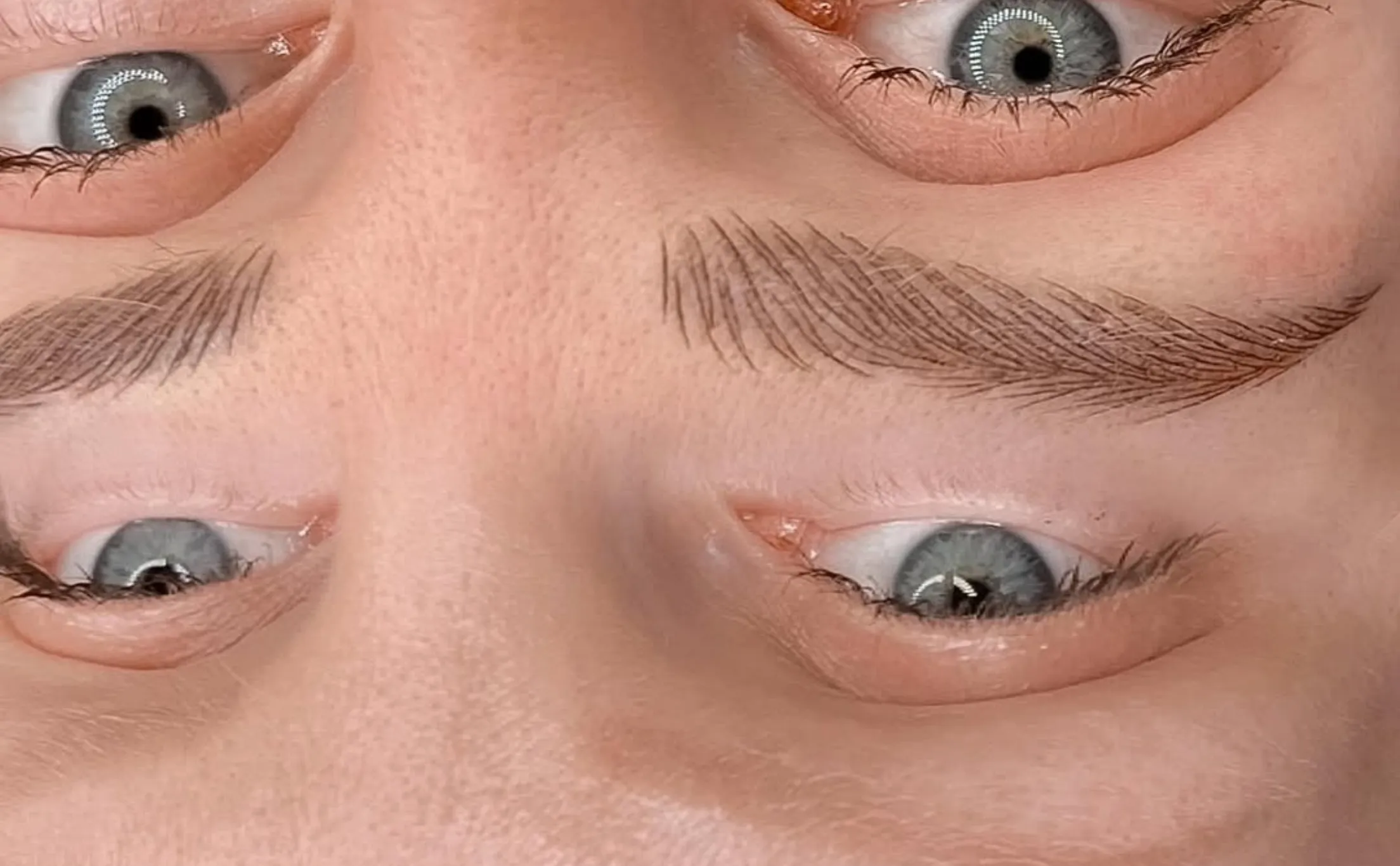
A cosmetic tattoo, often called semi-permanent makeup or micropigmentation, is designed to subtly enhance features like brows, lips and eyes. A regular tattoo (a.k.a. body art) is usually bold, expressive and meant to last a lifetime.
Here are the main differences:
| Feature | Cosmetic Tattoo | Regular Tattoo |
|---|---|---|
| Purpose | Enhance natural features | Artistic expression or body art |
| Pigment type | Iron oxide or organic pigments | Carbon-based, highly concentrated inks |
| Depth of application | Upper dermis (shallower) | Lower dermis (deeper layer) |
| Longevity | 1–3 years (with fading) | Permanent (though it may fade slightly) |
| Tools used | Cosmetic tattoo machine or hand tool | Coil or rotary tattoo machine |
| Pain level | Typically milder with numbing | Often more intense |
| Healing time | 5–10 days with light flaking | 2–3 weeks, may scab or swell |
These differences come down to the type of tattoo, the way of tattooing, the style of tattooing and the level of permanence.
Pigment

Pigments used in cosmetic tattoos are formulated for the face. They are designed to fade naturally as your skin exfoliates over time. This makes corrections easier and the look more ageless.
- Cosmetic tattoo pigments: Made with iron oxides or organic pigments which are metabolised by the body over time. Come in a wide range of colours to suit skin tones and undertones.
- Regular tattoo inks: Contain carbon black or vibrant colours made with chemical-based pigments designed to be permanent.
This composition of tattoos affects the colour retention, fading and any risk of colour transition or colour migration over time.
Layer of Application
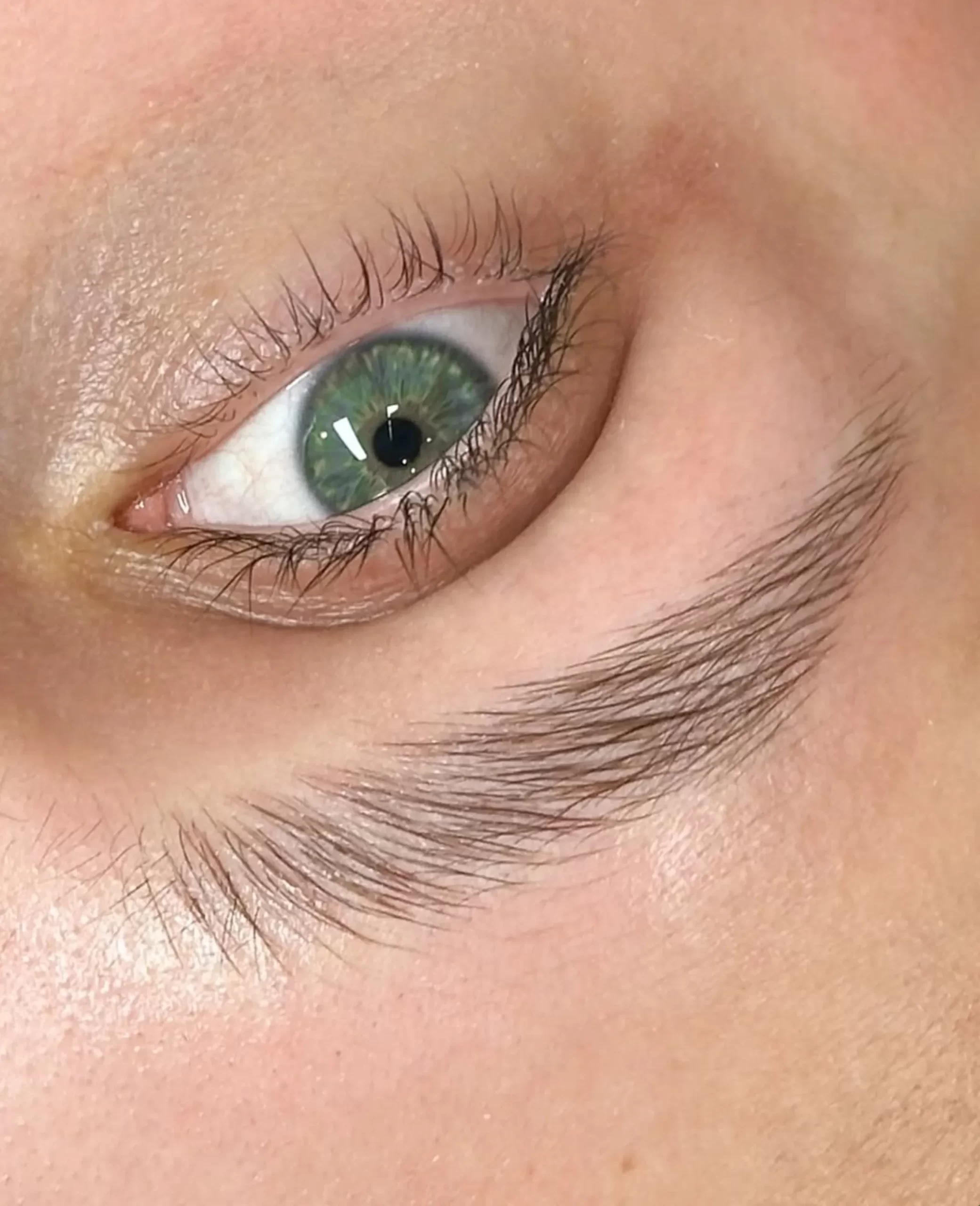
One of the main differences between cosmetic tattooing and traditional tattooing is how deeply the pigment goes.
- Cosmetic tattoos: Placed in the upper dermal layer which sits just under the epidermis. This allows the pigment to fade with natural skin cell turnover.
- Traditional tattoos: Deposited into the lower dermis making them far more permanent and prone to blurring over time.
This difference in layer of skin affects the healing process, colour stability and need for touch-ups.
Healing, Touch-Ups and Maintenance
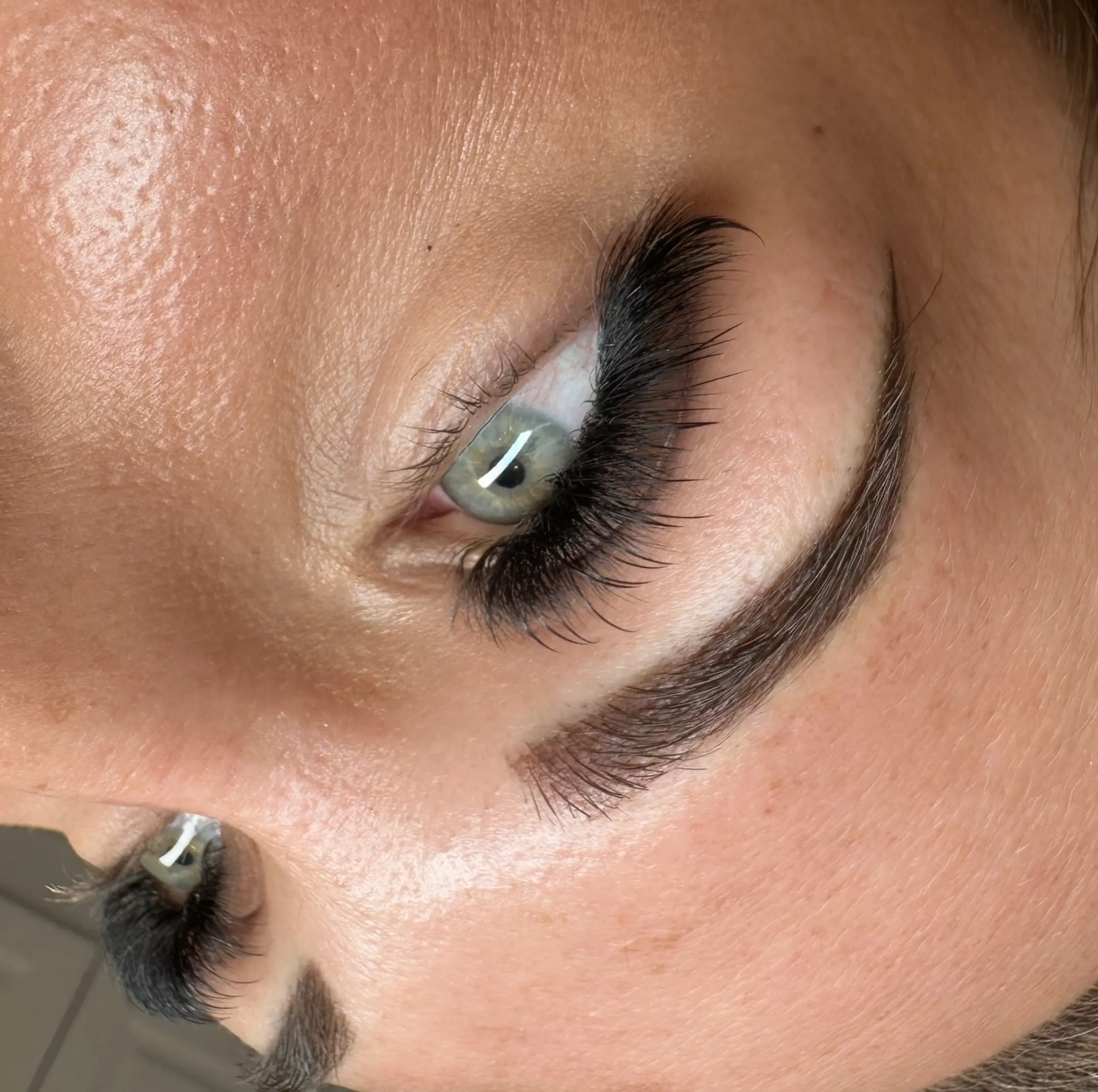
Cosmetic tattoos are designed to fade. That’s not a flaw – it’s a feature.
- Healing: Expect light flaking around day 3 and full healing in about 10 days. Avoid makeup and heavy skincare around the area. (Crusts after eyebrow tattooing are normal during the crusting process.)
- Longevity: Most cosmetic tattoos last between 12 to 36 months. Touch ups are recommended every year to maintain crispness and colour.
- Touch up culture: Part of the service. Your artist will book a follow up session 6-8 weeks after your first appointment to perfect the shape and saturation.
In contrast:
- Traditional tattoos: Heal with heavier scabbing and more swelling. They may last a lifetime, but that doesn’t mean they won’t blur or fade, especially on areas like hands or ribs.
Machines and Techniques
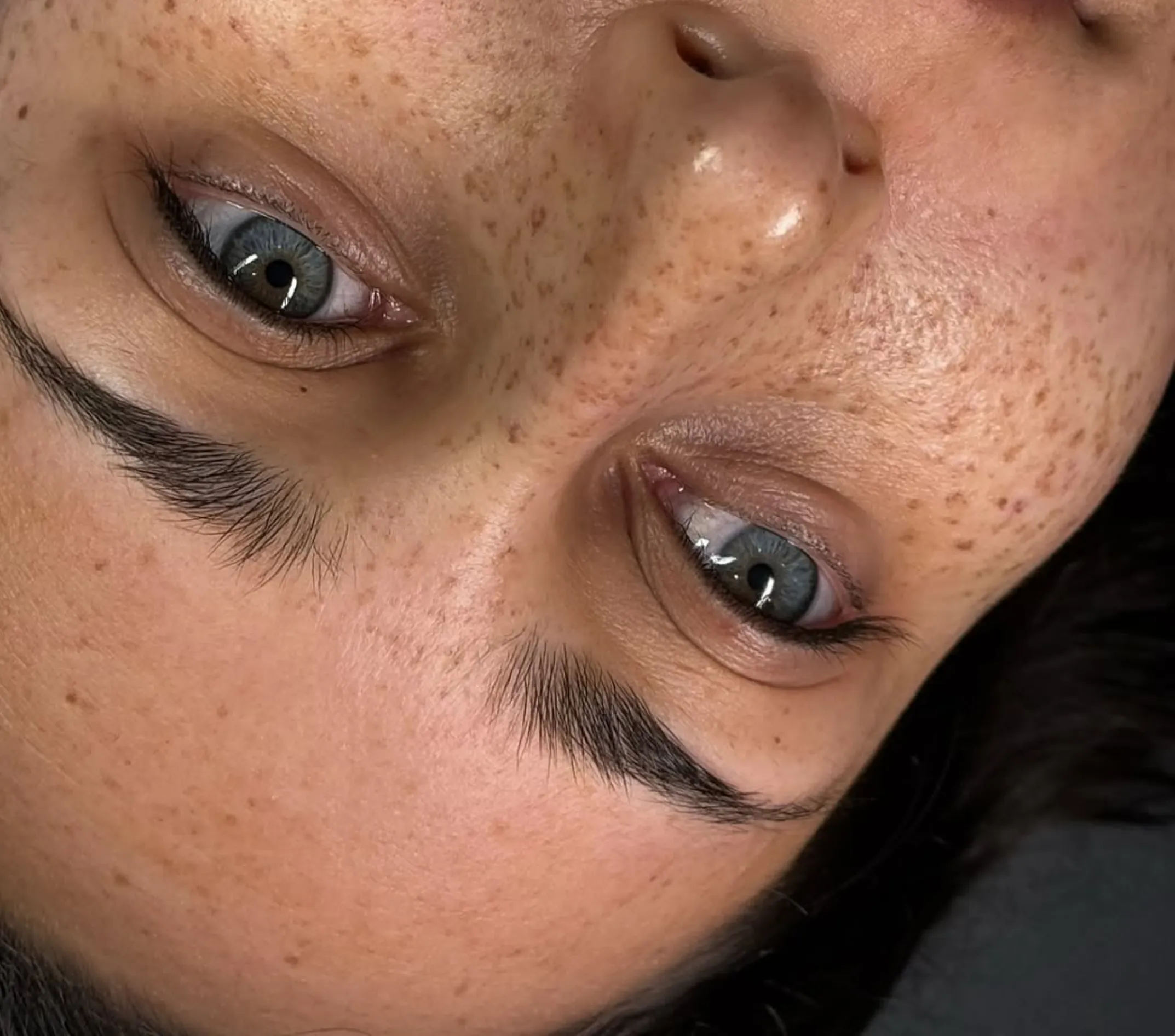
The tools used also differ.
- Cosmetic tattoo machines: Use finer needles and gentler pressure. Some artists use hand tools for techniques like microblading or feathering (though machine shading is taking the lead for better longevity).* Tattoo guns: Traditional tattoo machines (coil or rotary) use more power to go deeper into the skin for bold tattoo designs.
Whatever machine you use, coil or cosmetic, the pigment, tattoo pigment and tools all come into play.
Results You Can Live With (Literally)
You don’t want a dark, harsh brow tattoo haunting you 10 years from now. That’s why semi-permanent makeup is a good thing.
Cosmetic tattooing is all about building a look that suits your features, skin and lifestyle right now, with the flexibility to adjust down the track. Your face changes with time. So should your brows, lips and liner.
Think hair strokes, blush lip technique and soft enhancements that look like natural beauty, not actual makeup.
What About Sensitive Skin or Medical Needs?
Great question — and one I get often.
- Sensitive skin types: Cosmetic tattooing is generally well tolerated, especially with hypoallergenic cosmetic tattoo inks. Always do a patch test.
- Medical conditions: Tattooing may not be suitable for people on blood thinners, with certain skin issues or autoimmune diseases.
- Medical tattooing includes scar revision, areola tattooing and hair loss camouflage.
Your individual skin type can also affect retention, healing and overall results.
Fast Facts
Here’s a quick reference table if you’re skimming:
- Pigments: Cosmetic = iron oxide or organic pigments | Regular = carbon or chemical inks
- Depth: Cosmetic = upper dermis | Regular = deep dermis
- Fade time: Cosmetic = 1–3 years | Regular = decades
- Healing: Cosmetic = 5–10 days light flaking | Regular = 2–3 weeks, scabbing
- Look: Cosmetic = soft, subtle, natural tattoo | Regular = bold, defined, conventional tattoo
What’s Trending in 2025?
According to Australian beauty trend reports, soft, natural hair enhancements are on the rise. The cosmetic tattooing experience is becoming the preferred path for many, with cosmetic tattooing procedures and cosmetic tattooing sessions now available for everything from eyeliner to lip blush.
There’s also renewed interest in body tattooing, including bamboo tattoos and traditional body tattoo styles. But cosmetic techniques like cosmetic eyeliner tattooing and nano brows are still the most popular.
More aspiring artists are enrolling in cosmetic tattoo courses to master the art of facial tattooing. If you’re considering a cosmetic tattoo course, make sure it includes in-depth modules on hygiene, anatomy and colour theory — all essential for great results.
Final Thoughts
Whether you want a flushed tattoo lip tint or you’re a makeup artist or beginner tattoo artist looking to get into permanent makeup, make sure you know the level of skill and hours of practice required to get it right.
Don’t trust a tattoo master, trust a trained cosmetic tattoo artist. Whether it’s your brows, lips or lash line, this is a craft that’s science and art.
And if you’re in Brisbane, come visit Cosmetic Tattoo Brisbane Studio Face Figurati for a consult. We’re all about clean results, informed choices and giving your face some love.
FAQ
Will a cosmetic tattoo disappear completely?
Yes, cosmetic tattoos are designed to fade over time, often completely after a few years if not maintained with touch-ups.
Can I remove a cosmetic tattoo if I change my mind?
In most cases, yes. Laser removal or saline tattoo removal can be used on cosmetic tattoos. Because they sit closer to the surface, removal is often easier than traditional tattoos.
Will the pigment change colour?
Lower quality pigments may shift over time (think red, blue or green brows), but high quality formulations and proper technique reduce this risk.
Can a tattoo artist do a cosmetic tattoo?
Not necessarily. Cosmetic tattooing requires special training, knowledge of facial anatomy, colour theory for skin and hygiene standards for facial work.
Do cosmetic tattoos hurt less than traditional ones?
Generally, yes. Most cosmetic tattoo artists use topical anaesthetics to keep you comfortable throughout the session.