
With Tree Root Blocked Drains Australia 2026 one has a no-nonsense way of going about root intrusion, making the right call on repairs and steering clear of an expensive sewage problem. When tree roots get in the way of your drains it is only a matter of time before you have slow drainage, smells and repeat blockages turning into something of a mess.
The thing to do is put your mind at ease with a CCTV drain inspection to verify the extent of the issue, have the roots taken out and put right any pipe that is cracked or out of place. A simple case of tree root drain removal will set you back a few hundred dollars in Australia, depending on where you are and how easy the access is; relining or excavation of a pipe is another matter altogether and can be in the thousands, as plumbing emergency expenses can add up quickly. I am Simon Redcliffe, of Melbourne, where I make my home in a not entirely straight weatherboard cottage. Between the clay soil and the rest of the upkeep, I have had more dealings with the backyard than I would have thought.
What is behind a root blockage?
Do not think of tree roots as some sort of subterranean action hero putting an end to an otherwise sound sewer pipe. They will find a loose joint, a crack or a seal that has been compromised and make their way to the nutrients and moisture within. The risk is highest with big thirsty trees sited close to old sewer lines. You can have trouble from eucalypts, willows, figs, poplars and the like, but then again a drought or the age of the pipe is of equal import.
Where they get in
It is typically a hairline crack or a joint where the intrusion begins. After getting in, the roots will hold on to grease, toilet paper and so on until you have a blockage on your hands that is as rough as guts to put right. An older concrete, clay or earthenware pipe is vulnerable in this regard since the joints have a habit of shifting with the soil. Even with modern plastic, an opening can be made by ground movement or a botched installation.
Stormwater is not exempt either. If roots have found a damp bedding or a faulty connection there can be ponding and an overflow of the pit, if not a wet lawn, though not in the form of house sewage.
Indications of an invasion
You might put down the early signs to a run of the mill blockage. But if the drain is cleared and for all intents and purposes puts up good behaviour for a bit only to block once more, that is telling. Do not put off taking notice until you have an overflow of sewage. It is a warning when a drain is in the habit of misbehaving, not a quirk of character.
Inside the home
Gurgling from the toilet or a drain, odours of sewage and fixtures that take their time to empty are all common. One can see water in the shower after the washing machine has done its round or hear the bubbling post flush. Should a number of fixtures go slow at once, look to the main line or a shared branch rather than the trap under a sink. A plunger is of little use against roots in the sewer pipes even if it offers some respite.
Outside
There may be an area of the lawn that is unaccountably lush or stays wet after dry spells, or perhaps a sinkhole in the yard. A line that is blocked will push wastewater back towards the property, a damaged one will leak below ground. In Melbourne the clay will work on an old crack with the seasons, whereas in Adelaide a leaking line will show itself as a green patch in the arid conditions. Brisbane’s rain has a way of laying bare any fault in the drainage.
How a plumber will go about it
A proper diagnosis is the best way to avoid being charged for the wrong remedy. The plumber will want to know if the roots are there, the state of the pipe and if it is private or public network. And he will need access. Make sure to put away the pot plants and garden gnome and move any cars from the driveway so the plumber has a clear run from his truck to the drain and not an obstacle course.
Camera work
With a drain camera the internal condition of the pipe is put on record. The video will tell you about any root growth, standing water or a collapsed section and how far it is from the access point. Have the location of the defect put to you in terms you can understand; “it is blocked somewhere in the yard” does not help when you are weighing up whether to replace the pipe or have it cut and relined.
Before you give the go ahead for an excavation a CCTV inspection is worth having. It could be that the roots are confined to a single joint and there is no need to dig up half the garden for a repair.
Boundaries for Inspection and Responsibility
As a rule the property owner is responsible for the private sewer link to the authority’s main, though one would be well advised to check with the water authority or refer to local regulations as the precise line can be dictated by them and the lay of the land. The public sewer main is in the hands of the relevant authority. Before any major work is put in hand, have your plumber or the water provider make the boundary clear. In Victoria there is guidance on repairs and maintenance to be had from Consumer Affairs Victoria.
Root Removal: What Is Effective
One has to look at the pipe condition and how much root has taken hold to determine the right course of action. A healthy pipe will last you some time once the roots are out; but if they are removed from a cracked pipe and left unrepaired it is only a matter of time before you have a repeat customer, and that is not the kind of loyalty to be sought after.
Jetting And Root Cutting
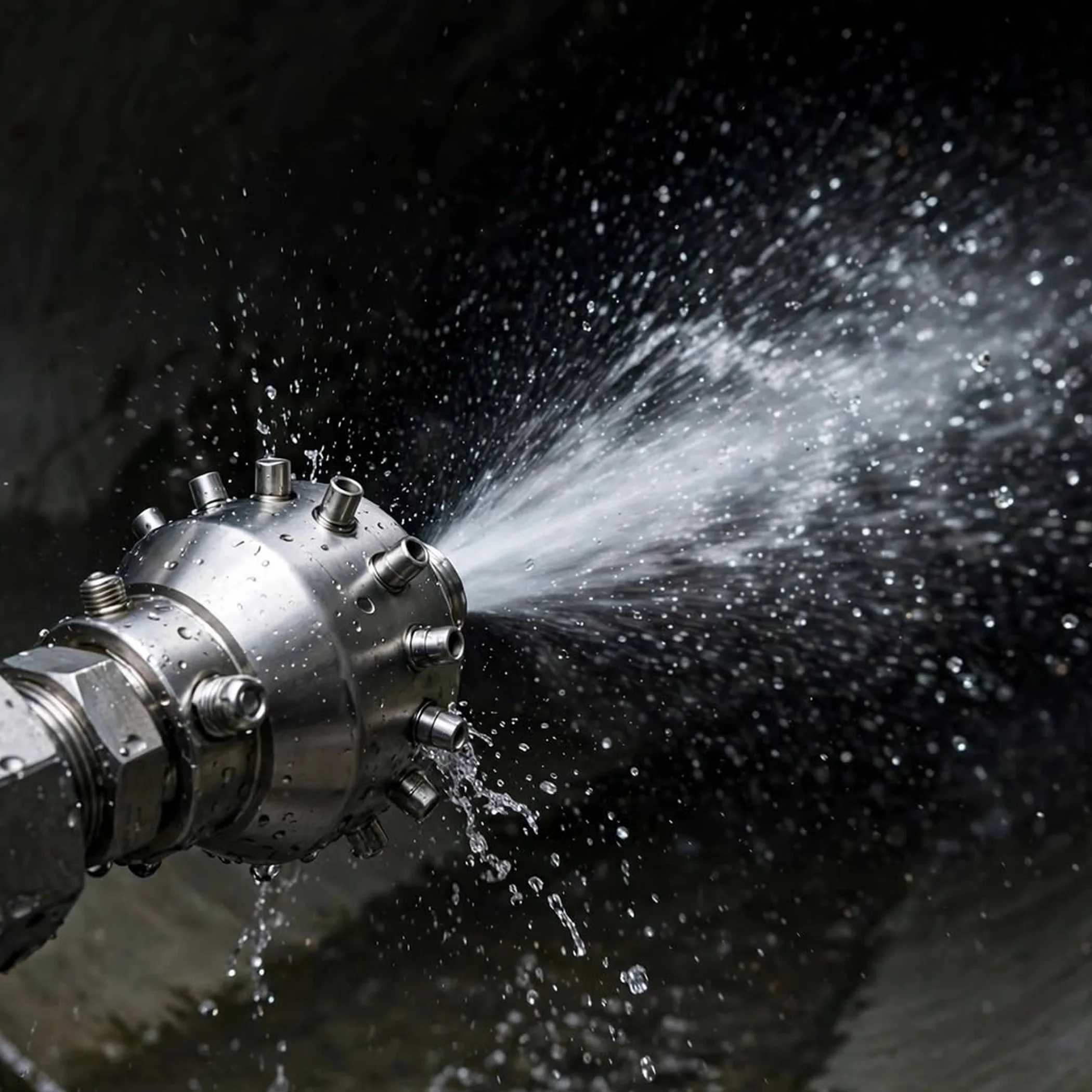
To get a line open in a hurry, say in the midst of a blockage, the plumber will resort to mechanical root cutting with a rotating head. High-pressure water jetting (hydro jetting) is another option to scour the walls and flush away root fragments, silt and grease with pressurised water. One must be circumspect with this on a badly collapsed or fragile pipe.
Neither method is going to put a cracked pipe back together. An obstruction is all that is removed. Put in for a camera check afterwards to see what the result is and if there is need for repair.
Chemical Options
In some cases a drain root killer will put off regrowth but do not think of chemical products as an alternative to a proper diagnosis or structural fix. There are differences in the active ingredients and restrictions of what you will find at Bunnings and other retailers. Do not put an unlabelled or inappropriate chemical down a drain; it can be damaging to the plumbing, to workers who have to inspect the line later, to the garden soil and aquatic life. Stick to the label and put the question to a licensed plumber if the pipe is part of a shared sewer system.
What It Will Cost In Australia
The price for removing a tree root blockage is a function of the equipment required, pipe depth, access and urgency, and whether the plumber is working after hours. The following table is an indicative range in AUD for budgeting purposes rather than a national price list.
| Work | Indicative Cost | Price Determinants |
|---|---|---|
| Basic drain assessment | $150–$350 | Access, timing and call-out distance |
| CCTV drain inspection | $250–$600 | Difficult entry, recording and length of pipe |
| Root cutting | $300–$900 | Where the blockage is, root density and urgency |
| High-pressure water jetting | $400–$1,200 | Equipment access, size of pipe and time |
| Spot pipe repair | $1,000–$3,500 | Excavation, surface restoration and depth |
| Pipe relining | $3,000–$10,000 | Preparation, diameter, bends and length |
| Full pipe replacement | $4,000–$20,000+ | Paving, landscaping, buildings, depth and length |
These are not quotes. Labour time will be up in Melbourne for getting through narrow side passages. In Brisbane an excavation may be put back by the rain or more drainage defects come to light. Older pipework in an Adelaide property might warrant some investigation first. Make sure the quote covers GST, disposal, traffic control, reinstatement of paving or soil, after-hours and any inspection footage. Without the fine print a low figure can escalate.
Relining Versus Full Replacement
A new pipe is formed inside the old with relining which keeps future root intrusion at bay and minimises excavation. Provided the route is in reasonable order and can be readied properly it is a good solution. When the line is misaligned, has no fall, is in multiple failed sections or has given way, then full replacement is the more sound long-term decision even if it is more of an interruption.
When To Reline
For a pipe that has cracks or leaking joints and is prone to root entry yet holds its shape, relining can be appropriate. It will shield the repaired area and spare the lawn and driveway. But it is no magic sleeve; with unsuitable diameter changes, contamination or where the CCTV report shows severe deformation it is not feasible.
Complete Replacement Of Failed Sections
If the line has collapsed or you find yourself having to cut roots on a regular basis, replacement is in order. Some excavation cannot be got around, under an extension or retaining wall for instance. Get confirmation of underground services and who is to put the surfaces right before any digging commences. Retain the photographs, written quote and camera footage for the property file or insurance. Tree roots naturally seek moisture, making sewer pipes especially vulnerable to intrusion and damage over time.
Prevent Future Root Damage
One has to know the pipe route and the trees in its vicinity if prevention is to be effective. But do not think that taking out a tree is the only recourse; on top of that, root work done without an expert’s input risks destabilising the tree or encroaching on a neighbour’s property.
I made the error of concentrating on what I could see in the garden and turning a blind eye to the pipes when I put my cottage under contract. A rookie mistake. For all the cost involved in drainage, it is usually the unseen portion that makes itself known when the lawn gives it away.
A Practical Prevention Plan
- For a property with older piping or a history of blockages, get a baseline CCTV drain inspection put in place.
- Heed the local arborist and ensure large shrubs and trees are kept at a proper remove from sewer lines.
- Put in preventive tree barriers as the case may be, but have them appraised first.
- Any cracked drain pipe or joint that is leaking should be put right in short order since roots will be drawn to the moisture.
- Do not put food scraps, sanitary items, grease or wipes down the drain.
- And let a plumber be the one to decide if the state of the pipe warrants a periodic clean.
Tree barriers are good for turning roots aside, provided they are sited and maintained correctly. Make them too shallow and you have nothing more than an exorbitant underground suggestion.
On The Subject Of Responsibility And Insurance
Determining who pays for damage from tree roots is a matter of where it happened, ownership of the pipe and the dictates of the water authority. A neighbour is not liable by default because his tree roots have made their way to your drain.
It could be down to the owner, a body corporate, the council or the water authority. Get a written report from a plumber to pin down the defect before any claims are made.
What Home Insurance Will Pay For
There is a distinction in home insurance between a sudden event and something like blocked drains, tree root intrusion or a lack of maintenance. You might find a policy will cover water damage that ensues but not the repair of the pipe that has given way.
Before authorising anything non-urgent, read the fine print and put in a call to the insurer. Enquire as to the excess, emergency attendance, trace-and-access cover and how they handle escape of liquid or damage to underground services from roots.
Photographs and invoices are useful to put on record. Should sewage make its way into the house, health and safety come first; document the damage when it is safe. The policy will determine if the cost is subsumed in broader plumbing emergency expenses.
Dealing With An Emergency
Contaminated water from a sewage overflow can wreak havoc on floors, walls and one’s health so it demands a swift response. Do not touch the water and stay clear of any fixtures discharging to the blocked line, and put children and pets out of the way.
Should it be just a sink that is blocked there is no rush to book in, but if the laundry, shower and toilets are all backing up then it is an urgent matter for a licensed plumber or the water authority.
- Cease use of any washing machine, toilet or sink on the affected line.
- Ventilate the area if you can and keep people and animals at bay from the sewage.
- Find the inspection opening but do not go prying up a pressurised or otherwise hazardous cover.
- If the public main is the likely culprit, ring the water authority.
- Major repairs should not be approved without a written quote and some CCTV evidence to back it up, barring a safety imperative.
Making The Most Of A Day
Your priorities are to cut off water use, ascertain if the issue is private or public and secure a CCTV drain inspection. There is no need to be organising an excavation of the garden before lunch.
See that the street access to the inspection point is unobstructed, put the cars away and make sure Arthur the greyhound and the other pets are secured. A few photographs of the area will do. These are minor things but they save time once the plumber is on site.
Frequently Asked Questions
After a toilet blocks or a patch of ground becomes unduly soggy, homeowners have certain questions. The following answers are a guide but the specifics of your pipe location and insurance will ultimately be the deciding factor.
Who Is Responsible For A Sewer Blockage?
The water authority will generally have the public sewer main in hand, the property owner the private pipes within the boundary. It is best to check with the local authority on the exact demarcation before shelling out for major work.
How Are Roots In A Sewer Line Dealt With?
Root cutting or hydro jetting is how a plumber will clear them after a camera inspection has located the problem, followed by spot repair, relining or replacement of the damaged part. Structural damage is not something chemical treatment will fix.
Time To Decompose Underground?
You cannot put a reliable figure on it. In dry conditions a small root will go quickly enough but a woody one can be there for years. Do not count on dead roots vanishing of their own accord.
Will My Home Insurance Cover It?
That is a question of cause and what is in the wording of the policy. Sudden water damage may be treated differently to the gradual kind brought on by roots. Check with your insurer and the excess before any non-essential repairs.
Is Cutting The Roots A Solution?
It will put the flow back but if the joining is poor or the pipe is cracked it is only temporary. A post-cleaning CCTV run will tell you if relining is in order to stave off further blockages.
Boring Drains Are Best
When it comes to tree roots the most sensible course is to get in early, find the defect and repair the pipe. Leave the hopeful staring at the lawn and mystery chemicals to others.
With timely inspections and good records you protect your budget and your home. Boring is a virtue in drainage: the dunny flushes, the water runs and one does not have to put dinner conversation to sewage.