
There is no better time for gutter maintenance in Melbourne than before the serious rain sets in; one does not want to be out in a downpour with a bucket on the porch. The sensible thing for a homeowner is to do an inspection and clear the gutters come late autumn, then have another look after any major storm, particularly if there are overhanging trees or an intricate roofline to contend with.
Simon Redcliffe here. I have been made to see that a small issue with a gutter can become a costly and damp weekend on a weatherboard cottage in Melbourne that is not quite straight. Proper maintenance of the gutter will safeguard your eaves, walls, garden beds and at times your patience. Do not just scoop out the easy parts and be done with it; a thorough check should cover the outlets, downpipes, roof valleys and internal gutters. Understanding Victorian roof leak causes can help identify problems early.
The Case for Winter Gutter Maintenance
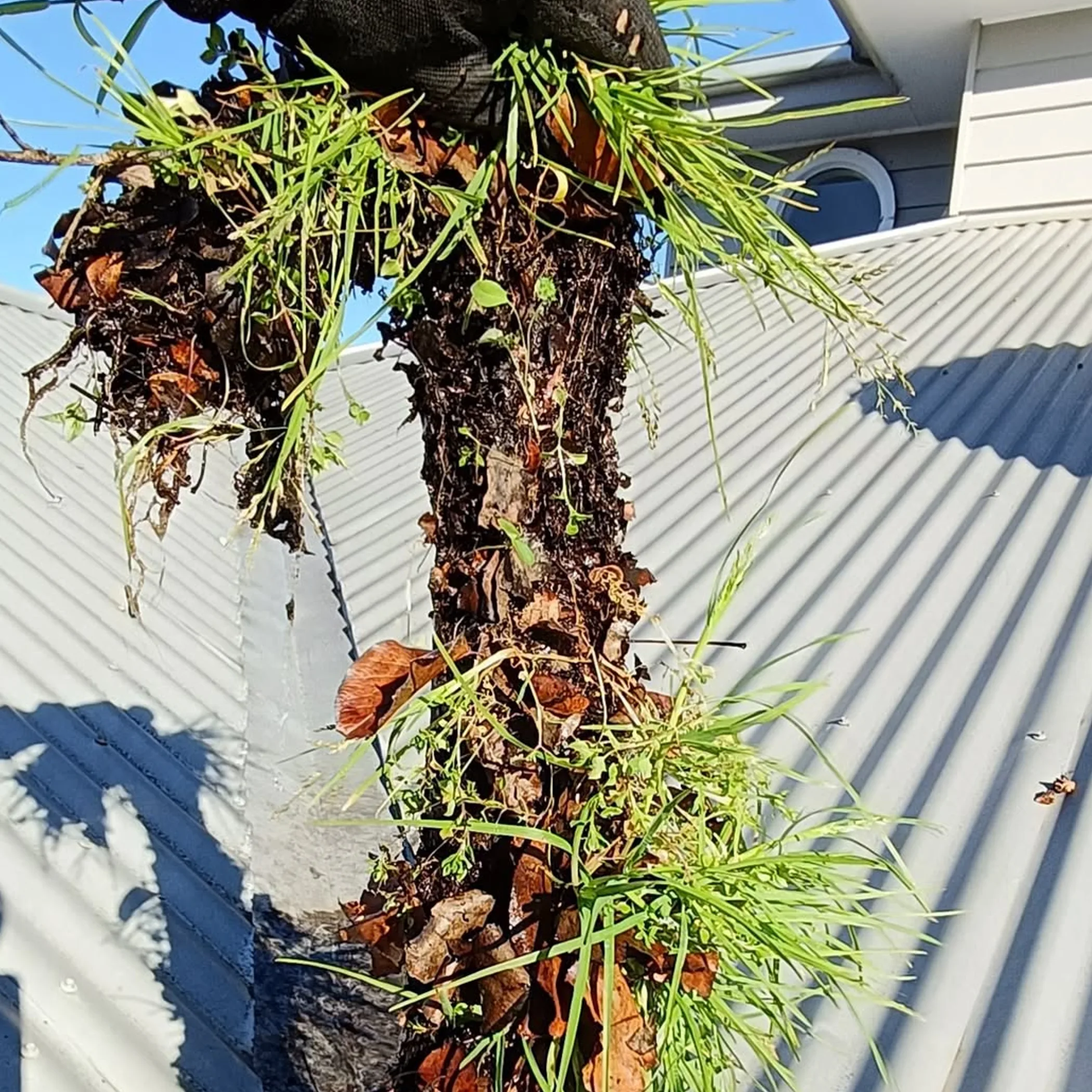
What may have lain dormant in the summer is laid bare by the winter rainfall in this city. Should the gutters be clogged with water-logged detritus or leaves, the rain will run over them to pool around the foundations and soak the fascia boards.
Consider the figures: 10 mm of rain equates to some 10 litres per square metre of roof. On a 100 square metre roof you are looking at 1,000 litres of water in the course of one event that has to be channeled to the ground without incident.
Put the Roofline First
Gutters are more than a receptacle for leaves, they are integral to the drainage system. An overflow will mar the outside walls, get under the paint and make for dampness about the doors and windows. Blocked gutters causing overflow can seriously damage walls and foundations if not properly maintained.
They can also be a cover for trouble in the roof itself. Repeated backing up of water at a valley or join will only compound a fault. In Victoria one might attribute a leak to anything from a bad tile to failed flashing or worn materials.
Less Risk of Repairs in Winter
When the weather is wet, getting on the roof is hazardous and repairs are an inconvenience. With the drainage in good order a tradesman has an easier task of distinguishing a blocked outlet from a defective part of the roof. It also spares you an emergency call post-storm; such work runs up the cost and is all the more arduous when it is wet.
How the Autumn Leaves Get in
For a Melbourne home the autumn is the time to prepare. The wind will take the seed pods, twigs and leaves from the deciduous trees and deposit them in the gutter. Put a few days of wet in and you have a compacted mess.
I was taken aback once by how fast a gutter would fill up next to a big street tree. From the verandah it seemed alright, but on closer view there was a thick layer of wet leaves at the outlet. Tree cover is a better guide than the calendar.
Streets with Plenty of Trees
If the property is in a leafy suburb or has a sizeable garden, expect to have the gutters in Melbourne cleaned with some regularity. One pre-winter look in may not suffice when the wind is up. After a gale, give the gutter line under the branches a once over. It does not have to be full to be a problem; a blockage at an outlet will see the water behind it rise in no time.
A Matter of Design
The job is dictated by the roof. A single-pitch roof is straightforward to drain but a multi-pitch will have its hidden valleys and collection points, and steep sections are not easy to get at from a ladder. Pay heed to the roof valleys where debris and water are drawn together. Internal gutters are of particular note since they can be behind a parapet and not readily seen from the garden.
Problems with Downpipes and Gutters
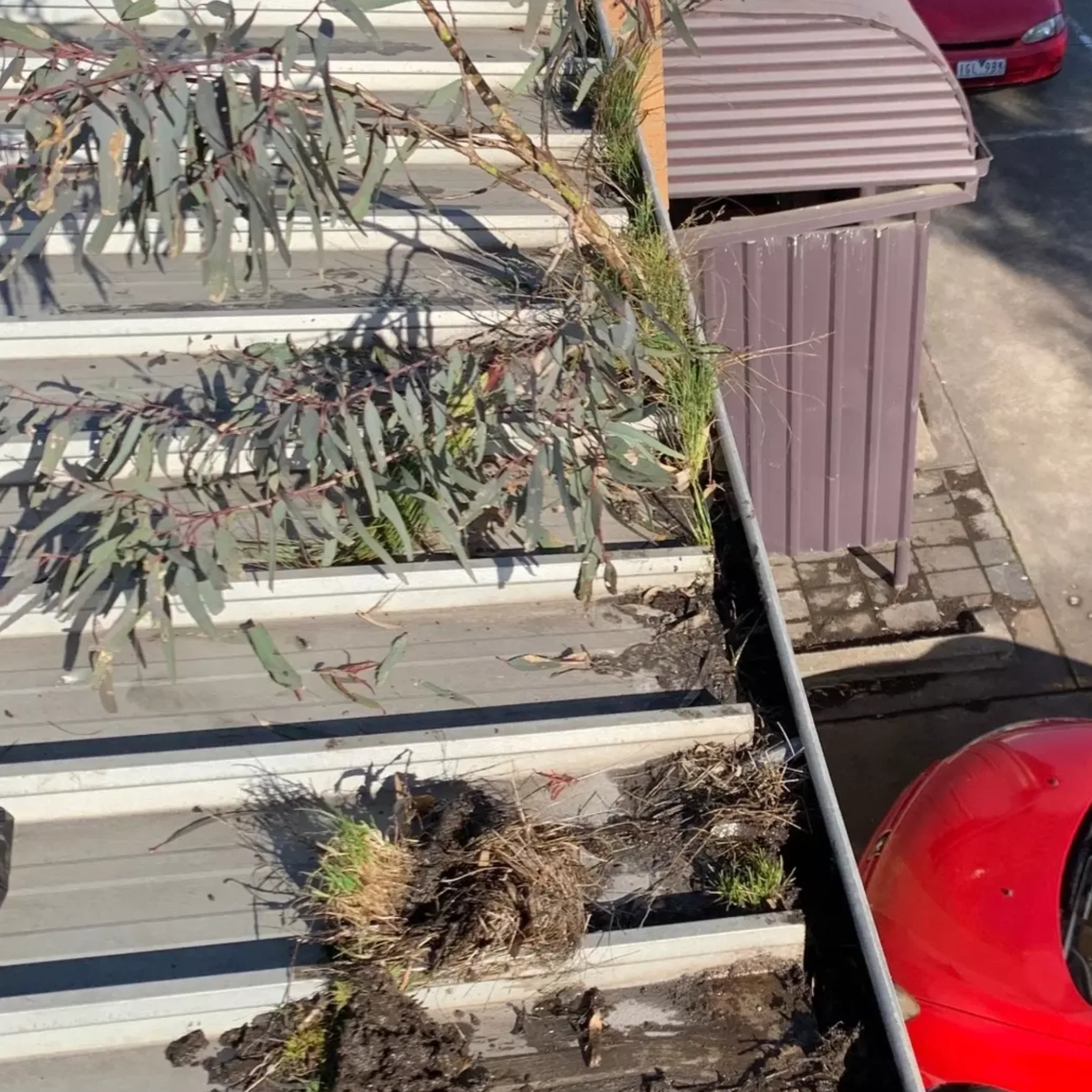
They rarely start off in a dramatic fashion. There will be a brown stain or a smell of damp, perhaps some weeds in an unlikely spot or bubbling of the paint. By the point you see water coming over the edge the blockage has been there for months.
The ones most commonly reported in Melbourne are due to silt, nesting material and downpipe obstructions as well as leaves. They each require their own attention so it is not enough to empty the channel.
Hidden Downpipe Blockages
Blockages in a downpipe are not hard to come by; they can occur at the top, at any bend, an underground connection or where the stormwater is entered. One might see a gutter that is all clean and yet the water has no way out.
A hose test will tell you if there is an issue. Under controlled conditions the water must pass through the downpipe and not back up or make its way out of the joins. Be careful with old or delicate fittings and do not put too much pressure on them. Should the water be slow to go, back up or appear from where it should not, then a call to a downpipe clearing service in Melbourne is in order.
Joints And Brackets
Years of heat, rain and movement will take their toll on brackets, end caps and gutter joins. Even with a clear outlet, standing water can be held by a sagging part of the gutter.
Examine for rust, splits, anything loose or a section that is sloping the wrong way from the outlet. Some minor defects are easily put right but a long run with insufficient fall is more of an undertaking.
What You Can See From The Ground
There is no need to climb to spot the warnings. Staining under the gutter, marks on the fascia, corners running over, soil washed from the walls or plants in the gutter line are all telling. Within the house, damp on the ceiling, paint blistering after a rain or a musty smell are cause for concern. They may not be the gutters’ doing but a roof and drainage inspection would be warranted.
Gutter Work In Preparation For A Storm
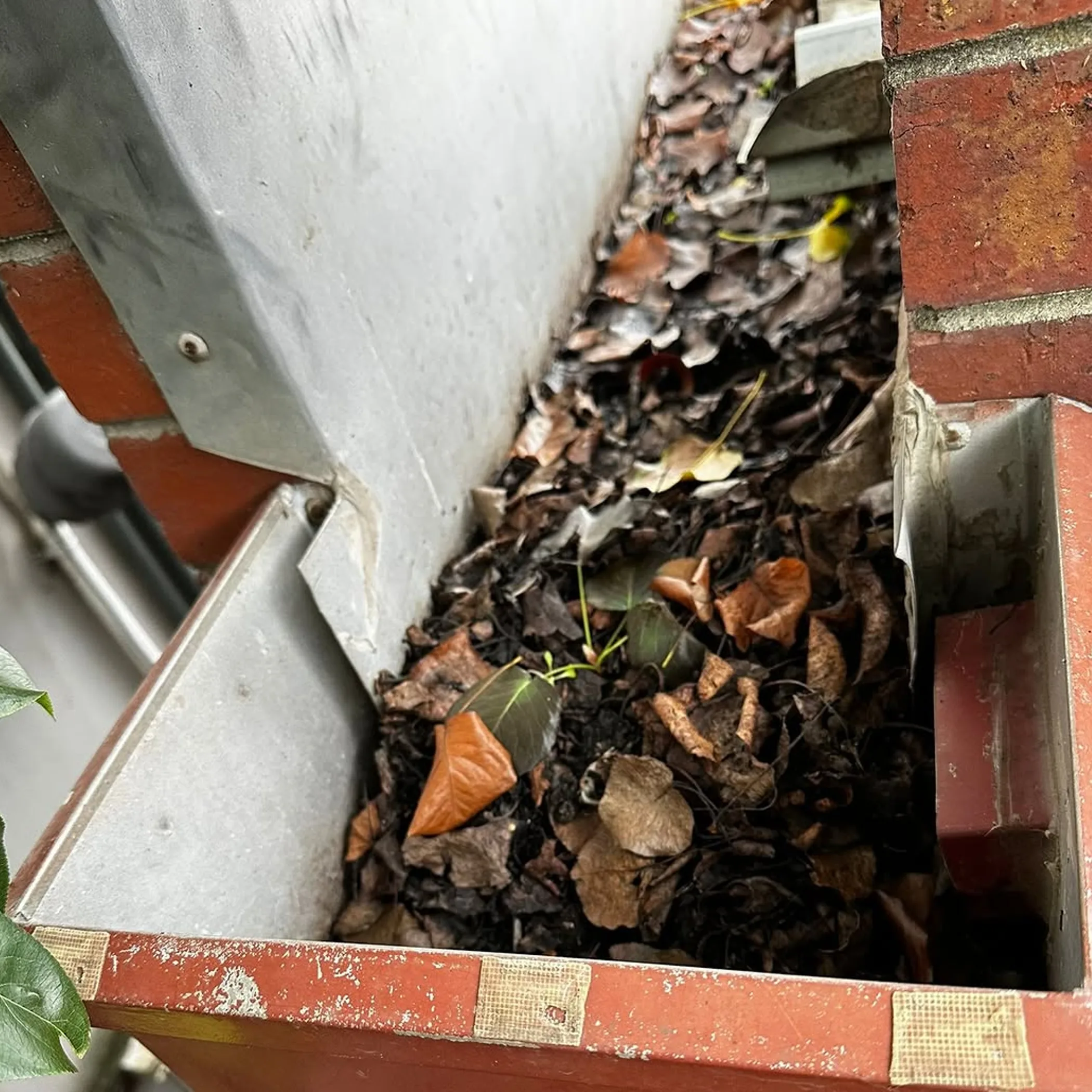
The point of pre-storm work is to have a clear path for the water to the stormwater system, not to put the roof in order. Make sure the channels and outlets are open and downpipes in place. See also that nothing loose, be it a branch or some roof material, can be blown into the drainage in high winds.
A Winter Checklist
- Clear the leaves and debris that has taken on water from those gutters one can get to.
- Make an inspection of the valleys, outlet areas and end caps.
- See if the downpipes are leaking, separating or have a sluggish flow.
- Any sagging or unsecured brackets?
- Where it is safe and allowed, put in some pruning on branches that habitually shed on the roof.
- Get some photographs of any problems before you put in for a quote or have repairs done.
Consider The Entire Property
Garages, verandahs, sheds and lower roofs should not be overlooked. While they are seen as secondary, their overflow can do quick damage to a wall or narrow passage.
Then there is the matter of solar panels. Do not assume your contractor will include them in a roof cleaning. Leaf litter will find its way around the edges of the panels and the adjacent channels. Find out how they intend to deal with them.
Setting A Cleaning Schedule
Twice yearly is a sensible rule of thumb for most in Melbourne, once when the autumn leaves have fallen and again in the wetter winter months. More tree cover calls for three or four times a year. But every home is different; the design of the roof, the presence of guards and local exposure will dictate things. A property with mature plane trees next door will be full again in a week of wind whereas a home without trees will not need as much attention.
Some Guidelines
| Type of property | A good place to start | Things to be on the look out for |
|---|---|---|
| Simple roof, few trees | After a major storm and once prior to winter | Slow downpipes, leaks at the joints |
| Garden or street with trees | No less than twice a year | Compacted debris and the build-up of leaves in autumn |
| Steep or multi-pitch roof | Have a professional do a seasonal check | Valleys and gutters that are hard to get to |
| Older home, internal gutters | As past issues have shown | Damp that is hidden, overflow at the parapets |
It is well worth keeping a record of the work done and what was found. It will show you patterns. An outlet that blocks each winter may require a repair or some tree management rather than just being cleaned time and again.
DIY: Know Your Limits
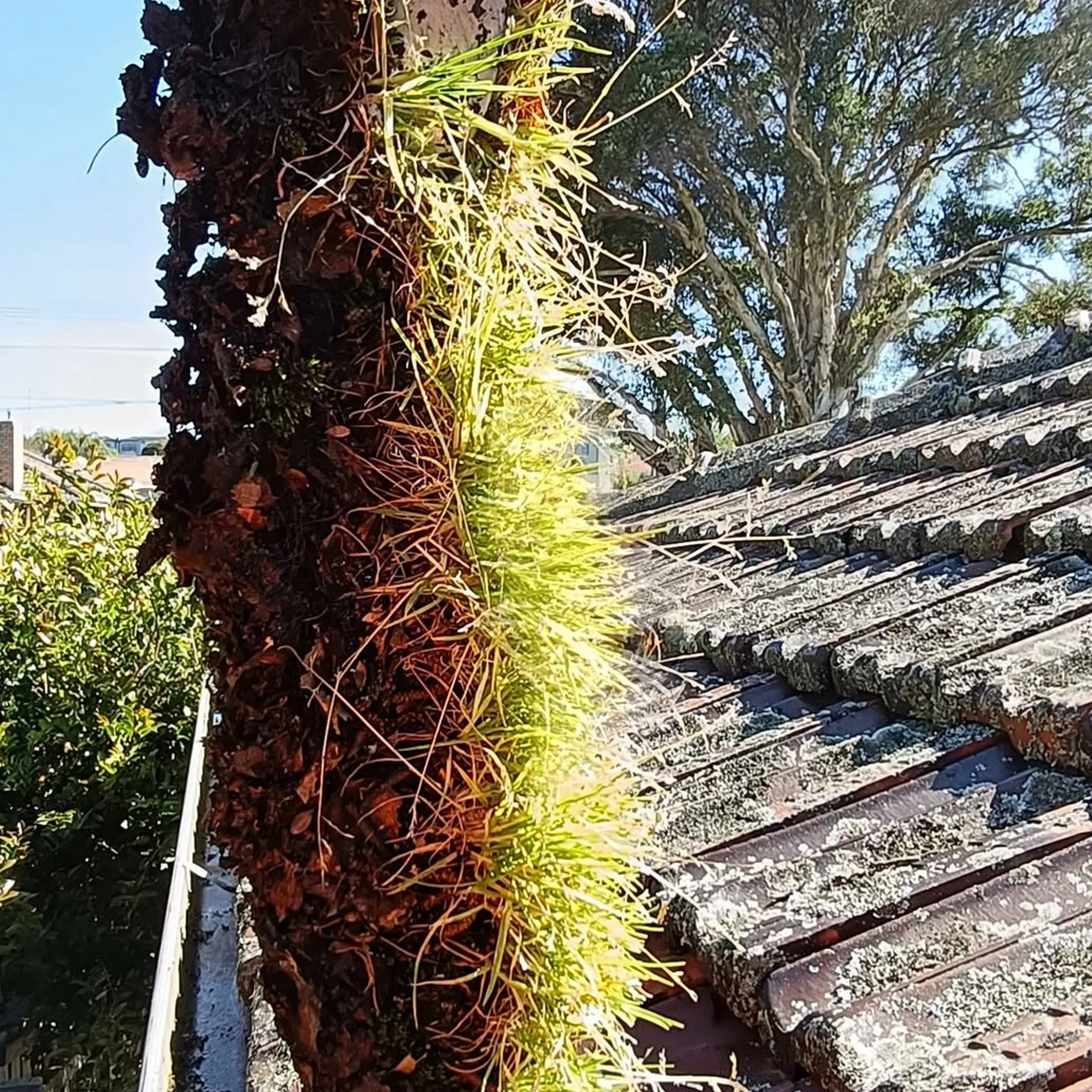
For a single storey with good ground access and a homeowner who is realistic about his abilities, DIY is fine. Not so for a roof that is steep, wet or near power lines.
One sees it made the error of regarding a ladder as sufficient safety. It gets you up but it will not provide safe footing on a slick surface or allow you to put weight across a length of gutter.
Know When To Stay Grounded
Wet tiles, mossy ground and corrugated roofing are not to be climbed. One should also forgo any work on the roof in poor light, with the rain or when it is windy. Ladders have no place near electrical lines; put them on stable footing and do not put yourself in a position where a fall would mean you are on your own and cannot summon assistance.
A telescopic tool will do to clear some of the lighter debris from the gutters of a one-storey house without leaving the ground, but do not expect it to turn up loose brackets, roof damage or an obstruction in the downpipe that is out of sight. If the outlet is not in plain view there is no way of being sure the system is clear.
Owners of a two-storey home would be well advised to make professional arrangements unless they are properly trained and insured and have the equipment to hand. You do not want to find your balance is not as good as you thought in a wet gutter.
Melbourne Cleaning: Book at the Right Time
There is value in having a professional clean the gutters in Melbourne if access is a problem, the drainage has been prone to leaks or there are several roof levels. A good provider will not only look at the surface of the gutter but will tell you in straightforward terms what he has seen.
Find out if the service covers downpipe flow, taking away the debris and putting any repair issues on paper with photographs. And make sure you know what you will be charged for anything extra like internal gutters, steep roofs, solar panels or work on a double-storey.
Real Access Conditions Have To Be Allowed For
It is not just a matter of how many bedrooms a house has. You may get through a small cottage with an open driveway without trouble, but a bigger property with narrow side access, a few different roof pitches and damp debris will take its time.
Put the cars somewhere else before the appointment, open the side gate, see to the pets and make note of the outdoor taps. My greyhound Arthur sees a ladder by the house as a personal affront, so it is prudent to keep the animals inside.
Gutter Cleaning Costs in Melbourne
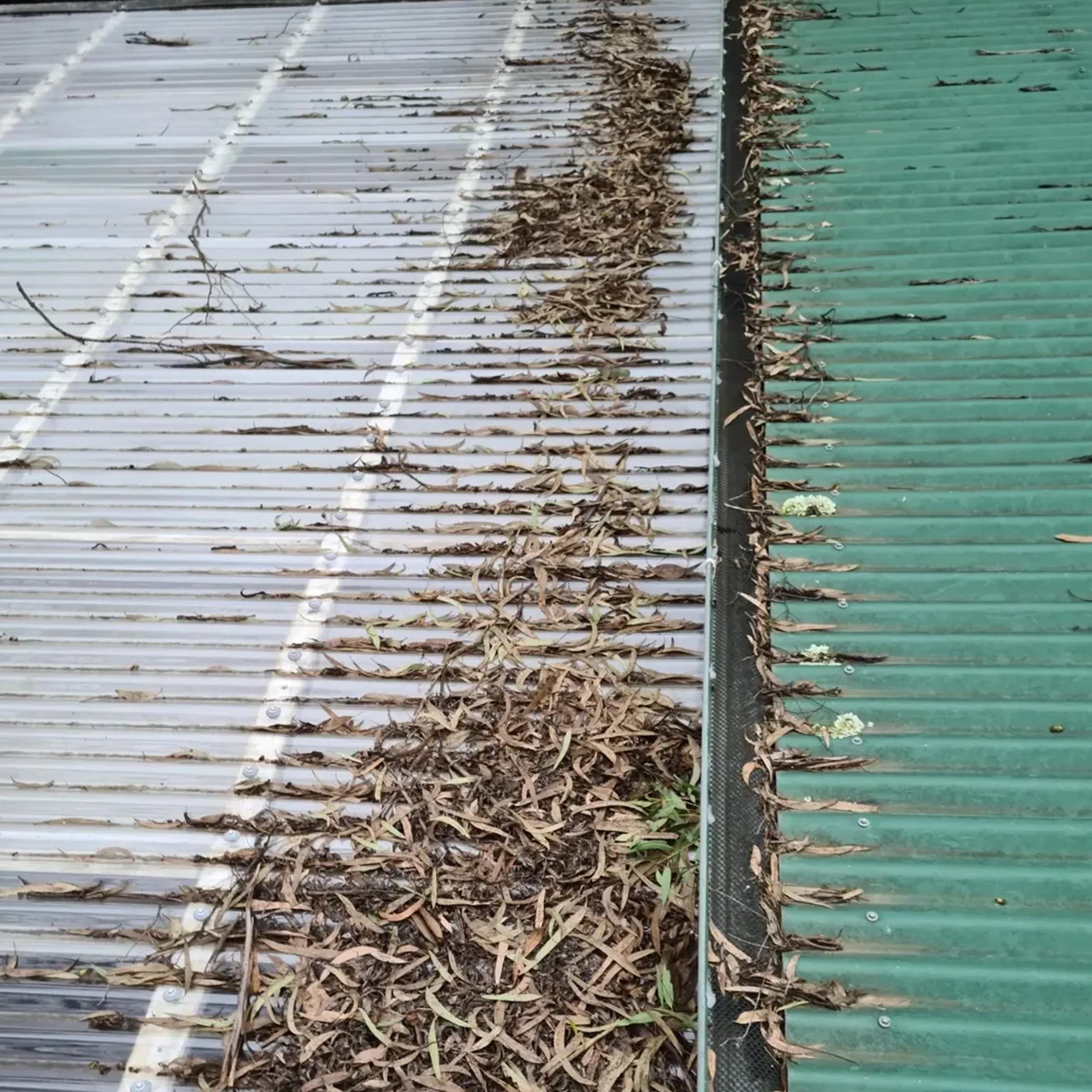
The price a homeowner puts down for this will be a function of the size and height of the property, the state of the downpipes, how much debris there is and the complexity of the roof. As a rough guide for planning, $150–$300 is what one might pay for a simple single-storey job; for something more involved it can be $300–$700 upwards.
Take these Australian-dollar figures as indicative rather than a fixed quote. Any contractor worth his salt will want to have looked at the property or some decent photos before he puts a price on it. Do not be taken in by a bargain price that omits the downpipes or the hard to reach parts of the roof.
Make A Proper Comparison Of Quotes
See if GST is in the price along with safety gear, a written report or photos, and the testing and removal of downpipe debris. Have repairs quoted on their own to avoid any confusion between maintenance and cleaning costs.
There should be an understanding of what the contractor will do on finding rusted guttering, unsafe access or tiles in disrepair. A tidy gutter is no defence against water coming in through broken flashing and you cannot put a failed roof component right with a broom.
Rely On The Weather
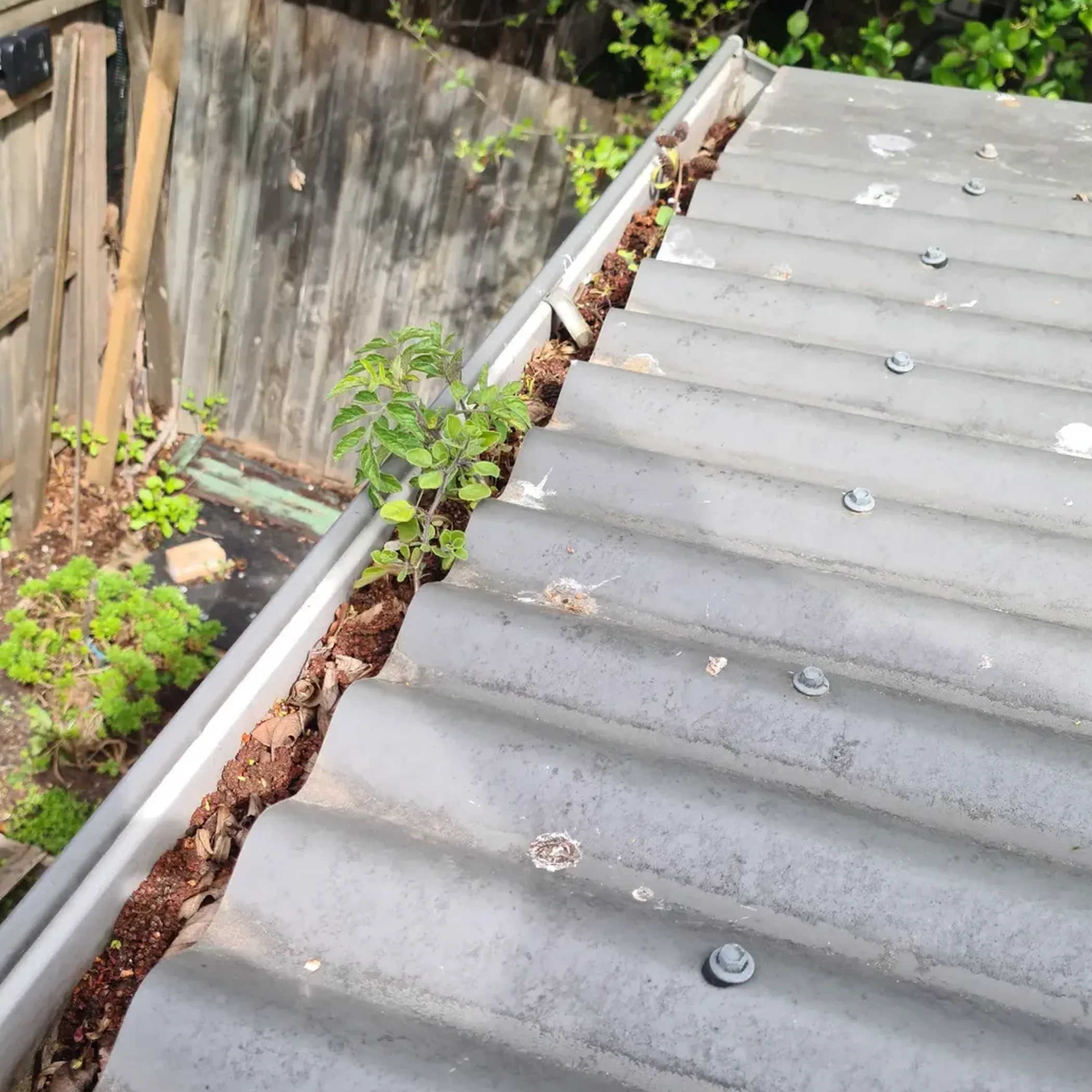
With Melbourne in winter you need to plan for a dry and calm spell. The Bureau of Meteorology will have the Victorian forecasts and warnings you should consult prior to any elevated work.
If the conditions are such that the contractor cannot do his job safely, do not put in an order for cleaning ahead of bad weather. It is wiser to put off a job that is not pressing than to have someone on the roof in danger. When a storm is in the offing, stay on the ground and make sure any loose items outside are secured.
Frequently Asked Questions
Winter rain has a way of bringing gutter problems to light and here are some of the things Melbourne homeowners put to us. The answers are short and to the point, though an on-site visit is called for with a persistent leak or an odd roof design.
Will Gutter Guards Put An End To Blockages?
They are not a set-and-forget affair. While they will keep the larger leaves at bay, fine stuff, seed pods and grit from the roof will still make their way on or under the guards. They need to be cleaned and inspected in their own right.
Is It Advisable To Clean In The Rain?
Not as a rule. It is difficult to make a safe inspection of a wet, heavy and slippery gutter and the rain may obscure where the overflow is coming from. Wait for calmer, drier weather and then put the water flow to the test.
Can A Roof Leak Be Put Down To A Blocked Downpipe?
It is one way to get overflow and water damage but the downpipe is not the source of every leak. Look to the tiles, the valleys, the membrane or even the internal gutters. Should a leak persist after you have cleaned, a wider inspection of the roof is in order.
No Trees, No Need For Gutter Cleaning?
You may not have to do it as often but yes. Wind will bring its share of debris and there is always dust, nesting material and roof grit to clog the outlets. How the roof is shaped and where the drainage is is as important as the trees in the vicinity.
What Of An Overflow In Winter?
Do not go climbing in the rain, just watch from the ground. When it is safe to do so have the downpipe and outlet seen to. A photo of the area while it is raining or straight after can be of use to a contractor in making a diagnosis.
Clear Flow To See Out The Winter
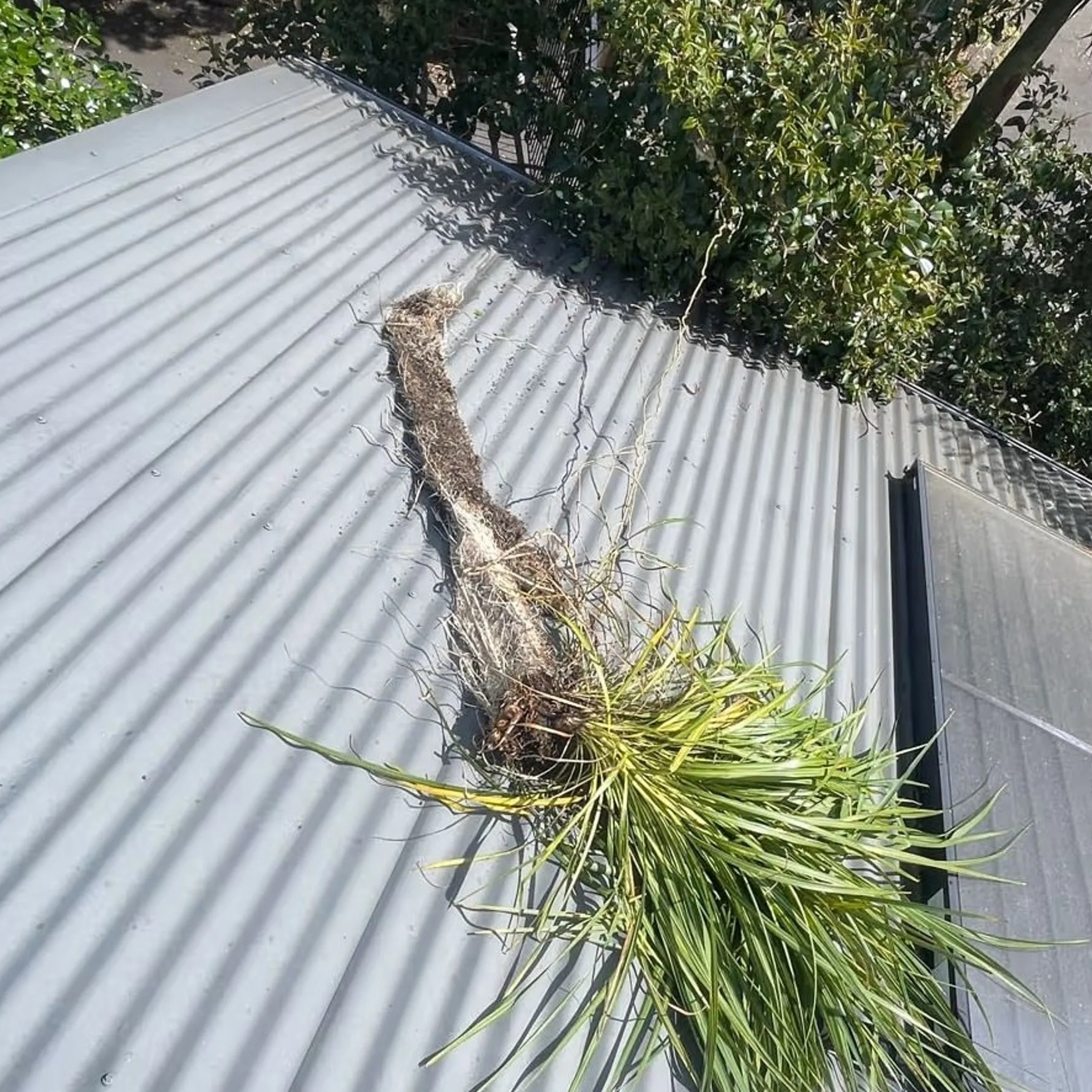
For your Melbourne gutter maintenance in winter the routine is simple: get rid of the autumn detritus, check the whole of the drainage, put the downpipes to the test and call in a pro where the height or design of the roof makes a DIY approach hazardous.
Better to do it now than let a blockage put a stain on the ceiling. The weather in Melbourne will do as it does and change its mind, send the rain in sideways and ruin a perfectly good Saturday. With the gutters clear the rain has somewhere to go.