
There is an elementary rule to observe for your safety in the tropics of Queensland: put any notion of tropical hazards as mere scenery out of mind, heed warning signs and make sure you have checked conditions prior to departure. Whether one is in the Whitsundays or the Great Barrier Reef, in Townsville, Cairns or elsewhere in Tropical North Queensland, a visitor has to be ready for it all, from snakes and marine stingers to flooding, sudden storms and park access that can change without notice.
My name is Simon Redcliffe and I have found that preparation is what makes for good tropical travel. One moment there is blue sky, then by lunch it is all sticky and before you know it the rain is coming down on the roof as if to settle an old score. What follows is some straightforward advice for 2026 on everything from swimming and hiking to dealing with extreme weather and the health risks that come in the wake of a flood.
2026 Queensland Safety Essentials
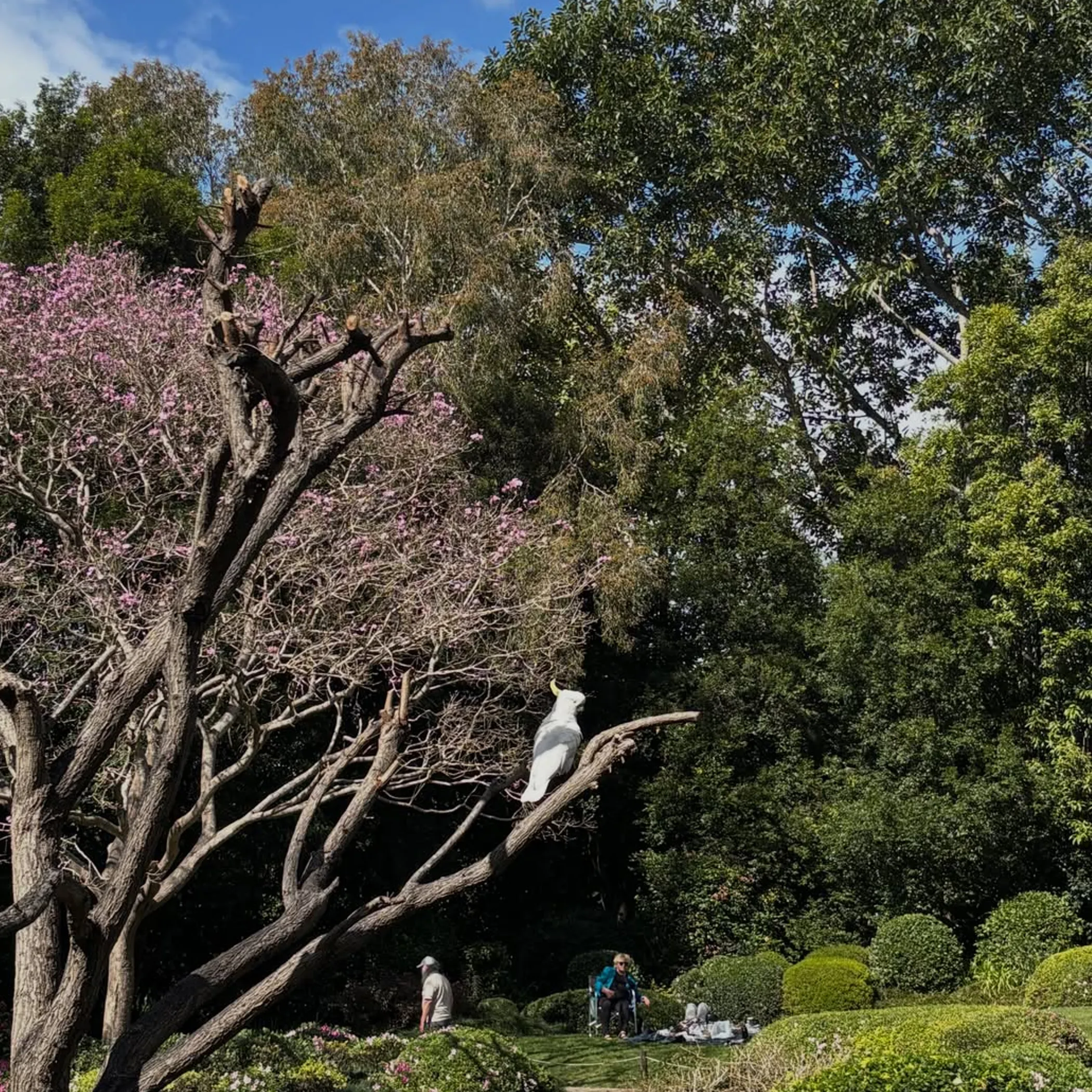
You do not need a satellite phone, a bunker or a three page risk assessment to have a safe time. But sensible attire, dependable information, plenty of water and the good sense to retrace your steps when the going gets rough are called for.
Make it a point to consult the Bureau of Meteorology and the Queensland Parks and Wildlife Service Park Alerts for road and local beach conditions. Consider the optimal seasons for heritage park exploration when planning your visit. If you are venturing into a national park or off the well trodden tourist paths, let someone know of your plans.
Heed The Local Warnings
An official warning will trump a social media post from yesterday. A crocodile alert or storm activity can put an end to things fast; so too can a closure of a track or a flooded road. When a barrier is up at a waterfall or lookout, it is not for you to test your mettle against.
The Bureau of Meteorology has the definitive forecasts and cyclone data. In an emergency dial Triple Zero (000). Put some maps on your device before you head out of town; mobile service is apt to vanish in the parks and on isolated roads.
Wet And Dry Season Risks
North Queensland’s wet season is November to April in most years, the dry from May through October. Take these as planning tools rather than hard and fast lines. You may find rain in one valley and sun on the next beach, or it could arrive early and be slow to leave.
The wet season is for thunderstorms, high humidity, flash floods and cyclones. The dry is better suited to sightseeing but do not be surprised by water shortages, bushfires or the like.
Conditions Dictate Your Plans
Do not think a short distance equates to a short drive in the wet season; give yourself time. A causeway you made no fuss of on the way in might be unpassable on the way back once the waters have risen. Walking, cycling or driving through them is not to be done.
When it is dry, get an early start. That track is fine at 7 am but will be another matter by midday. Dress accordingly, rest in the shade and have more water on hand than you think necessary.
Reality Check
One might expect a tropical shower to be over in a minute. In fact a brief storm can leave you with poor visibility and a slippery track for hours, not to mention swollen creeks and downed branches. And while the dry season is not without its perils of dehydration, sunburn and grass fires, some would have you believe otherwise. These are the facts of life in Tropical North Queensland.
Marine Stinger Safety
Stinger season in Queensland tends to be the warmer months of November to May, though they can show up at other times. Box and Irukandji jellyfish are the ones everyone talks about but the principle is to take the locals’ word for it when you are in coastal waters.
A stinger suit and the use of nets where available will not spoil your swim. Stick to patrolled beaches between the flags.
First Aid
Should a stinger get you, out of the water and call 000 at once. There may be a case for vinegar in some instances in this part of Queensland but first aid is not one size fits all. Whatever you do, do not rub it and do not put off calling for help.
Check with the lifeguards. A beach can look clear enough and still be unsafe; tides, wind and currents can turn the ocean rough in no time at all.
Reefs And Islands: A Guide To Swimming
One can have a fine time on the water in the Whitsundays or at the Great Barrier Reef, yet for safety’s sake it is best to go with an operator who has trained staff and a contingency plan in place, as well as the equipment to back it up. The commercial side of things will put you through a briefing and proffer some local wisdom and flotation gear; they are aware of what kind of conditions tend to trip up the unwary.
Then there is the matter of wildlife and weather in Cairns. You have to be discerning about where you put yourself in the water. A river, a bay off an island, a reef pontoon or the beach all present their own set of risks. It would be unwise to think that because a shoreline appears tranquil it is the same as being in a supervised enclosure.
Selecting Your Water
Stick to patrolled beaches and heed the flags. A red flag is a clear not to swim. In the absence of one, do not take it for granted the beach is safe, consider it unpatrolled.
On a boat out to the reef, pay attention to the briefing. Put away anything loose, make use of the flotation devices provided and keep your hands off the coral and other marine life. Since you will be on the water for hours and it is very reflective, you will want a hat, sunscreen, a long-sleeved rash vest and plenty of drinking water.
Wildlife Without The Drama
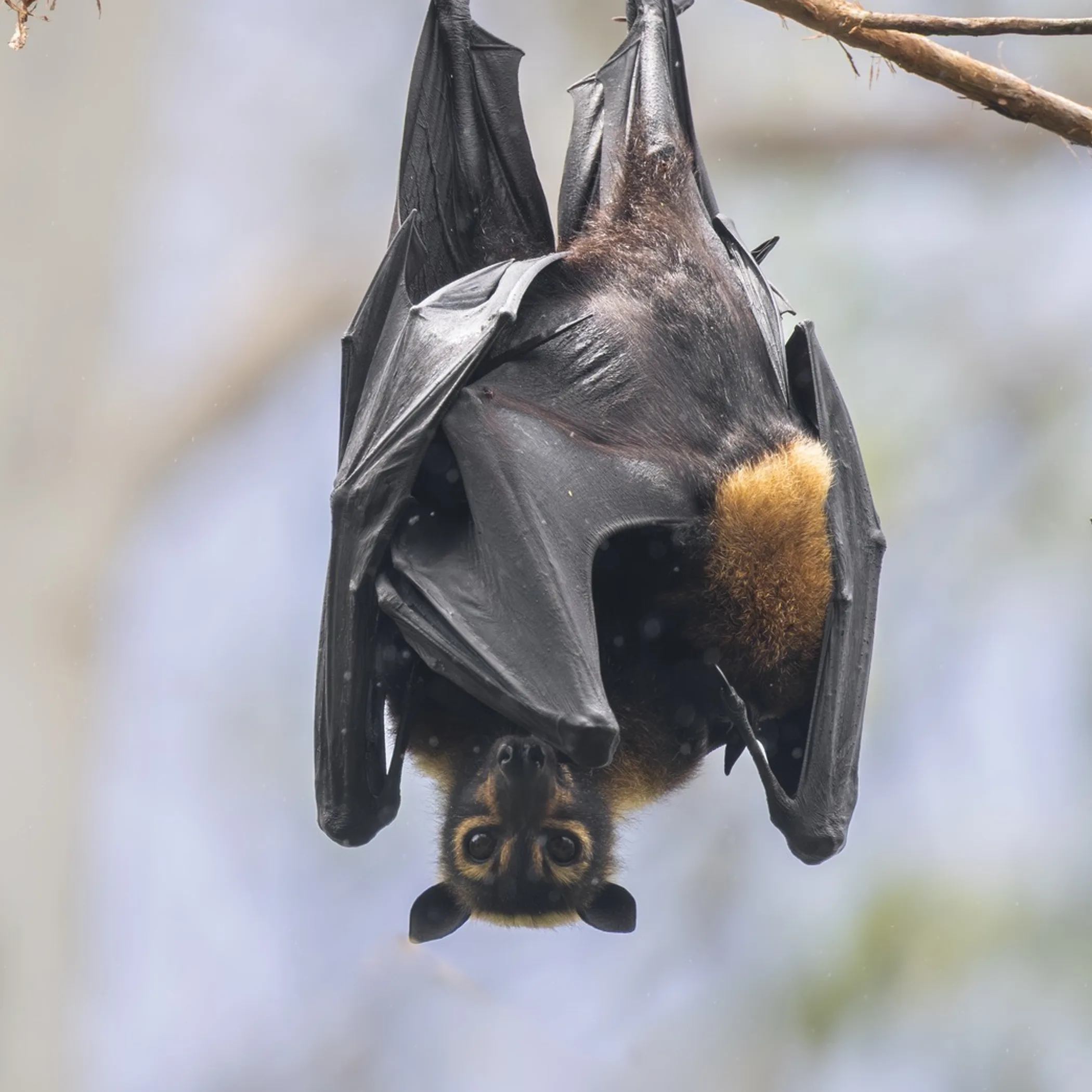
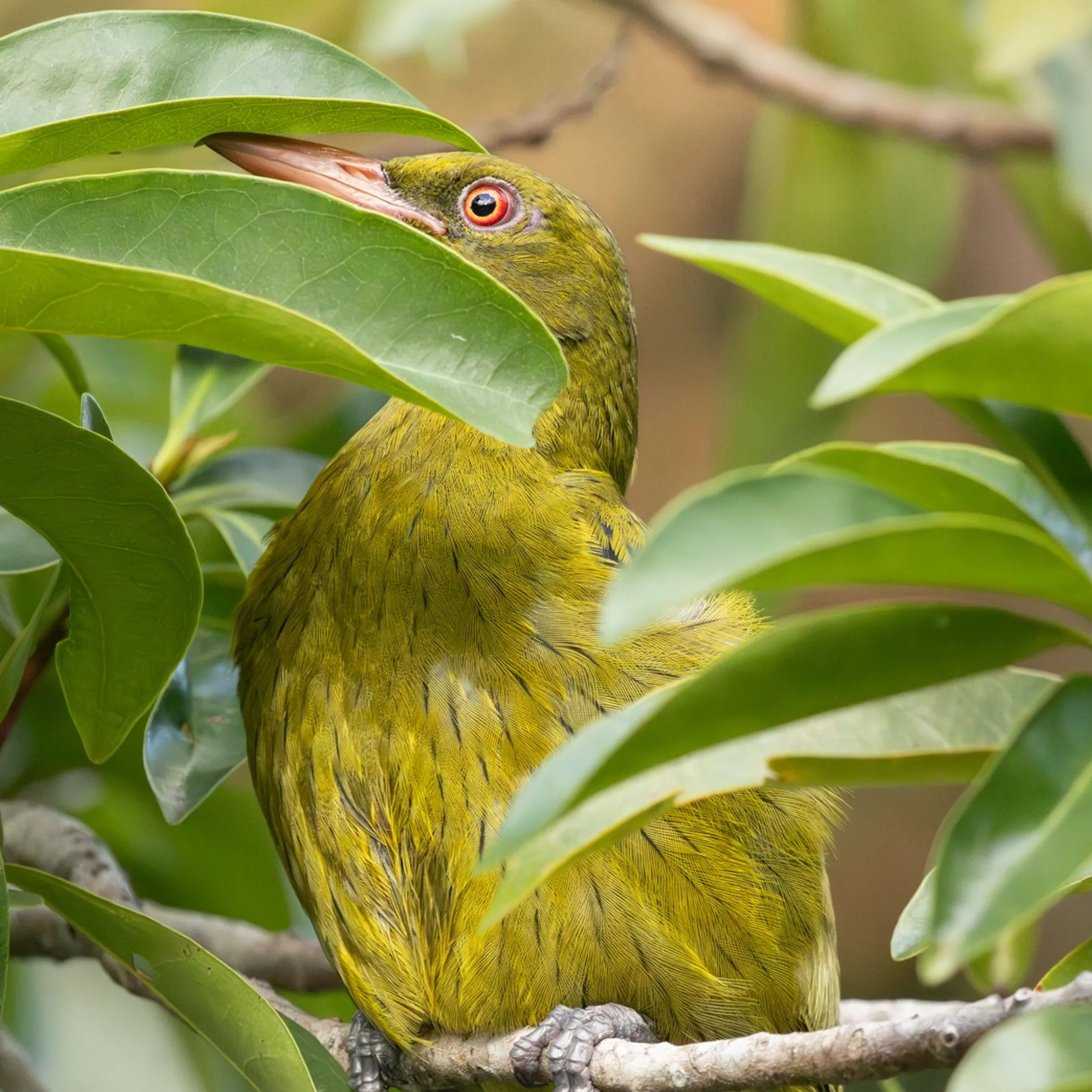
In Queensland it is a case of keeping your distance, not feeding anything and remaining calm. Be it an aggressive bird, a stinging insect, a spider, crocodile or snake, they are no trouble so long as visitors do not encroach on their habitat or startle them.
Remain on the tracks, put insect repellent on and make sure food is sealed. Give your shoes and bags a good shake. Refrain from putting your hands in any rock crevice or thick undergrowth, hollow logs included. The bush has its surprises there.
Snakes, Spiders, Crocodiles
Spot a snake and put a stop to what you are doing, let it have room to go. Do not get in its way or try to pick it up. Should a bite occur, have the person lie still, put on a pressure immobilisation bandage if you are qualified and dial 000.
Where there is a risk of crocodiles, do not wade or stand at the water’s edge unless the authorities have said it is okay. They can be hard to see in muddy water. Do not be under the impression a freshwater creek is free of them.
The Small Things
You will come across insects and spiders in the tropics. At a campsite closed footwear is advisable. One can be more at ease in protective clothing than trying to hold a camera in one hand and swat mozzies with the other. After a walk in long grass check for ticks.
With children in view of wildlife or near scrub and water, keep them close. Do not corner an animal for a photo or chase it. An encounter is better when the animal is left to its relaxation and you are left without a bite.
Hiking And Waterfalls
Safety in a national park is about having the right fitness, shoes and timing for the track. On paper a tropical trail may not look like much but in the humidity it can be steep and slick.
After a rain you should be wary at waterfalls. Currents are strong and rocks are slippery enough to dislodge someone who thought he was secure. Under no circumstances enter floodwaters or make a jump from a rock when in doubt.
An Honest Look At The Tracks
See the table for some planning. But exact conditions in a park are subject to closures and rainfall, so have a word with Park Alerts before you leave.
| Experience | Typical Planning Need | Main Risks | Suitable Approach |
|---|---|---|---|
| Short lookout walk | Allow an hour or two for this and the odd stop | There are stairs and surfaces to be careful of | Go early and in closed shoes with water |
| Half-day in the rainforest | Three to five hours in the humidity | Expect leeches and to cross creeks | Inform someone of your route and see what the rain forecast is |
| A waterfall after rain | You will need time to get in and out | Muddy water and unstable rocks are a given | Heed any warnings and stay behind the barriers |
| Remote hike | This could take a day or more | Isolation and heat are factors | Take first aid and navigation |
Make Sure You Can Get Back
People often plan for the walk in and nothing else. For the return you will want a phone with charge, sun protection, a map, insect repellent and a small first-aid kit along with sufficient water. Leave the smooth-soled trainers at home; they are little more than skates on a wet rock.
When you are limited to a day, make for something patrolled and in good order near where you are staying. To put in a long rainforest hike, a reef outing and then a late drive is not an itinerary, it is making a group project of the weather.
Heat, Humidity And Insects
The key to heatwave safety in Queensland is to cut down on the heat load before any symptoms have a chance to show. With humidity in the way, sweat will not evaporate as it should and one can be left feeling spent despite the thermometer reading nothing out of the ordinary.
So make a habit of drinking and of resting in the shade; put off any hard work for when the day has cooled off. A light, loose article of clothing will ward off insects as well as the sun. Should you be overcome with a headache, dizziness, nausea, confusion or an odd kind of fatigue, cease exercising and get some help.
Heat Exhaustion: Recognise It Early
It is not something that will wait. In the event of heat exhaustion, put the person in a cool spot, take off what clothing is not needed and cool the skin, then obtain medical advice. But if there is collapse, seizures, loss of consciousness or confusion, do not hesitate to put in an emergency call to Triple Zero (000).
As for alcohol, it is no way to hydrate while travelling, tempting as a cold tinnie may be. Put it aside for when you are done with your driving, swimming and walking for the day and have had time to cool down.
Storms, Floods And Cyclones
One pays particular heed to cyclone safety in Queensland in the northern season from November through April. A tropical cyclone is capable of producing destructive winds, storm surge, heavy rain and road closures that extend far from the system’s centre.
Let a severe weather warning alter your plans without delay. There is no need to wait for the sky to put on a show before going inside; it has a way of making its presence felt once you have run out of time to make the sensible choice.
Act Before Things Get Worse
In a cyclone or storm, find a solid building and put some distance between yourself and the windows. Heed the local authorities and emergency services, have a fully charged phone and stay put. Do not go near a beach or river, or a downed powerline, for the sake of a photograph.
“Road closed” is not an option. If your accommodation is under water, heeding evacuation orders is the order of the day. Steer clear of moving water and lifts or anything underground; floodwaters are apt to have debris, sewage and hidden drop-offs in them.
- Before you set off, see what the Bureau of Meteorology and the local council have to say.
- Have offline maps, a first-aid kit, insect repellent and sun protection at hand along with some drinking water.
- Let someone you trust know where you are headed and when to expect you back.
- And if a creek is running high or the road is blocked by storm damage, turn around.
In the Wake of Rain and Flooding
Melioidosis, a serious infection from the soil and muddy waters of the north, is a risk after a deluge. Those with diabetes, lung or kidney disease, or who are heavy drinkers would do well to have no contact with mud or soil. When you have to clean up after a flood, gloves and waterproof footwear are called for; cover any cuts and give them a good wash. If you are unwell following such exposure, see a doctor and put in a word about the flooding.
Do not be fooled into thinking water is safe just because it looks clear. Fast water will conceal broken infrastructure and holes. Queensland Health will have the last word on matters of injury or long exposure. The sensible thing for a traveller is to keep out of floodwaters, put away dirty gear and clothing and if a fever or chills come on, ask for assistance.
A Matter of Timing
Some visitors will plan their trip to coincide with the dry season for better conditions on the reef and for walking. Others in the wet season will put up with the rain and less access for the sake of a quieter, greener landscape. It comes down to what is more important to you, be it a flexible drive, wildlife or a swim. I like to put some room in my itinerary between the main events; a walk hampered by the heat or a boat that does not arrive on time can easily take up half a day. There is more to be said for having a buffer than to put in an additional attraction only to show up at your dinner in a state as if you have been put in a warm laundry.
Match The Trip To You
One has to be able to make allowances for the heat, heed what the locals say and be flexible with one’s plans to get the most out of Tropical North Queensland. Those who would not think of altering a drive or a hike should conditions become unsafe will find it less to their liking.
If you are looking into the best time to see the heritage parks, put the kind of experience you are after against what the season allows. In the wet season the waterfalls put on a better show but you will have to contend with closures, tracks that are slippery and transport running late; the dry is easier on foot.
Your mode of transport will depend on where you are headed. From Cairns you can put together reef and rainforest excursions using hire cars, local buses or tour transfers. Townsville and the Whitsundays have their ferry and tour links, though you may need to plan your fuel and return route with some care and have a car up to the task for the more isolated parks. An old itinerary is no substitute for checking access conditions, permits and parking rules first.
- Make the afternoon a bit of a free-for-all and get an early start on your one main activity for the day.
- When it comes to the reef, engage an operator whose equipment is provided and who has safety briefings and weather protocols in place.
- With national parks, you want to be sure the route is open after a rain by way of Park Alerts and downloaded maps.
- In the wet season have an indoor option in reserve and factor in more driving time.
Queensland Wildlife Safety FAQs
What Months Is The Wet Season In North Queensland?
November to April is the usual run of the wet season. But location and year will have their effect on conditions so do not go by the calendar alone; look at Park Alerts and any flood warnings in the forecast.
When Is Stinger Season In Queensland?
The warmer months, say November to May, are generally regarded as stinger season in Queensland. Yet marine stingers are not confined to them, so wear a stinger suit where it is called for and pay attention to local notices.
What Are The Safest Months To Visit Tropical North Queensland?
Travellers tend to favour the dry season, May through October, for the predictability of the roads and outdoor pursuits. Do not be under the impression there is no risk; normal precautions are still in order for the sun, heat, wildlife and storms.
How Can Visitors Stay Safe Around Queensland Wildlife?
By keeping your distance and not feeding them, staying put on the marked track, minding the signs and putting on some insect repellent. Put away food. A crocodile warning is to be taken seriously. For a serious medical emergency or bite, dial Triple Zero (000).
Is It Safe To Swim In Queensland During Stinger Season?
You will be on safer ground at a patrolled beach between the red and yellow flags and within the stinger nets, but there are no risks removed from a tropical swim. A stinger suit is recommended and it is worth asking the lifeguards what they make of the conditions.
What Should You Do During Extreme Weather In A Queensland National Park?
Heed emergency instructions and put in some shelter. Get off the creek crossings and away from the waterfalls. Do not press on down a flooded track because the car park is near.
How Can You Avoid Melioidosis After Flooding In Queensland?
Wear gloves and footwear of a protective nature, cover any cuts and avoid soil or mud. Wash well once exposed and if you are unwell, get medical advice and mention the contact with the floodwater.
Travel Smart, Then Enjoy Queensland
A sensible approach is better than a dramatic one when it comes to making a plan for the weather and wildlife in the tropics. Have some water with you, let the wildlife be, put on sun protection and abide by any closures.
Queensland will give you days to remember if you put in the effort to be attentive. Make the right call of it early on and have a backup, and put the bush and reef in as good a shape for the next visitor as you found them.