
Australian Weather And Roof Longevity By Region is something to consider. One and the same roof will put on years in the Pilbara, Hobart or Brisbane, which is why Australian Weather And Roof Longevity By Region is something to consider. The demands made on roofing materials vary with the heat, humidity, bushfire risk, heavy rain, high winds and UV radiation. In this guide I, Simon Redcliffe, set out what the local weather does to a roof and where homeowners tend to make mistakes, all in the interest of sensible maintenance rather than alarm at the first sign of a dark cloud.
You will not find a definitive answer to the question of how long an Australian roof is good for. A metal roof that has been put in properly can see you through decades; concrete and terracotta tiles are no less long-lived so long as the underlay, flashing and fixings are in order. But storm damage, bad ventilation, coastal corrosion or gutters left to their own devices will put a dent in those numbers. For maintenance planning, see this roof cleaning timing guide. What follows are some figures for your planning, not any kind of guarantee.
Weather Shapes Roof Life
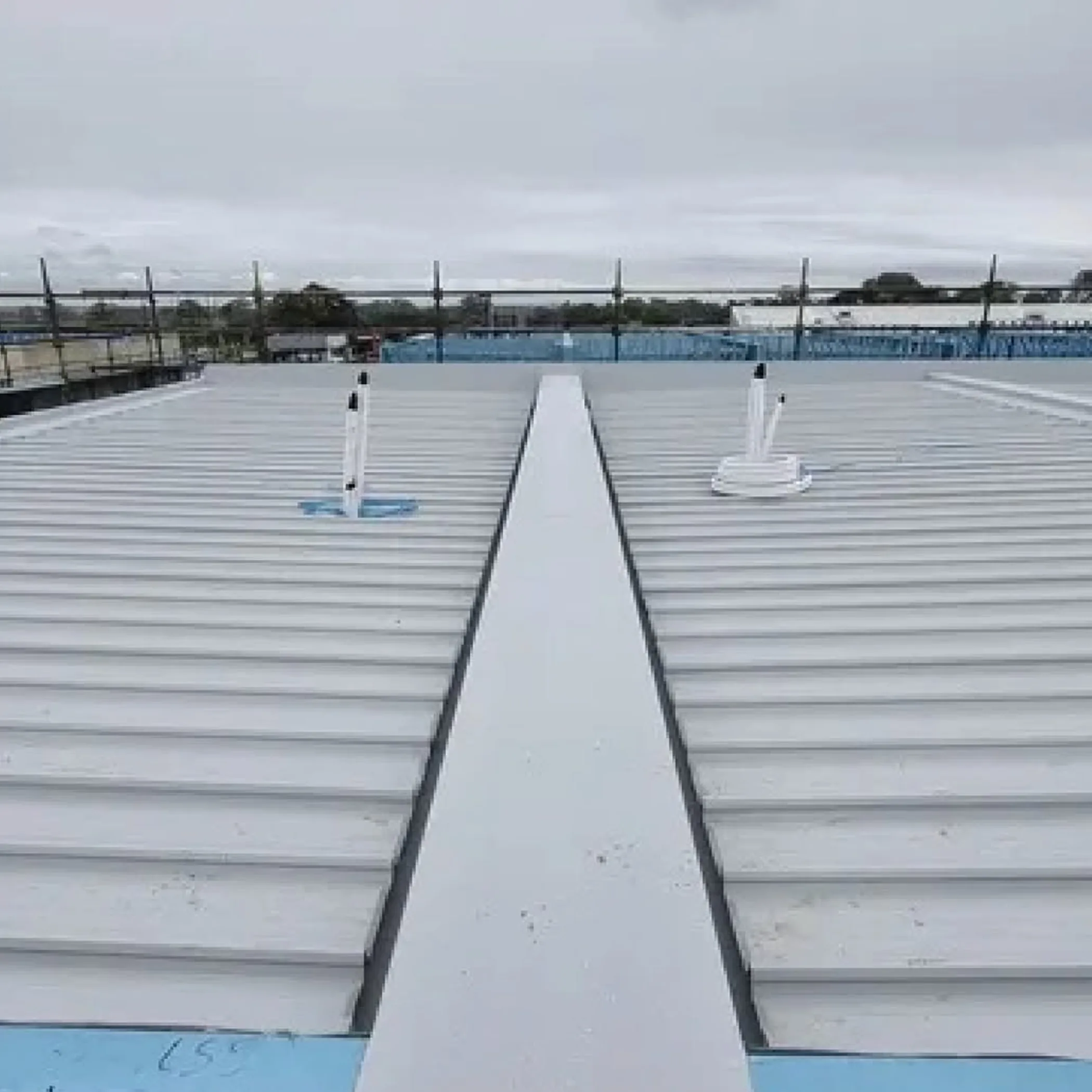
The quality of the installation, the material and the climate in your part of the country are what determine a roof’s longevity. It is helpful to know that so as to put your money to good use, in Queensland or Tasmania or the flat lands of the interior.
Australia is a continent of highly varied climate zones according to the CSIRO and the Bureau of Meteorology. That is the case for having a local approach to roofing by region instead of a one size fits all maintenance policy. The Bureau puts out official Australian climate information which makes for a sound reference in gauging seasonal risks and the like.
Climate Zones Tell The Story
Tropical or monsoonal conditions are the norm in the north, bringing intense wet seasons and cyclones along with protracted heat. The east and coasts have their share of storms, salt and humidity; down south it is cooler with more wind, frost and the odd temperature swing. Then there are the western and inland districts with their dust, low humidity, severe storms in places and large daily temperature ranges under a hard sun.
All of this has an effect on lifespan across the country. You might have a roof in the tropics dealing with moisture and biological growth, or one in an arid spot that is clean to look at but has taken a lot of UV and thermal stress.
Wear and Tear from the Weather
It is rarely a matter of one spectacular storm doing the damage to an Australian roof. More often it is the accumulation of small stresses: a screw comes loose, a tile cracks, a valley is blocked or a flashing joint concedes to the next downpour.
Homeowners are apt to think a roof only warrants attention when they see water inside. At that point the insulation, timber or electrics may already be compromised. An inspection will show up trouble while it is still easy to put right.
Sun Heat And Thermal Stress
Painted metal can be faded or chalked by UV radiation breaking down the coating over time. The cycle of heating and cooling puts fasteners, sealants and joints under strain. Darker roofs will take in more of the heat, but colour is not the whole story; the pitch of the roof, shade and ventilation also come into play. Inland, where hot days give way to cool nights, the thermal stress can be quite persistent.
Rain, Wind And Moisture
Gutters, valleys and flashings are put to the test by a heavy fall of rain. Debris can impede the flow and let stormwater work its way under sheets or tiles to spots that appear bone dry from below.
Wind will do its damage too, lifting sheets and ridge capping and shifting tiles. Wind-driven rain is a particular nuisance for getting sideways beneath laps and unsealed penetrations. Where cyclones are a possibility the design and fixings must be up to the task and checked of course, to stand up to the pressure and flying debris.
Organic Growth, Humidity And Salt
Shaded areas with high humidity will stay damp and put on moss, lichen or mould. Such organic growth can be slippery underfoot and hold moisture to the tiles or obstruct drainage.
Add in the coastal climate and you have salt. It is not uncommon for unsuitable metal in the form of screws, gutters or flashings to rust and corrode. Even a few streets from the beach the air can be laden with enough salt to call for a more regular wash and once over.
Roofs In Northern Australia
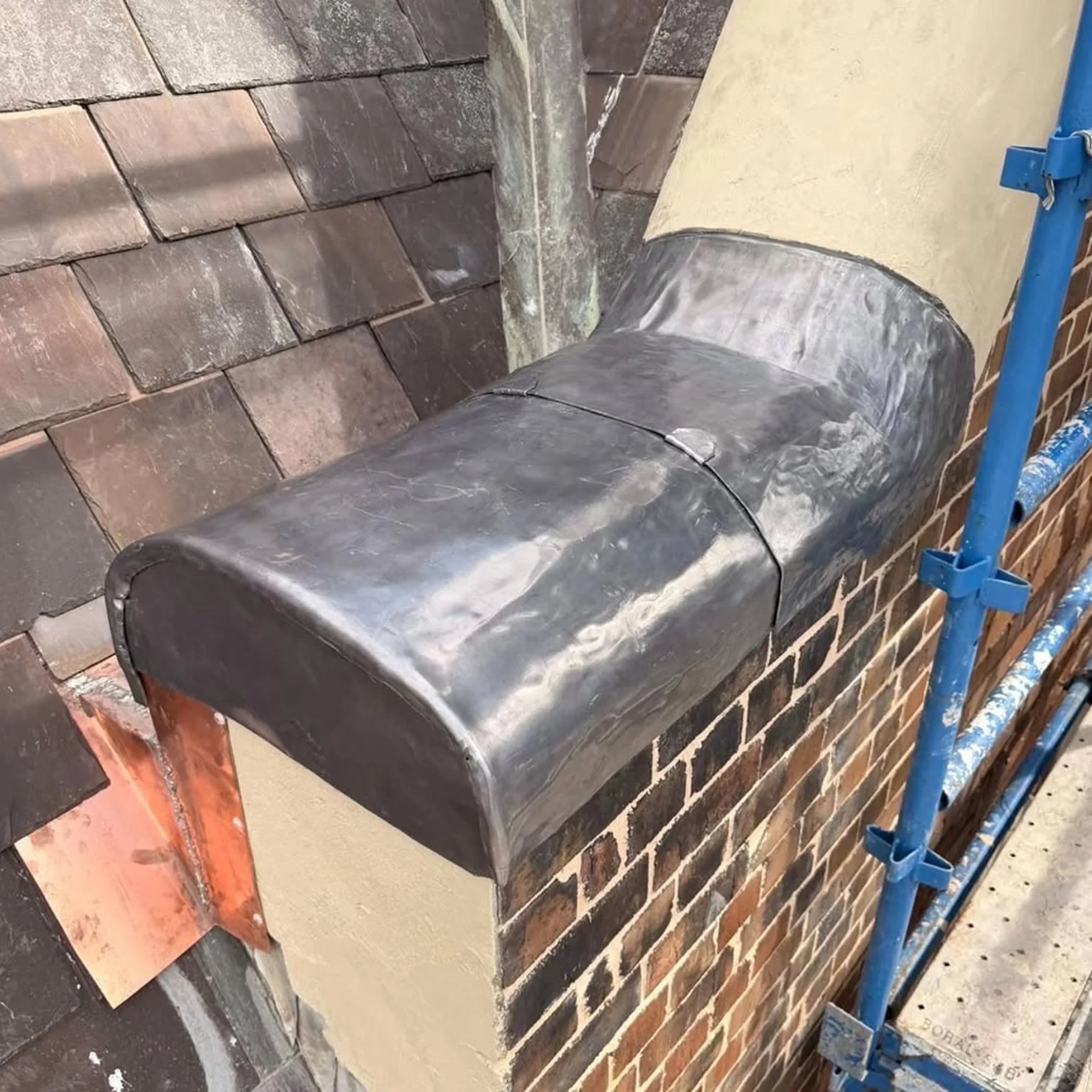
The heat and humidity of Northern Australia, to say nothing of the heavy rain and seasonal storms, put roofs there to a test. A few hours in the wet season is all it takes for an insignificant flaw to show itself; come the dry months the UV and heat have ample opportunity to take their toll on any surface left open to them.
Cyclone warnings are of prime concern in the Top End and northern Queensland between November and April, though one would be well advised to heed the day’s warnings and not put too much stock in an old calendar by the dunny given that conditions will differ with the season and where one is.
Tropical Roof Risks
In a tropical setting one can expect corrosion, the failure of fasteners and some wear and tear at roof penetrations. Where ventilation is wanting, condensation will set in and the insulation in a damp roof space will not perform as it should.
Then there is the matter of gutters. Before the wet season sets in, downpipes, box gutters, valleys and the like must be unobstructed. It only takes a small blockage during a brief storm to create water features inside the home that were not on the agenda.
Cyclone Preparation
An inspection of the roof prior to cyclone season is in order to see to the sheets, tiles, ridge capping, flashings, tie-downs and any fixings on view. Put away anything loose on the property; in high winds a piece of outdoor furniture or some unsecured material is as good as debris for the roof.
When a storm has passed, resist the urge to go up on a roof that is wet or damaged. From the ground one can spot if a gutter is hanging or there is water getting in. For repairs, especially if there is structural damage or electrical services to contend with, engage a roofing professional who is licensed and has the proper insurance.
Eastern Coasts
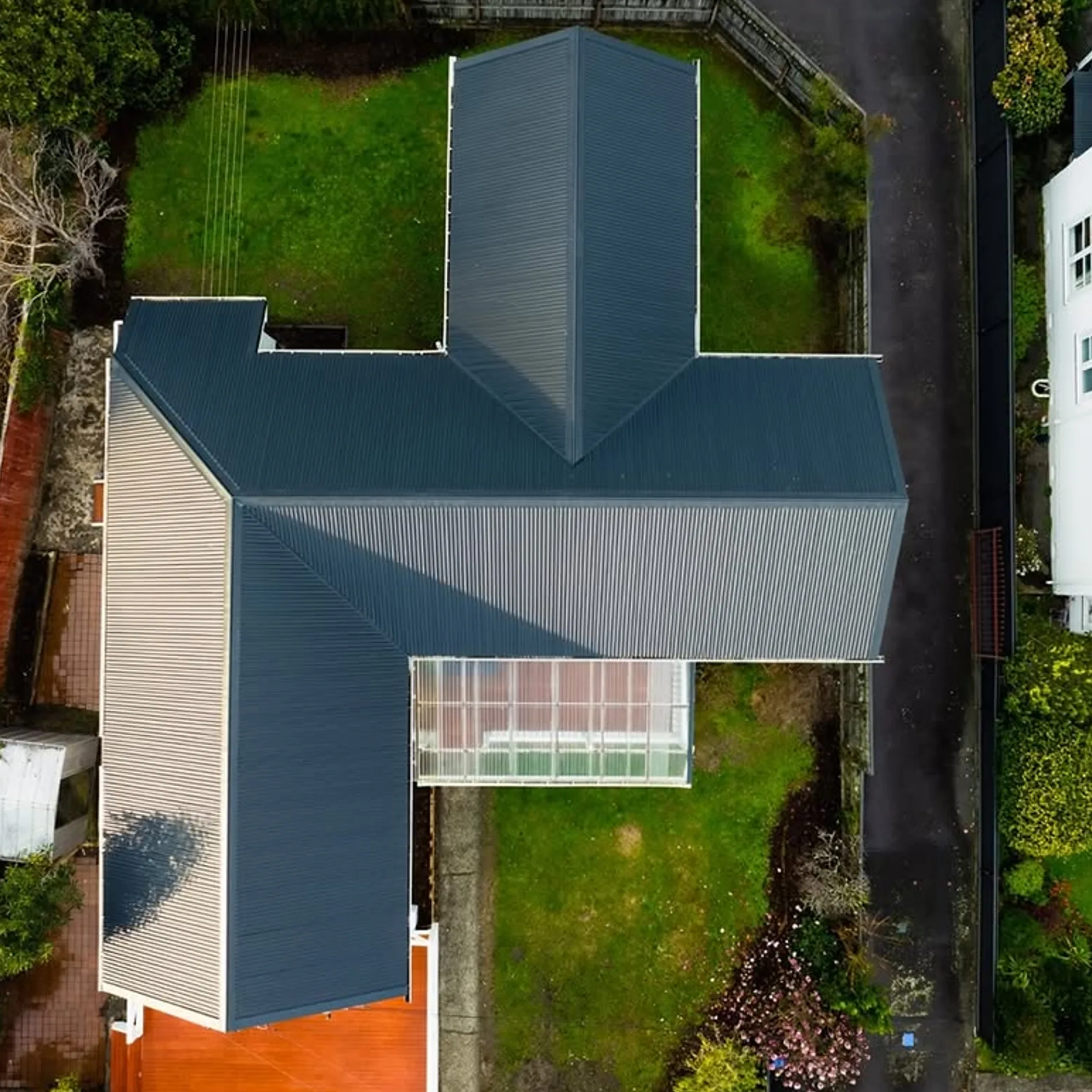
With its sizeable population and no shortage of weather, eastern and coastal Australia sees many a roof contending with salt air, thunderstorms, hail and the odd bit of humidity. The subtropics and strong sun in Brisbane and elsewhere in Queensland will hasten the ageing of sealants and coatings.
Metal roofs in the coastal strip can be deceptively hard put to it. Corrosion may be starting on a poorly protected dissimilar metal or around the edges of a fastener while the rest of the roof looks fine. An inspection now is less costly than to find rust has got under the coating later on.
Subtropical Storm Exposure
Rather than a steady drizzle the subtropics tend to give you your rain in intense bursts, putting the strain on stormwater systems and gutters, particularly on older drainage or where there are several valleys.
A dent in a sheet of metal or a cracked tile from a branch or hail does not automatically call for a new roof, but exposed metal and compromised coatings should be looked at without delay. Water needs only a path, not a hole.
Salt Air And Maintenance
Proximity to the coast means more regular inspections and a good freshwater rinse compared with what is done inland. Do not use cleaning methods that are unduly harsh and might dislodge a protective coating or get water under the laps and flashings.
In considering a new roof coating, enquire as to how it stands up to salt, the elements and heat. No amount of paint is going to make up for a job of poor substrate preparation or a failed flashing.
Southern Australia
One finds different issues in the south: frost in certain districts, cold mornings, the wind and the rigours of a wet winter, not to mention bushfire and the change in temperature. Shaded parts of a roof in Hobart and other Tasmanian locales can stay damp, whereas further inland a hot summer gives way to a cold night.
For the most part a temperate climate roof will fail in a slow fashion. It is not until the winter rains make short work of a weak point that one realises there was moss or lichen at play, or a blocked gutter, for seasons on end.
Cold Wet Weather
Mortar bedding and pointing at the ridge capping can be undermined by constant wetting and drying. Frost will do its worst to any crack in a porous material where water has seeped in. There is no need to assume every one is due to the frost but visible deterioration should be assessed before the next spell of wet.
Ventilation is a good way to deal with condensation but it has to be in keeping with the building design and insulation. Should dampness manifest on the underside of a sheet or at a penetration, find out why instead of just wiping it up.
Bushfire And Wind
Where bushfire is a possibility, tending to the roof is part of the wider preparations for the property. See that the vents, ember guards and materials are as they should be for the site and in line with local rules. Keep the gutters free of leaf litter and overhanging branches in check.
Windy weather can work on ridge capping and tiles even in the absence of a major storm. A look from the ground afterwards is prudent, but do not let a couple of undisturbed tiles lull one into thinking all is well below.
Roofs In Western Inland Areas
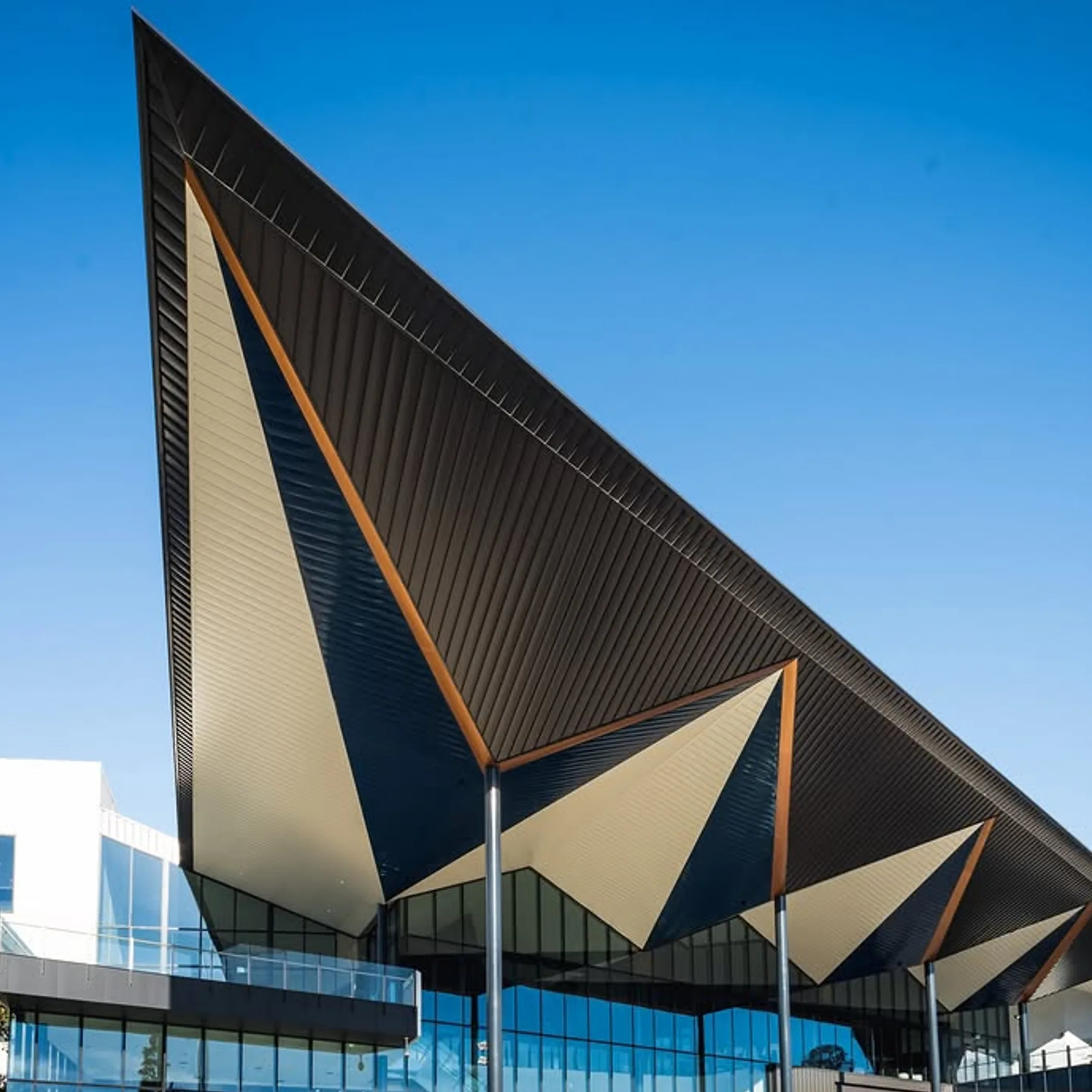
Conditions in Western and inland Australia are as varied as the terrain, from the coast of the west to the Pilbara and on to the Red Centre. One will find intense UV, dust and heat in arid climes, not to mention wide temperature swings; out on the western coast there is also salt, winter rain and a good wind to contend with.
Make your way over the Gibb River Road in May and the landscape will tell you something: it does not take dramatic weather to be hard on materials. The unrelenting sun and heat put an exposed surface to the test in a quiet way, akin to a roof left in the open with no shade to speak of and a long memory.
Arid Heat And Dust
In arid country the effective life of plastic parts, sealants and coatings can be eroded by the UV and the heat. Gutter and valley dust will mix with what little heavy rain comes along to make a compacted mess of drainage. Metal sheets and fixings are put under strain by the temperature changes. Inspect for any movement at penetrations, chalking or faded coatings, loose fixings and sealant that has gone brittle. Low rainfall figures do not mean a roof is free of maintenance needs.
Western Coastal Corrosion
Homes on the western coast have the same salt-air problems as those on the east. Add in the airborne pollutants of a port or industrial zone and corrosion risk goes up. A glossy label is no substitute for the right material and a job well done with compatible fixings.
Do not confine a roof inspection to the main expanse; check the flashings, downpipes and gutters too. That is where water and salt tend to pool and corrosion will make itself known at the edges and joints.
Roofing Materials By Region
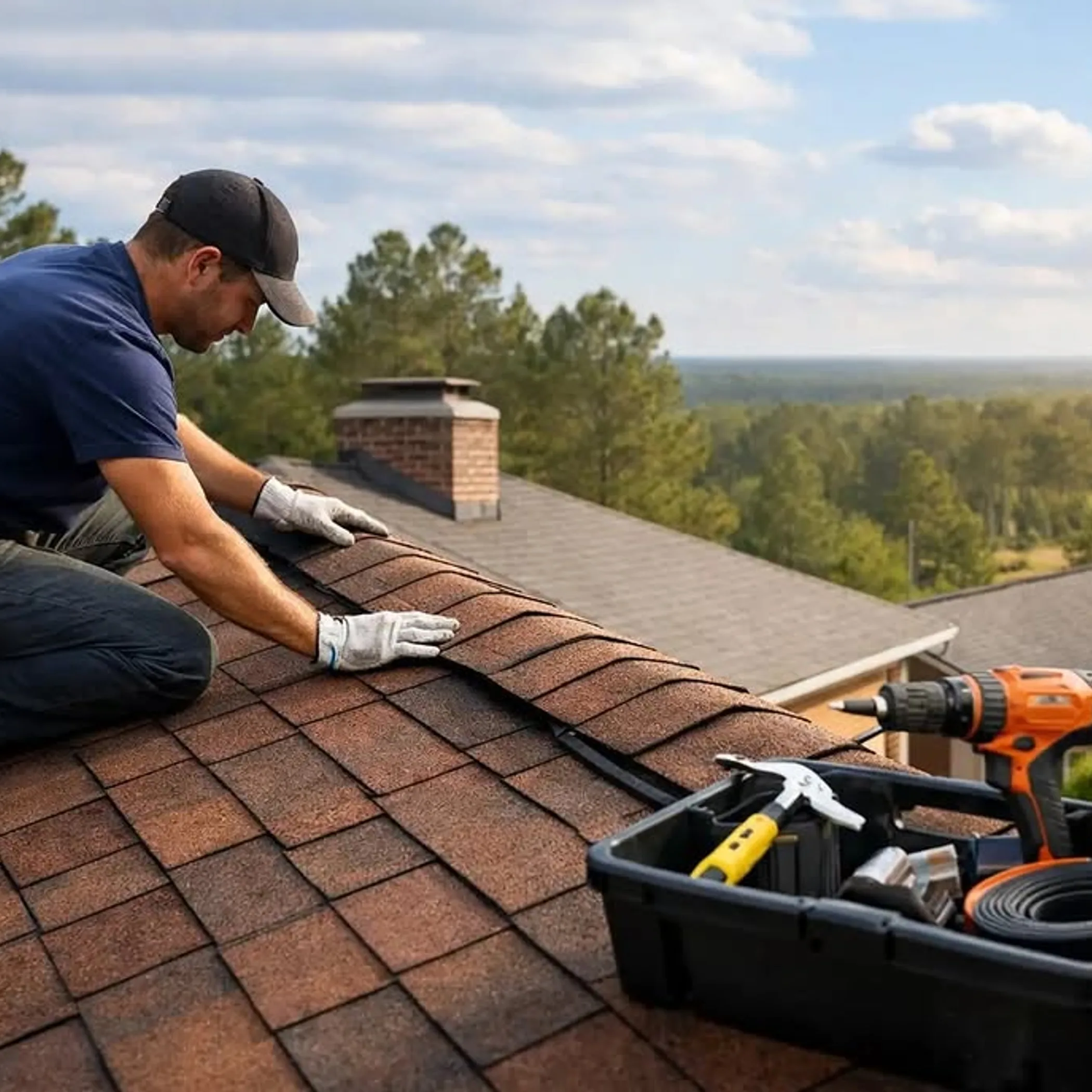
There is no single roofing material that is best for all occasions. It is a matter of the building’s location, how well it is ventilated and installed, the pitch of the roof and the local weather.
The table is for planning purposes only, indicative of service-life ranges and not to be taken as a guarantee. Performance will differ, and in a cyclone-prone coastal area one may have to put in work sooner than with the identical material in some sheltered part of the suburbs.
| Material Or System | Indicative Service Life | Best Performance Conditions | Main Regional Risks |
|---|---|---|---|
| Colorbond and like coated steels | 20–50 years given proper specification and upkeep | Where there is good drainage and regular checks on the coating, with fixings to match | Cyclones, scratches, thermal stress, coastal corrosion |
| Concrete tiles | 30–50 years (maintenance may be called for before then) | Stable tiles, sound battens and ridge capping in order | Storms, lichen, moss, a tile or two going astray and cracking |
| Terracotta | 40–60 years if you install and maintain them | Good drainage, a suitable pitch and solid bedding | Wind, age and broken tiles or a flashing giving way |
| Sealants and roof flashings | Tend to be shorter-lived than the covering | Replace without delay on signs of deterioration; install correctly | Stormwater, corrosion, UV and movement |
It is easy to confuse the life of the roof covering with that of the system as a whole. Tiles might still be there but the underlay, gutters or fixings need to go. They age together, though some members of the team will be the first to call in sick.
Extend Your Roof’s Working Life
Across Australia a maintenance plan that takes the weather into account is preferable to waiting for a leak. Simon has a rule after his time in a Melbourne weatherboard cottage of sorts: let a small job go and it will cost you. The roof is no showpiece but it is there to protect everything else, so give it some thought before it makes its displeasure known through the ceiling.
A regional checklist
- Put the roof through its paces following any high winds, hail or cyclone.
- Clear the downpipes, valleys and gutters ahead of the wet season.
- Be on the lookout for rust, damage to the coating, failed sealant, lifted sheets and any tiles that have slipped or are missing.
- Before the weather turns put away anything loose outside and cut back overhanging branches.
- Look for any sign of damp insulation, condensation, mould, staining or daylight in the roof space.
- Should the roof be steep, wet, in a delicate state or otherwise hard to get to with safety, have a professional do it.
How often one cleans will be dictated by local exposure; a home in the coastal, humid or deep shade is apt to require more frequent care than a dry one further inland. The roof cleaning timing guide can be put to use to factor in the weather, material and safe access when planning a clean up, as opposed to just picking a Saturday at random.
Careful Repair Or Replacement
In Australia the case for replacing a roof is made on condition rather than age. Widespread defects, recurring leaks, an underlying structure that has been compromised or extensive corrosion are all indications that repair is no longer good value and replacement is called for.
A written assessment is advisable to put urgent safety matters in their proper perspective from cosmetic ones. A quote of $30,000 or so should be put under the microscope: compare the area of the roof, the material, what is entailed in way of access, structural repairs, scaffolding, gutters, disposal and insulation. One cannot judge if a price is fair on the basis of the figure alone.
Some Answers To Common Questions
Matters of personal safety, property value and climate tend to come up in Australian roof questions. “It depends on the site” is the truth of it, though the following will make the reasoning clear. This is general information, not a replacement for an inspection on the ground where construction standards, storm history and roof design can make all the difference.
Where Is The Safest Place?
With the changing climate there is no such thing as a universally safe location in Australia. It is a question of heat, flood and bushfire risk, cyclones, water security and infrastructure, and where the property sits. A home in good order away from hazards can be safer than one in disrepair in a city of mild repute.
Is $30,000 Excessive?
Not in every instance. For a large roof or one that is difficult to work on, the need for scaffolding and full replacement of the roof, gutters and insulation can make a $30,000 bill reasonable. A small job does not warrant it. Make sure you have itemised quotes and know what materials and work are part of the deal before you commit.
Greatest Risk By Area?
There is no one region in Australia with claim to all the climate risks. You will find cyclones and tropical rain on the northern coasts, flood danger in low-lying country, heat and bushfire in the south and east and, in the interior, drought and severe storms. The hazard being measured will determine the level of risk.
Best Climate In Which City?
That is a matter of taste. Hobart is to the liking of some who want cooler climes, Brisbane to others who can put up with the humidity and storms for the warmth. Then there is Melbourne, Sydney, Adelaide, Perth and Canberra with their own mix of wind, rain, fire and coastal effects. As far as the roof’s durability goes, a well-drained, sheltered site with upkeep is as important as the city.
Inspection Schedule
Any visible damage, movement, ceiling stains or corrosion, or a leak, calls for a professional to have a look, as does severe weather of any consequence. An annual check is common among homeowners, with a bit more scrutiny ahead of the high-risk season locally. In leafy suburbs gutter maintenance may have to be done more than once a year to keep the drainage clear of leaves.
Weather And Longevity
The two go hand in hand in Australia but the climate is not the only arbiter of a roof’s fate. With the right material, ventilation and installation, and repairs done in a timely fashion, a roof will give years of service in most regions.
In short, inspect for the risks your climate is wont to produce. On the coast it is salt and humidity, in the north the wet season and cyclones, in the south the wind and damp, and inland the UV, thermal stress and heat. A roof is not something to fuss over daily but someone needs to be on hand to see when it is looking as rough as guts.