
The premise of the 2026 Winter Home Maintenance Checklist for Australia is straightforward: nip small things in the bud so they do not become costly repairs when the cold and wind set in. Simon Redcliffe’s guide to what an Australian home requires is all about the essentials; be it roof drainage, air leaks or putting the heating and pipes in order to keep mould at bay.
Then again, there are no two ways about an Australian winter. You may have to put some thought into draughts and heating in a Melbourne cottage whereas a Queensland property calls for stormwater checks and ventilation to deal with the dampness. Frost can be an issue for exposed plumbing and on the coast salt will hasten corrosion. For more guidance, see preparing plumbing for winter. Take this checklist as a point of departure and tailor it to your home and the climate you live in.
Roof, Gutters And Downpipes
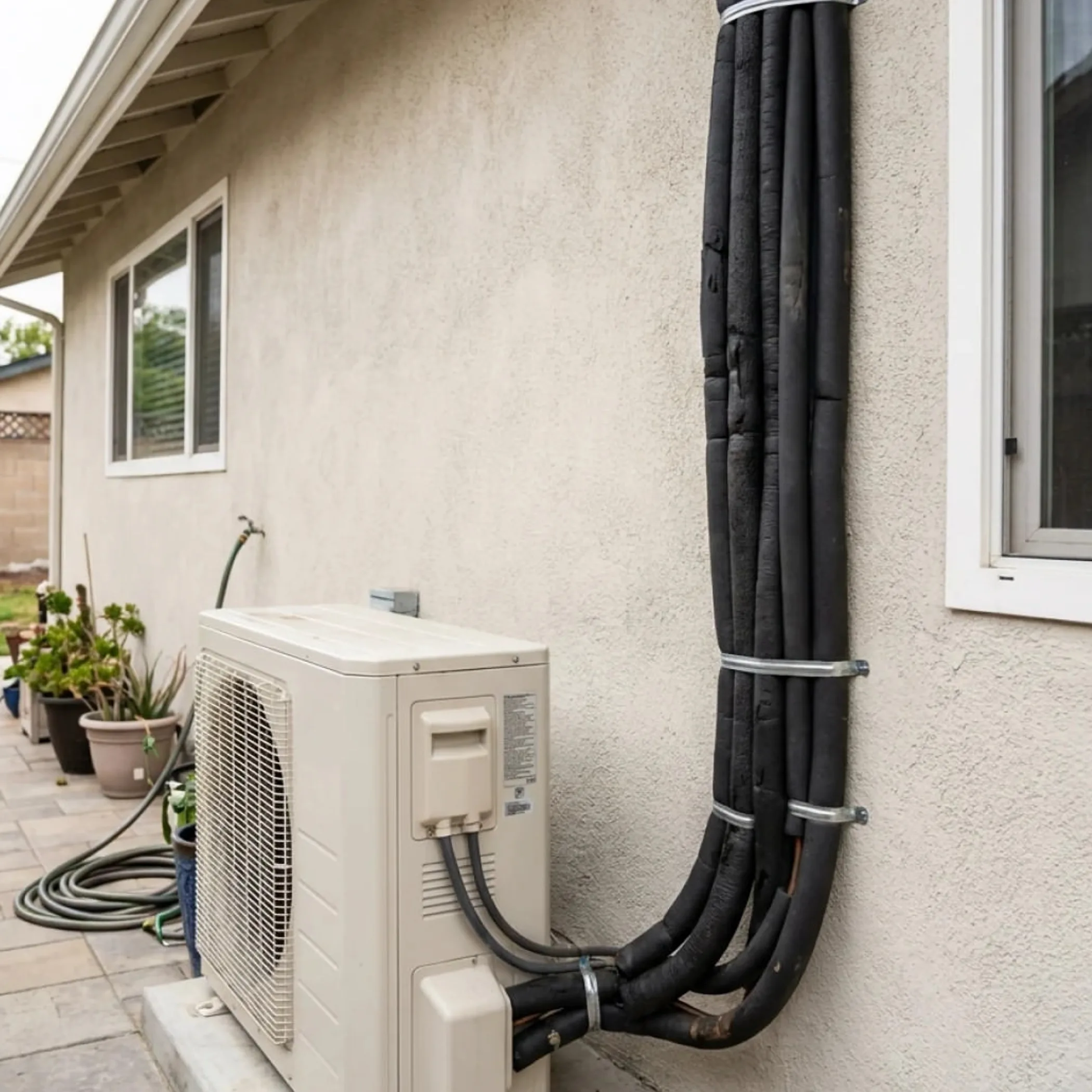
Your roof and its drainage are the first line of defence from water damage in winter. Leave a gutter clogged and the rain will make its way down walls and under foundations and into ceilings; by the time you get round to fixing it the bill has taken on a life of its own.
Get the inspection done ahead of any serious winter rain. Should getting on the roof be hazardous, put in a call to a roofer who knows his trade instead of trying to balance on a ladder like a possum bent on self-destruction.
Put An End To Leaks
Have a look over the tiles, sheets, valleys, ridge caps and flashing for anything loose, missing or cracked. In the roof space check for rusty nails, daylight, stained insulation or damp timber. Water has a habit of following the framing before it shows up inside so these tell-tale signs are not always where the leak is coming from.
Examine the sealant at chimneys, vents and skylights and other penetrations of the roof. Put in new sealant if the old has lifted or shrunk. There is no point in painting over a leak and calling it a day; that is mere cosmetics, not maintenance.
Make Sure The Drainage Is Clear
Remove the grit, mud, leaves and nests from the gutters and downpipes. See that the downpipes are well connected and put the water some distance from the building. Mulch or garden furniture should not be obscuring the stormwater grates.
After a good soaking, go and have a look at the ground. Any pooling next to the walls is undesirable. If a downpipe is discharging near the footing, a licensed professional can advise on an extension or connection for your property.
Windows, Doors And Draughts
There is no use in heating a room if uncontrolled air is making it chilly by the floor or doorway. A bit of sealing here and there will see to comfort without having to put in new windows across the house.
Concentrate on the living area, the office and bedrooms where one is most aware of heat loss.
Hunt Out The Cold
Take a walk around on a windy day and put your hand to the door frames, sashes, skirting and service penetrations. A piece of tissue will show you if the air is moving. Old floorboards and ceiling access panels warrant a closer look as well.
Weather stripping on doors and windows should be in place and worn seals on external doors replaced so they shut hard against the frame. A door snake will do for a floor gap in the short term but it does not mend a threshold.
Heat Loss
Let the sun in on a winter day but put the curtains or blinds up at night. Resist the urge to block weep holes, fixed ventilation or combustion-air inlets in the name of stopping a draught. One does not want a carbon monoxide or moisture issue for the sake of a few degrees. YourHome has some sound advice on energy-efficient design and whether you would be better off with a heating upgrade or some insulation.
Heating, Insulation And Ventilation
Do not wait until the morning to find out the heating is in need of a check. After months of inactivity filters can be blocked or airflow restricted and you will not want to be told the technician is fully booked for weeks come winter.
Insulation puts the warmth where it belongs, ventilation takes care of stale air and moisture. They go hand in hand; if you seal up a damp room and do nothing for the humidity you are only confining the problem.
Prepare The Heating System
If the appliance is making odd smells, is slow to warm the room or noisy, book in a service for the system. Follow the manufacturer’s guidance in cleaning split system filters and make certain there is no impediment to the airflow of either the indoor or outdoor units.
Indoor use of an outdoor heater, generator or barbecue is not to be countenanced in the home, garage or any enclosed verandah. With portable heaters, put them on something stable and keep a distance from furniture, curtains and bedding. Put the appliance off before you go to sleep unless its safety controls are made for unattended operation.
Insulation And Airflow
A look at the roof insulation will reveal any dampness, compression, pest activity or gaps. One should not force it up against flues, downlights or the like unless the installation and product are suited to it; in doubt, have a licensed installer do it.
When cooking or after a shower, put the exhaust fans in the kitchen and bathroom to work. Be sure they are venting to the outside and not into the roof space. It does no harm to open a window for a while when one can; winter air is cold but without some exchange a house will turn musty and damp.
Smoke Alarms, Detectors And Fireplaces
With the greater reliance on fireplaces, electric blankets and heaters in the winter months, a thorough check of the home’s safety is warranted. A flat battery in a detector or a flue that has not been seen to in years are small oversights with the potential for serious consequences.
It is best to attend to this before the first fire is lit. Tenants would be well advised to familiarise themselves with state or territory regulations and put in a report to the property manager on any faults without delay.
Safety Devices
Go through each smoke alarm and press the test button, putting in new batteries if the model allows. An alarm past its service life should be replaced as per the expiry date. See that nothing is in the way of the alarms, be it high shelving or paint.
Where gas or other combustion appliances and wood heaters are present, carbon monoxide detectors are of particular importance. They are no substitute for a good flue, proper ventilation or having the equipment serviced by a professional. Should an alarm go off, vacate the building and do not return until it is safe; contact emergency services as required.
Fireplace And Chimney
Regular users of the fireplace and chimney should have them inspected, all the more so if they have been left to disuse for a time. Examine for nesting material, loose mortar, heavy soot and any cracks in the firebricks or damage to the doors. Combustibles are to be kept from the hearth.
In a wood heater only dry and fit firewood should be used; timber that is painted, treated or damp will leave deposits and a lot of smoke. Put a guard around an open fire and put your firewood some distance from the walls to avoid moisture and pests.
Plumbing, Hot Water And Outdoor Taps
Homeowners tend to put off plumbing maintenance in the winter and come to regret it. An exposed pipe can let out a great deal of water before a burst is noticed and a slow leak will see to the ruin of flooring and cabinetry.
The sensible approach is to inspect and act quickly, not wait for a dramatic leak. Make a habit of checking the valves, hoses and connections that age quietly.
Pipes And Taps
There may be green or white corrosion on the taps, staining at the pipe joints, a drip here and there, or cupboards and floors that are damp or swollen. Have a look at the washing machine and dishwasher hoses, flexible tap connectors and under the hot water system.
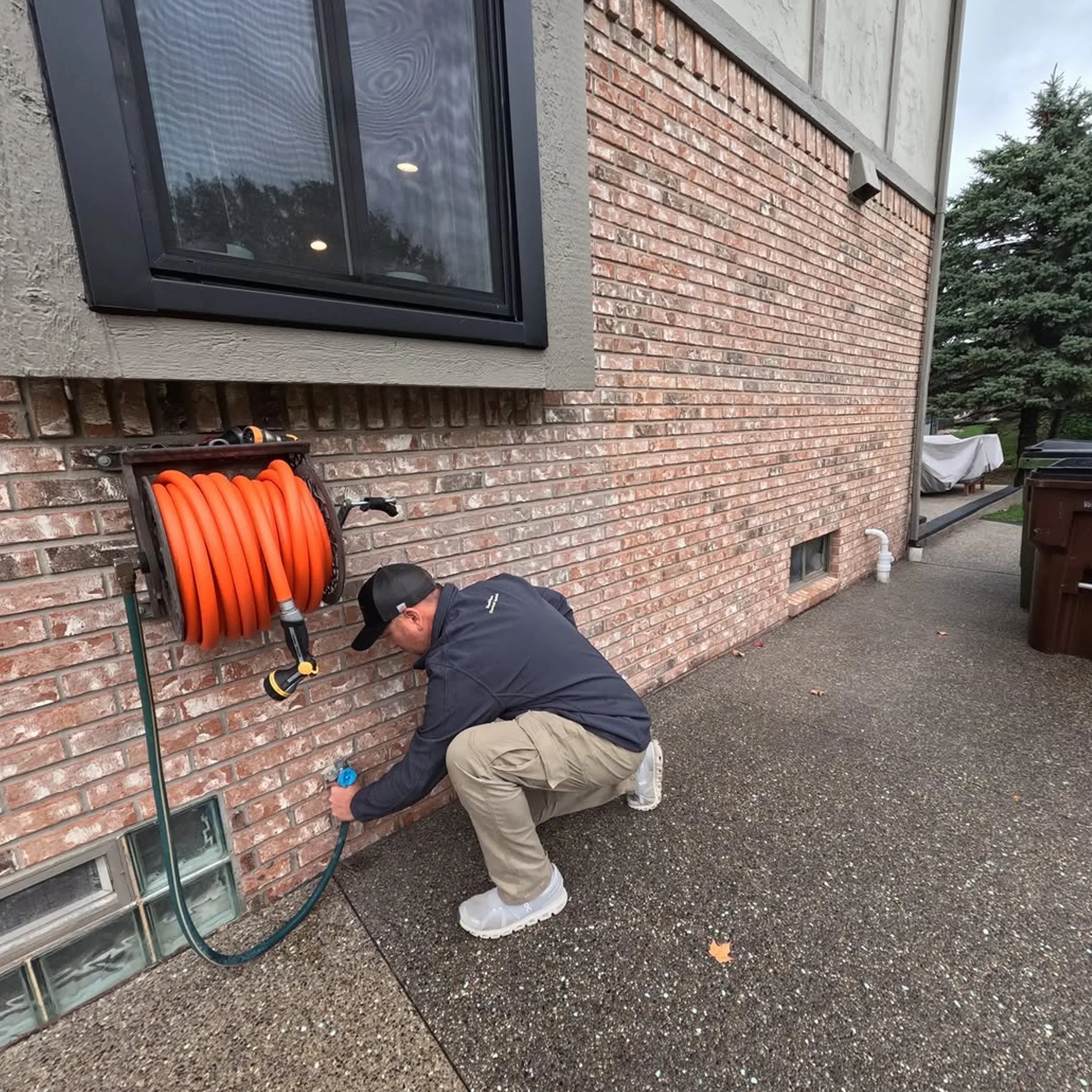
If you are in an area subject to frost, insulate what pipes are exposed and take garden hoses off the outdoor taps. You should know where the main shut-off valve is and be able to get to it. A frozen pipe is not to be thawed with a naked flame. In the event of a split or hard to reach location, turn the water off and engage a licensed plumber.
Hot Water System
Any pooling of water, rust, odd noises or leaks at the hot water system should be noted. Leave the pressure-relief components alone and do not clutter the space about the unit. Any repairs, changing the temperature or replacement is a job for a licensed plumber.
See if the hot water is coming to the taps as it should. Discolouration, a drop in supply or an abrupt change in temperature could be a fault in the making and not just the demands of winter.
Dampness, Mould And Water Damage
Poor airflow and moisture are a recipe for mould and dampness. Leaking roofs, condensation, wet clothes put to dry inside with little ventilation, rising damp and an overflow in the gutters are the typical causes.
One has to improve the airflow and dry out the materials by eliminating the source of the moisture. To spray a stained wall and ignore the leak is as futile as mopping the floor with the tap running.
Control Indoor Moisture
Showering and cooking are times to put the exhaust fans to work. Put in the effort to dry off any wet surfaces right away and do not have furniture butting up against an outside wall that is cold. Let air get around your beds and wardrobes by leaving some room.
A morning routine should include a look at the sills and window frames for condensation; make sure to wipe it up so as not to let water seep into the plaster or timber. Should you find condensation is a constant, one might be better served with better heating control, insulation or ventilation in the home than to just put more elbow grease into the wiping.
Water Damage: What to Look For
Bubbling paint, discolouration of a new kind, soft plaster or a mustiness in the air can be found on floors, skirting boards, cornices and ceilings if you check for them. Note down when such changes come about and put them on camera. A good maintenance record will put you in a position to see if there is a pattern with rainfall, temperature or use of the plumbing.
Do the same outside, looking over the drainage by garden beds, paths and retaining walls. Weep holes must be left open and mulch or soil kept under the damp-proof course. There is no point in repainting recurring stains every winter when the source of the damage may have been concealed for months.
Make the Checklist Fit Your Climate
Homeowners in Australia would be well advised to have a maintenance checklist that is in keeping with the weather of their area, given how much conditions can differ from one part of the country to another in winter. One has a different set of tasks in Hobart than in Darwin, and a house on the coast is subject to corrosion risks an alpine dwelling is not.
Rely on what the house shows you, be it a corner gone damp or a gutter that has a mind to overflow at the worst time, as well as local forecasts and building history.
Tasks and Conditions
| What tends to catch people out | Prioritise | What catches people out |
|---|---|---|
| Cool southern cities and inland locations | Mould control, draught sealing, roof insulation and heating | Blocked roof ventilation and condensation where furniture is placed |
| Alpine and frosty regions | Exposed pipes, taps and roof drainage | Ice putting undue weight on gutters and frozen water lines |
| Coastal climate | Fasteners, window seals, gutters and roof flashing | Salt air weakening metalwork before it is apparent |
| Northern NSW and southern Queensland | Drainage, roof condition, ventilation and stormwater paths | Heavy rain laying bare drainage faults hidden in drier times |
| Top End and tropical northern areas | Air conditioning filters, mould and wet-season drainage | Humidity and cooling systems continuing to need attention |
Even though winter is for the most part the dry season in northern Australia, cooling systems and dust still call for some attention. Cyclone work is a wet-season affair of its own but any defects in the roof or drainage ought to be put right on the spot. Then there is the Red Centre and The Pilbara where sealants and roofing can be put to a test by wide swings in temperature.
Winter Home Maintenance Checklist (Printable)
When time is short and there is only a day to spare, the first order of business is to deal with active leaks, any drainage blockages, exposed plumbing, the safety of the heating and smoke alarms. They are the ones that pose the most risk and may turn up work for a licensed trade.
An inspection of a typical home could run to a few hours, but factoring in repairs, getting on the roof and having a professional service things done will put several days on the job. Make allowances for hard to reach roofs or forecasted rain and for drying time. As for cost, a quote will be as site-specific as the property and location, so do not be guided by some generic number on the internet.
- Tend to the gutters and downpipes, and have a look at the stormwater grates and drainage.
- Any cracks, rust, stains or daylight on the roof and flashing should be put right as part of an inspection.
- Make sure door and window seals are in order; one can seal off a draught but do not impede necessary ventilation.
- Put in new weather stripping if it is worn out and see if the skirting boards are letting in air.
- Give the split system filters a clean and put in for a service on the heating system if called for.
- Roof insulation is to be checked for dampness, pests, gaps or any unsafe proximity to fittings.
- Do not forget to test the smoke and carbon monoxide alarms and note the expiry date.
- Before you make use of the fireplace and chimney, have them over and clear away any soot or nesting material.
- An examination of the hot water system, indoor and outdoor pipework and taps is in order.
- Be on the lookout for condensation, mould, water damage and the like from the plumbing.
- As for electrical, gas, roofing or plumbing, book in the licensed tradesman. Make a record of any defects and take photos.
Frequently Asked Questions
When putting together a winter maintenance plan these are the questions I am asked most. In brief: attend to water, heat, fire safety and airflow in that order.
What Are Important Winter Checklists For Homeowners?
You will want to cover roof drainage, plumbing, mould, insulation, draughts, leaks, the heater, smoke alarms and the fireplace. If there is a burst pipe, a leak in the roof or a heater that is not safe, those are to be your priority given the cost or danger involved.
What Belongs On An Australian Home Checklist?
There are general tasks and then there are ones dictated by the climate. In Australia that means gutters, downpipes, roof flashing, exposed pipes, hot water, outdoor taps, dampness, ventilation, weather stripping and heating filters. A home in the alps demands more scrutiny of its exposed plumbing, whereas in coastal areas you would add checks for corrosion.
What Ten Jobs Will I Regret Forgetting?
For the most part they are the same ten: sealing draughts, clearing out the gutters, an inspection of the heaters and roof flashing, testing the alarms, cleaning the split system, looking at the fireplace flue and hot water connections, protecting the pipes and seeing what is behind a ceiling stain or early mould. The regret comes not from the job but from waiting too long once the signs are there.
Can I Get A Free Winter Home Checklist?
The one in this article is free to print up for a room by room check or copy to your notes app. You may wish to add a column for the date, the defect, what action is to be taken and if you need a professional.
Should I Do The Work Myself?
A homeowner is quite capable of the visual side of things, removing debris from the gutters at ground level, some basic sealing and filter cleaning. But leave the gas, structural, roofing, plumbing and electrical to the licensed expert. And where you cannot get to the roof or ceiling space with any safety, do not make an emergency of a routine matter.
Finish Winter Ready
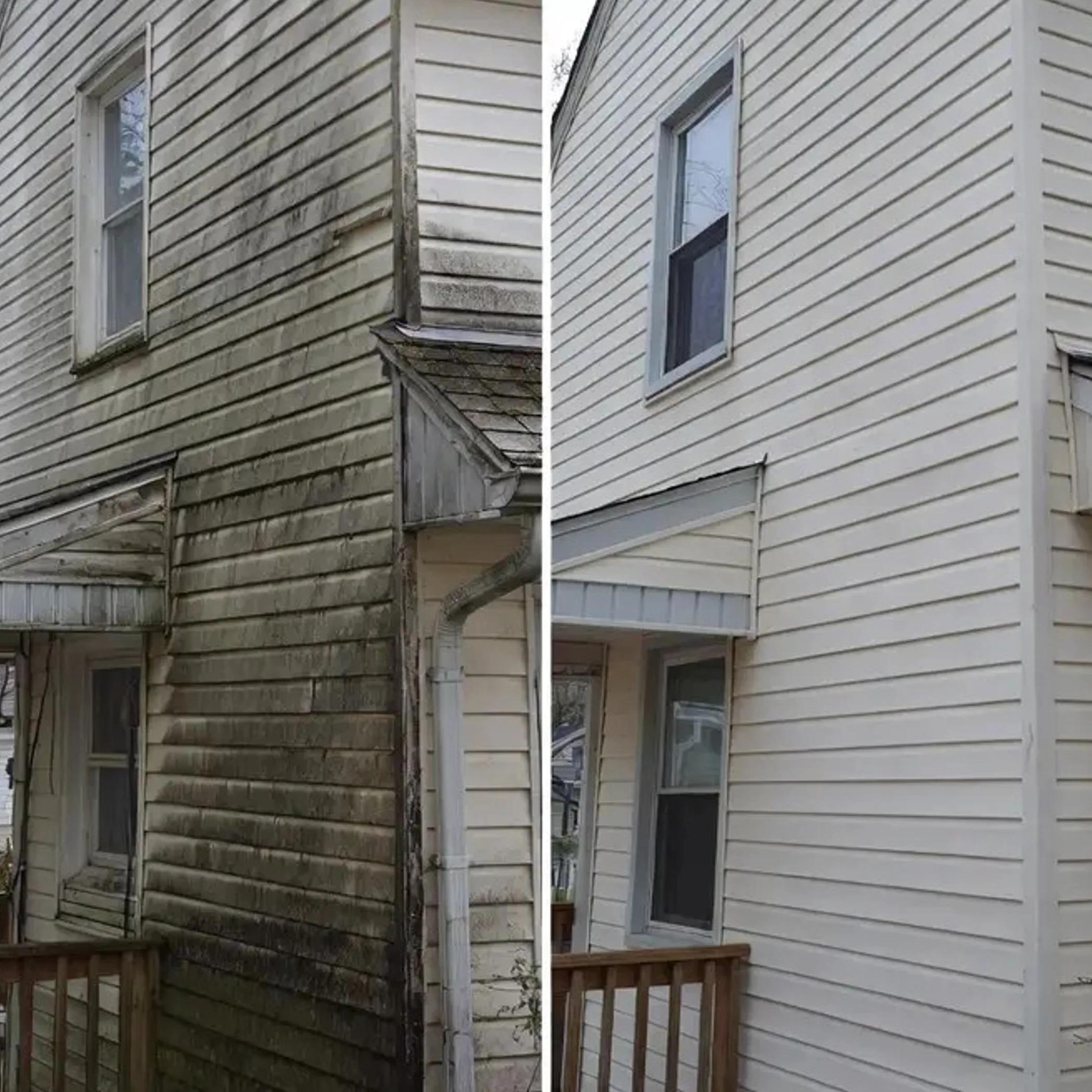
There is no need for a weekend of heroics, a sound maintenance regime is about being ahead of the problem. Before the weather gets up to its worst, go through the list and make a note of it, and call in someone qualified for anything beyond your skill or reach.
My crooked weatherboard cottage in Melbourne has shown me that a house does not just give way. It offers up hints in the form of a rattling window, a cold floor or a gutter with something of a grievance. Heed them and you will find winter is a good deal drier and warmer, and not so costly.