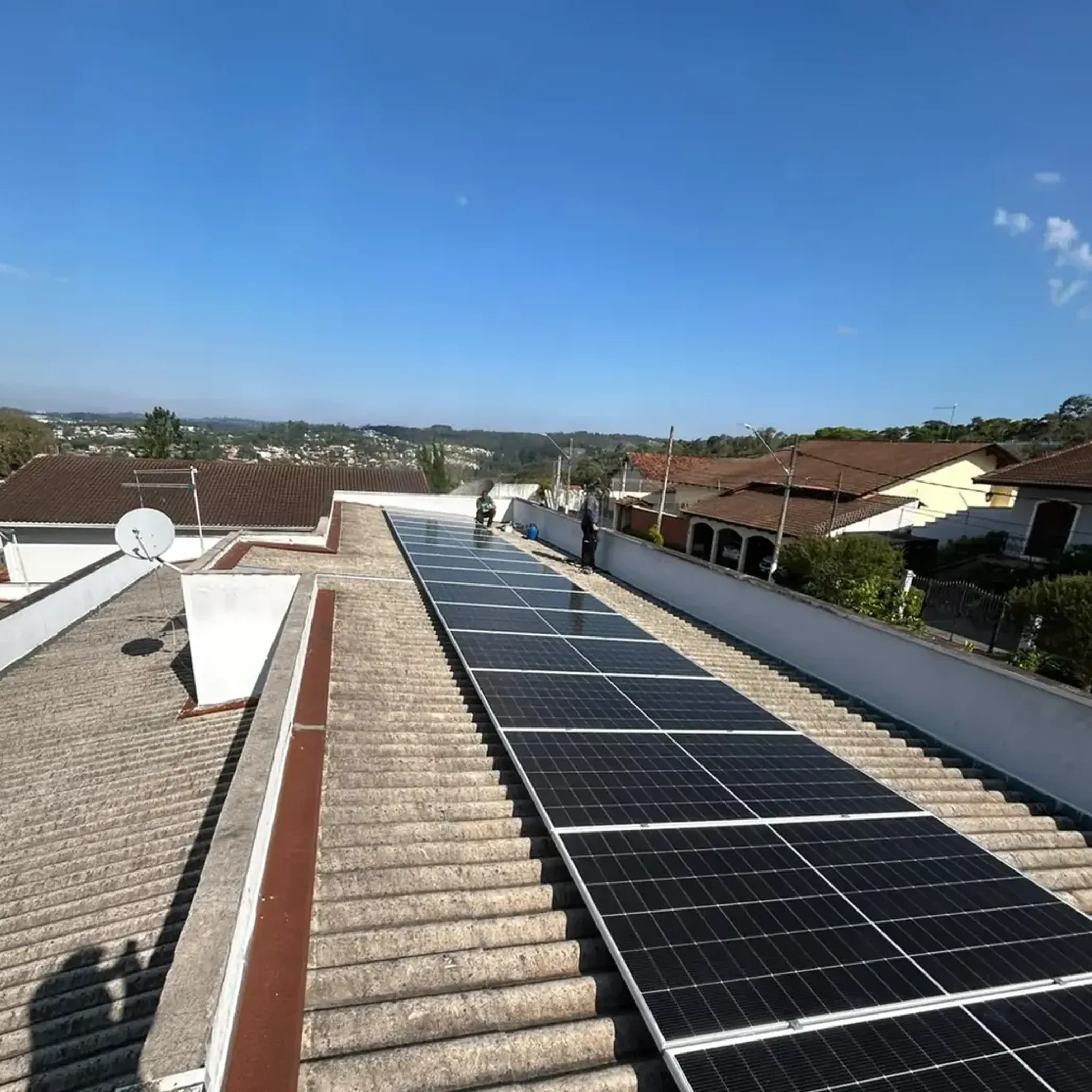
This guide from Solar Panel Maintenance Australia 2026 will tell you when a panel needs cleaning, what to be looking at and the right time to put in a call to a pro. A sensible approach is to make a point of an inspection every season, see to any dust or grime that is plainly having an effect on output and have a professional come out if there is a drop in energy or you spot water ingress, hot spots and the like.
I am Simon Redcliffe. One learns after some years tending to a draughty cottage in Melbourne that a small job left to one’s own devices can get very costly. The same holds true for solar. You can head off a major repair with a glance from the ground; put too much enthusiasm into climbing a slick roof and a Saturday task has become an emergency room visit. There is no need for it.
The Case for Seasonal Maintenance
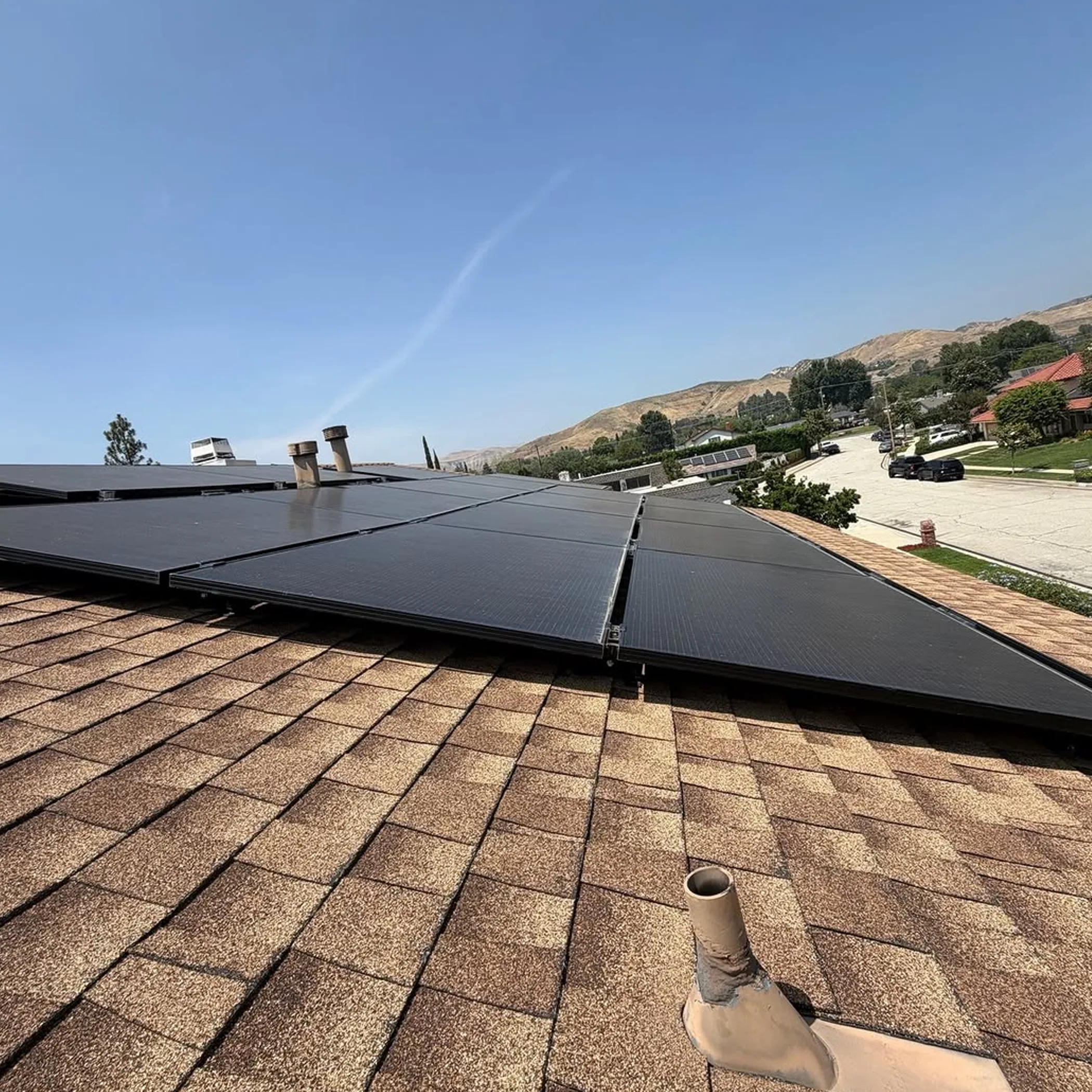
There is enough in Australia to test your solar panels: the heat, dust, salt spray, pollen, bird droppings and leaf litter, not to mention the storms up north in the wet season. Keeping up with seasonal maintenance and climate zone cleaning schedules is good for the efficiency and energy output of the panels as well as the inverter, mounting hardware and solar battery.
That said, clean panels are no surefire way of getting maximum generation. Performance can be compromised by inverter faults, network issues, ageing photovoltaic cells or even winter daylight and shade. It is better to measure up against your own monitoring logs than to put stock in some generic claim of percentage gains.
Put Your Monitoring Data to Use
Before you go for the hose, have a look at the inverter or your app. Put recent daily or weekly production side by side with what you had under comparable weather last year. A week of clouds does not make for a fault but a clear day with a steady decline in figures calls for some attention. Make a note of the date and conditions along with the output and anything amiss. An installer will find the log useful in distinguishing a real problem from normal seasonal things.
Summer
From about November through April the north will have its cyclone alerts and wet season to contend with and everywhere the sun is strong and roofs are hot. The idea is to do a visual check without making a circus of it balancing a bucket on hot roof sheets.
Make your inspection before the day gets at its hottest. See if there is any debris around the inverter or battery, scorching, animal activity, glass that is cracked or wiring on show.
On the subject of heat, storms and pests
A hot afternoon can put a temporary dent in output so don’t think the equipment has failed. But should you have an unexplained warning light or the inverter keeps shutting down, let a licensed electrician have at it.
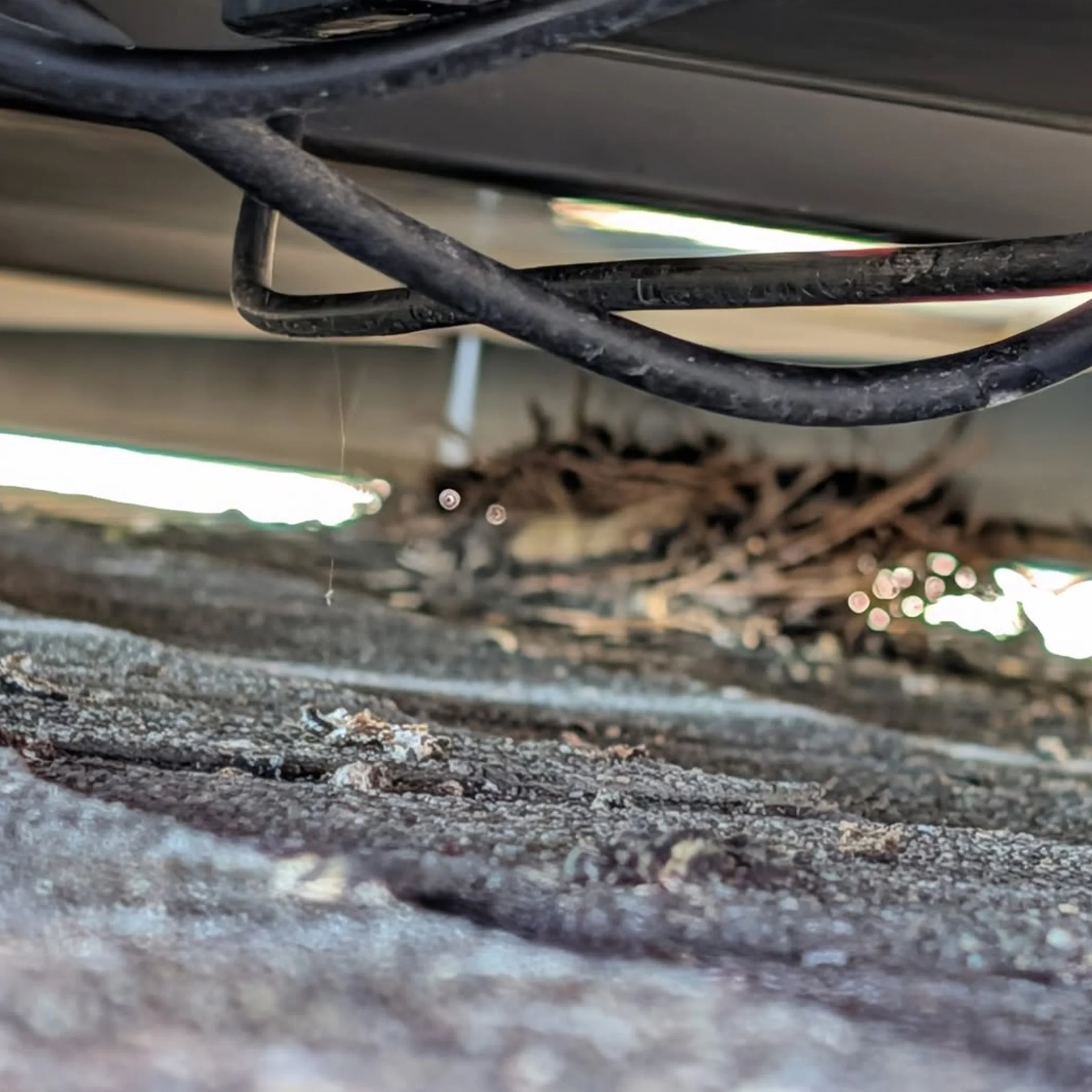
In the wake of a storm or hail, stand on the ground and check for loose flashing or a panel out of place. Where cyclones are a possibility, heed local advice and keep away from any damaged electrical gear if it is wet. Pests will nest in roof cavities and cable runs so be on the lookout. Bird guards are fine to stop them making a habit of it under the panels, provided they are put in without impeding drainage or crushing a cable.
For those in the Top End, northern W.A. or north Queensland, your checks will be dictated by the dry and wet seasons. In the Pilbara expect the dust to come in with the wind. Darwin and Cairns residents may find the rain has done the washing but also brought a chance of mould and leaf build-up.
Autumn
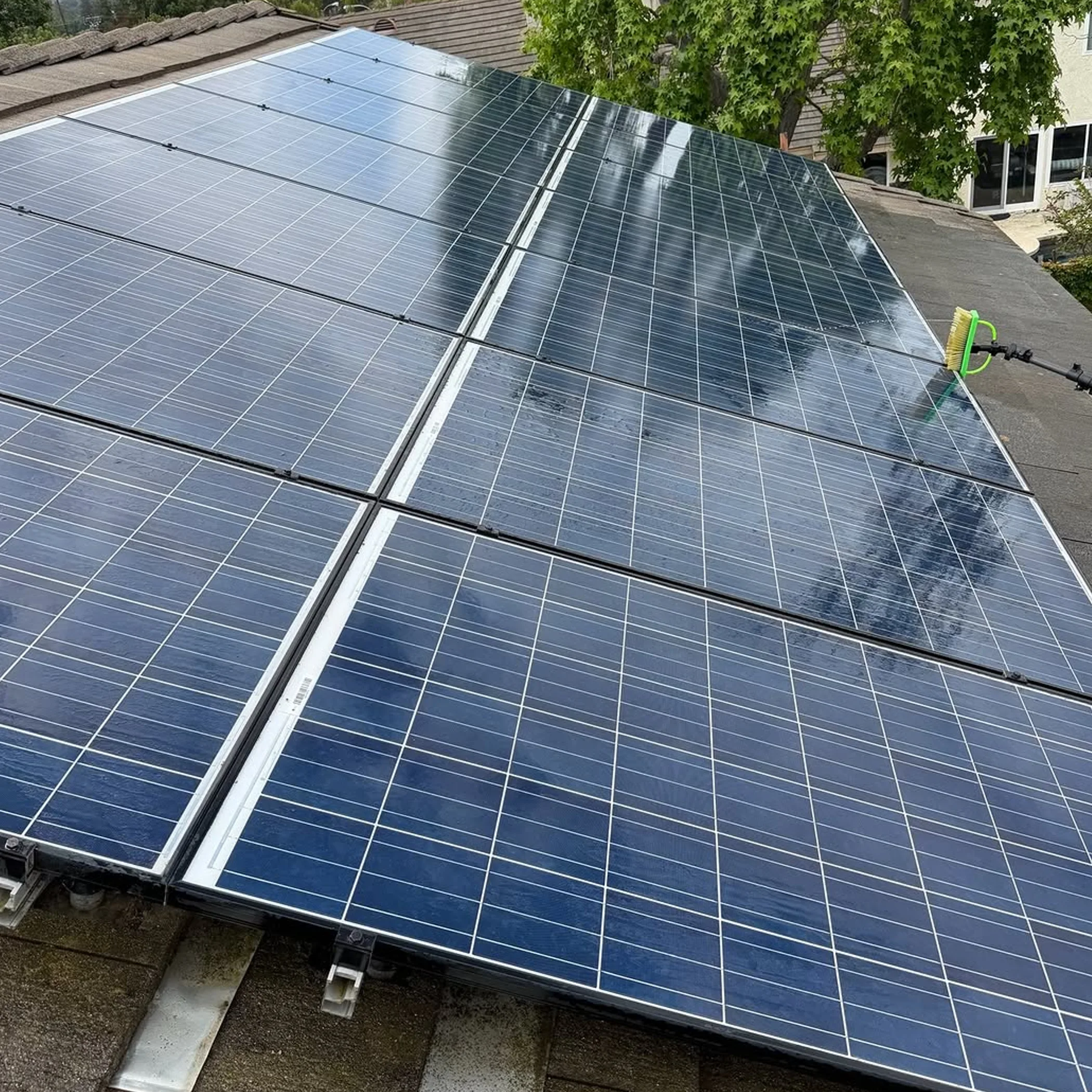
With milder temperatures and the detritus of summer storms in plain sight, autumn lends itself to a thorough cleaning. You might as well make sure the system is up to the task of shorter days and whatever the household is demanding of it.
Clear away any leaves from the vicinity of ground level apparatus and give the conduits an eye. Do not be tempted to open an electrical cover or heave on a wire; the panels will still be making power in the daylight with the main switch off.
Winter preparation
Moisture can be held by twigs and leaves against the seals and frames at the bottom of a panel. If you can get to it safely, put it right. On a steep or hard to get to roof, leave it to a professional and do not rely on a ladder and overconfidence.
It is also a good time to review the inverter and battery settings. Make certain the system is talking to the monitoring platform and the battery is not putting up repeated fault messages. Make a note of any error code; the technician will not find “it made a funny noise” to be of much use.
Winter Solar Panel Checklist
With the days shorter in winter and the sun at a lower angle, generation can suffer even if the panels are in good order. One does not need to put out the cleaning equipment on account of the cold, but output may be impacted by the rain, or in some inland localities frost and the sort of grime that lingers.
A cool morning is typically ideal for the job after a few dry days have passed, as long as the roof and access are secure. Put off any cleaning until conditions improve if there is rain, high winds, an electrical storm or excessive heat.
Watch For Lower Output
Put your winter production figures up against last year’s if you can. But do not look at a cloudless day in January and a July one with no sun and write off the system. Seek out patterns over a number of days with like weather.
While you are at it, have a look at the mounting hardware, conduit and cable clips for signs of movement or corrosion. In coastal zones salt spray will hasten the process so give them extra scrutiny. Harsh chemicals and abrasive pads are to be avoided on the frames and glass of the panel; any damage to the seals and coatings is more trouble than the salt film you set out to remove.
In the parts of Australia where snow and ice are an occasional visitor, metal tools are out of the question for scraping the panels. Consult the manufacturer or a qualified technician on how to go about it safely. The majority of Australian homes will not have to contend with this, but mountain conditions have a way of defying expectations.
Spring Solar Panel Checklist
For most households in Australia spring is when they will put their annual maintenance in order. From the ground one might not notice the grime from bird droppings, dust, pollen or the storms of the season, yet it is plain to see in the generation records.
Take the opportunity to go over the entire setup: the inverter, battery, isolators, monitoring connection and roof access as well as the panels. Should the system be performing in an erratic fashion, or if a professional has not been out since it was put in, now would be a sensible time to make arrangements.
Prepare For Stronger Generation
There is no point in cleaning unless the panels warrant it. A bit of dust is of little consequence, but thick bird droppings or sticky pollen will impede the photovoltaic cells.
When doing a low-level clean, a soft brush and low-pressure water will do, with a touch of mild soap made for solar-panel surfaces if called for. Give it a good rinse. Leave the pressure washer and strong household detergents alone; a pressure washer will drive water under seals and into areas where it should not be.
Over the week following a clean, the monitoring data will tell you if it was worth the effort, though the numbers are also subject to the vagaries of weather, shading and what the house consumes.
Climate Zone Cleaning Schedules
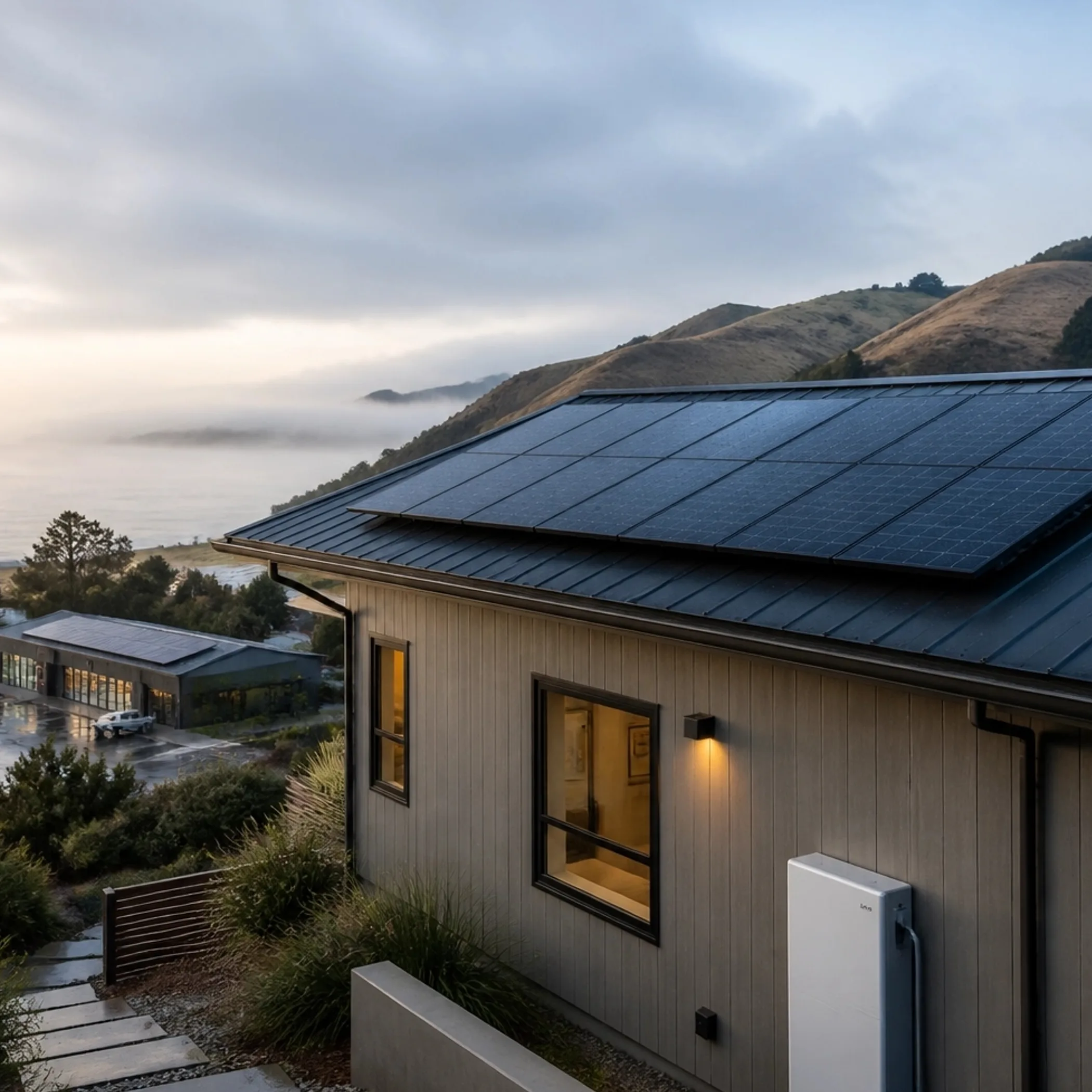
You will not get a definitive national view on how often to clean in Australia. What is called for on a suburban Melbourne street is not the same as a property in Queensland by the coast or a dusty home in the regions off an unsealed road.
The schedules below are to be taken as a practical guide. If the panels are under trees, close to the coast or in the path of a dust storm, the frequency should be higher.
| Location And Conditions | Starting Schedule | Main Contaminants | Priority Check |
|---|---|---|---|
| Southern cities and leafy suburbs | Inspect each season; clean when the dirt shows | Leaf litter, rain grime, pollen and bird droppings | Debris at the bottom edge of the panel |
| Inland and dusty regions | Monthly in dry times; clean as the case may be | Dust-storm residue, grit and dust | Any variation in output after a windy spell |
| Coastal areas | Seasonal inspection; more often if you see fit | Corrosion, salt spray and bird droppings | Cable fittings, the frame and mounting hardware |
| Wet-season northern Australia | Before and after the wet | Mould, nesting pests, leaves and debris left by rain | Water entry, animal activity and storm damage |
| Homes beside farms or trees | During high-debris months, inspect monthly | Droppings, leaves, pollen and dust | Rapid re-soiling and shading |
Think of it as a matter of how often to inspect rather than setting a date for cleaning. A large system, one with heavy contamination or a roof that is hard to get to may call for a professional to come around more frequently.
DIY Cleaning Or Professional Help
For a single-storey with safe ground access and panels that are not too soiled, DIY is fine. Not so when the roof is steep, fragile or more than one storey up, or if keeping three points of contact is not something you can do with confidence.
Any reputable solar panel cleaning service in Australia will have their safety process, insurance and the way they work put to you before they start. Put them to the test: find out if the technician is going to do a proper inspection of the mounting hardware, wiring and panels or simply give the glass a wash. They are not one and the same and the price should reflect that.
What Most People Get Wrong
It is an easy error to think rain has done its job. It will get at some loose dust but nothing more; mineral deposits, grime and bird droppings are often left in its wake. Then there is the matter of tackling the job in the middle of a hot day under the sun. The roof is no place to be then and the water dries so fast it can spot the glass.
I have seen a neighbour with good intentions go at a panel with a stiff broom from the house. The glass was cleaner to be sure, but you could tell the bristles had been dragging grit over it. Brute force is no match for a bit of patience and the right tools. After all, a solar panel is a piece of clever kit, not a verandah you would put to the scrub before company comes round.
Inspections, Costs And Safety

One does not clean the panels if one cannot get to them safely. There are live electrical components in any solar system and an isolator is not enough to render the whole thing harmless in daylight. For anything involving inverter or battery faults, damaged wiring, or an inspection where the panel must be removed, call in a licensed professional. On the subject of general roof work, Safe Work Australia has guidance on falls from height that should be heeded.
Making A Budget
The cost of maintaining your solar in Australia is dictated by your location, how many panels there are, the height of the roof and the state of contamination, as well as whether testing is part of the visit. You will pay more for a combined inspection and clean than for the latter alone, and a quote can be inflated by the need to repair corrosion or deal with a tricky roof.
Before the work commences, ask for an itemised figure in Australian dollars. Make sure the quote makes clear what is included, be it GST, travel, bird guards, replacement parts or electrical testing. Give a wide berth to cheap offers that put pressure on you for an immediate repair and have nothing to show for their insurance.
There is value in a professional’s eye if the inverter is throwing up errors, energy output has dropped for no apparent weather reason, storm damage has been done or there is an odd buzzing and crackling about the equipment.
Frequently Asked Questions

Homeowners planning their 2026 maintenance will come across these questions. The answers below are straightforward, though one should not forget local network rules and what the equipment manual says.
The 20% Rule
Do not be put off by talk of a 20% rule for solar panels in Australia; there is none. An installer may use the term for a shading or design calculation, or an export limit set by the electricity network. It is not a signal to put the hose on when output is down by 20%. Read your connection agreement and the like first.
2026 Rebates
With government policy and state programmes shifting, rebates and certificates are not to be taken for granted. A sales pitch is no reason to rush a new purchase. When it comes to maintenance, let safe operation and proven performance be your guide.
Cleaning Frequency
A season is a good time to have a look at the panels and put them right if pollen, salt spray or bird droppings are making themselves known on the surface or in the energy figures. Some properties, particularly those in coastal or dusty areas with a lot of trees, will want more regular attention than the once a year. Your monitoring logs are a better judge than any national schedule.
When To Clean
Spring and autumn tend to be more agreeable, with milder temperatures and less seasonal debris. A cool morning on a dry roof is ideal, provided access is safe. Do not try to make headway in strong wind or on a wet or very hot panel.
Does Rain Suffice?
Not really. Oily grime and salt residue are not something rain will shift. If the data looks unusual or the panels are still dirty, put in for some professional advice. But do not go climbing on a wet roof to see what the weather has missed.
In Short
The routine is not complicated. Record the output, watch for warning signs, get help for any electrical or roof risk and clean as required. It is a way to keep the inverter, battery and wiring shipshape without making a hobby of it. For the Australian homeowner the message is plain: do not wait for nesting pests or a storm to make things costly and consider safety integral to the upkeep of the system.
SEO Metadata