
NT Dry Vs Wet: A Guide
For the short version of this guide, the dry season is what most will opt for. From May through October one finds lower humidity and roads that are not an issue to get around, making for a straightforward trip. Then there is the wet season, November to April. For Darwin seasonal timing advice, some planning is needed to accommodate the heat and the odd road closure; it can be a fine time to be out for the waterfalls in full flow and the storm action and dramatic skies, not to mention the absence of other people.
I am Simon Redcliffe and I prefer to be practical about it, no need for the brochure talk. The dry season in the Northern Territory means peak touring conditions and logistics without a hitch in Darwin, Katherine and some of Kakadu National Park. Go in the wet and you have the Top End in all its lushness and volume, but you may also find yourself with a drenched pack and a track shut down, instilling a healthy regard for the BOM.
The Simple Answer
It comes down to whether you value comfort or drama. Most will fare better in the dry, though some like to put a romantic spin on the wet and not think about how the humidity and lack of access are on the ground.
There is a trade off to the whole question of the Top End’s wet and dry. In the dry you have the tourist season and open roads, a swim in a safe place is easy and you can run your itinerary as planned. The wet has its monsoonal rains and greener country and fewer visitors to share it with, but you take on more uncertainty and risk; Plan A is likely to become Plan C.
A Glance At The Key Differences
You might as well put the basics before you to avoid any headaches when you are weighing up flights or having a fantasy of a tinnie on the river. A good price on a ticket is of no use if the walking track is closed or the road is flooded.
Below is a table of sorts for Darwin, the Top End and the routes to Katherine and beyond. It is meant to be practical, not poetic, and exact conditions will have their weekly variations.
| Factor | Dry (May–October) | Wet (November–April) |
| Temperature Ranges | Milder nights and warm days, more to your liking for a camp or a walk | On the hot side to very hot with sticky nights, prone to heat stress |
| Humidity | Kept low for the most part, June to August in particular | Extreme at times, particularly in the build-up and monsoon |
| Rainfall | Not much of it in the Top End | Where you get the bulk of the year’s rain, and in some heavy bursts |
| Getting Around | More reliable on sealed and unsealed alike | Flooding and creek crossings can put a stop to your plans |
| Kakadu | Visitor areas are reliably open | Safety restrictions and closures can limit what you can do in the wet |
| Waterfalls | Fine in the early dry then they taper off | When they are at their best |
| Wildlife | Spotting is easier at the shrinking water sources, good for a croc cruise or the birds | Lush and active for the birds but not as easy to get to |
| Crowds | At its peak | Fewer of them about, some deals to be had |
| Trip Style | First-timers, families and those driving themselves | Photographers and the like who are prepared to be flexible |
In Reality
The calendar is of some use but does not convey the experience of getting out of the car. In the wet in Darwin the air is like a hot damp towel put over your face, a brief jaunt to the dunny and your shirt is soaked with sweat.
Most would say the dry in Darwin is as an easy Top End trip should be. There are cooler evenings and blue skies and you are not left wondering what the weather will do next, which is convenient for putting together a long day on the Stuart Highway or around Katherine.
What To Expect In The Dry
From May to October is the easiest window. You will still see some green and waterfalls doing their thing in the early dry of May and June. But come the late dry of August to October it is browner and dustier, and the roads and tracks are as dependable as they are going to get. The misconception is that “dry” is synonymous with cool. In the Northern Territory you can be as hot as you like, particularly in the shoulder months or once you put some distance between yourself and the coast. So make sure to pack for the sun and long hauls and the prospect of dehydration, do not just plan for postcard weather.
Wet Season
From November through April one has the build-up, monsoon and what is left of the wet. The green season puts on a fine show in the Top End with its monsoonal rains, electric storms and rivers in spate; it is an alive sort of country the late dry is not.
But to think the wet is merely “a bit rainy” is to miss the point. Disruption is part of it. One should consider flooding, roads and campgrounds off limits, tours put back or aircraft rescheduled and little access to the more out of the way places as normal rather than some anomaly.
Timing it right
To forestall picking the wrong month for your purposes, here is how it breaks down. Many will tell you they are after “the dry” but mean the early dry, shunning the dust and crowds of the later version.
Take Darwin for instance: May to July is the practical choice for most, August is no slouch but you will find it busier, then comes the heat of September and October. From November the wet is for those with a flexible streak who value scenery over a tidy itinerary.
May to July
The likes of this is where most will want to be. The humidity is in retreat, the roads have had time to mend after the wet, there is still good flow to the waterfalls and being outdoors is more agreeable. For a first time in the Top End and the best odds of things running to plan, make this your starting point.
August to October
You are in prime dry season territory in the NT but there is stiffer competition for hire cars, accommodation and tours, and the heat will be more pronounced as the period wears on. Then again the wildlife viewing is top notch when the animals are drawn to what water is left, if the landscape is not quite so lush.
November to January
There is the build-up to contend with here, the kind of sticky heat and humidity that gets to some before the heaviest rain makes itself known. It is not for everyone but a storm chaser or photographer with no objection to altering plans can have a very good time of it.
February to April
The wet is either at its peak or running down. Rainfall figures are high and in the north one has to be mindful of cyclone risk. The landscapes are vivid and dramatic enough to make up for it, provided you can get where you are going.
Roads, parks and the like
Your season is only as good as the road you are on. An unsealed track or floodway that is no trouble in July may be shut or treacherous in January. Do your homework with the Bureau of Meteorology weather and warnings and the relevant NT reports prior to any excursion into the Top End. As Simon Redcliffe would put it, an itinerary hinging on a remote road holding open in the wet is a flimsy one.
Kakadu and Arnhem Land
Seasonality is writ large in Kakadu National Park. You might be confined to the major sealed routes and certain sites in the wet for safety’s sake, whereas the dry affords you more latitude and less head scratching when self-driving. With Arnhem Land you need to be more exact in your planning, permits and operator schedules being what they are. Do not count on last year’s conditions being the same in Aboriginal land or elsewhere; verify what is required from Darwin before you set out.
Katherine and the area
A good place to be for a bit of inland driving and Top End touring, yet the seasons have their say. A map may indicate a two hour drive in the wet but local flooding and low-lying crossings will put paid to that and add detours and safety checks to make of it a long day.
In a season of its own
It is better to align the season with the kind of holiday you are inclined to have. There is no virtue in thinking one season is capable of doing everything well. Both the wet and dry have their merits, it is a matter of knowing them.
For the self-sufficient, for caravanners and families or a first-timer in search of dependable seasonal pursuits, the dry is what one wants. There are national park circuits to be done, camping, a croc cruise or some birding, a fishing charter with better access, an untroubled cultural tour or a long detour for a pub lunch that will not be put at risk by the weather.
Should your time in Darwin be limited to a day, make it a sensible excursion on sealed roads where you can put in a good return before dark. While the dry makes for easier parking and access, do not expect popular haunts to be empty in school holidays or when there is a major event on; they are as full as a sardine tin.
The Wet: Where The Atmosphere Is
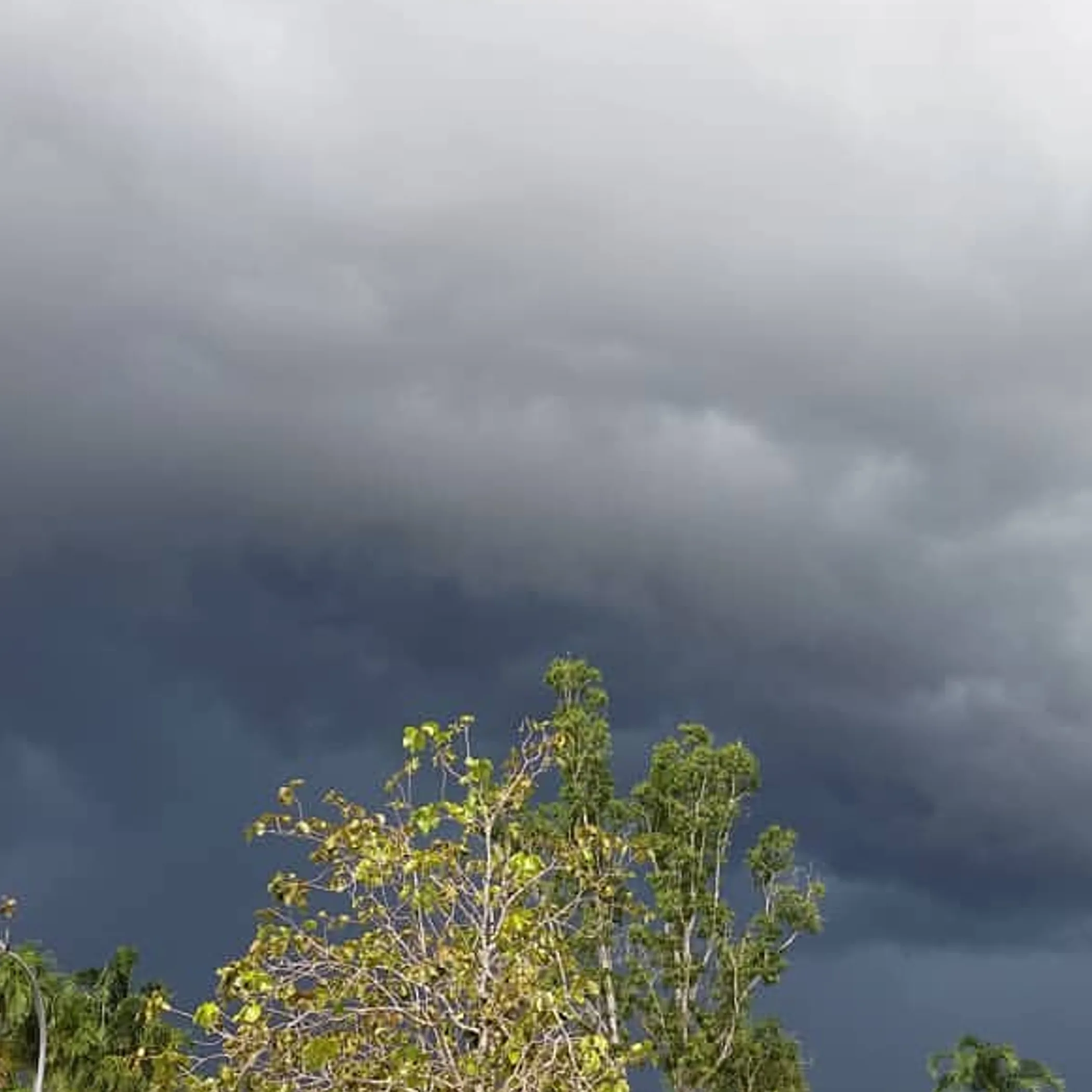
Here is where the more pliable photographer or repeat visitor will find his mark, as will those who do not mind forgoing certainty for a bit of mood. You get the waterfalls in full flow, the green country, wetlands run off and skies to match. One only appreciates the cinematic quality of the Territory after viewing the Top End beneath a monsoon sky.
Then again, the physical toll is what gets people. A walk is all the more arduous in the humidity. Your gear is damp, shoes will not dry out, mozzies are brazen and you will spend more time on an errand than you would like. If being hot and sticky is not your idea of fun, do not let a low airfare talk you into the wet.
No Drama, Just Safety
Respect the conditions in the Northern Territory and it is no trouble, but casual assumptions are met with consequences. It is not merely a matter of comfort, seasonal risk has a bearing on vehicle recovery, communications, the roads and your timing.
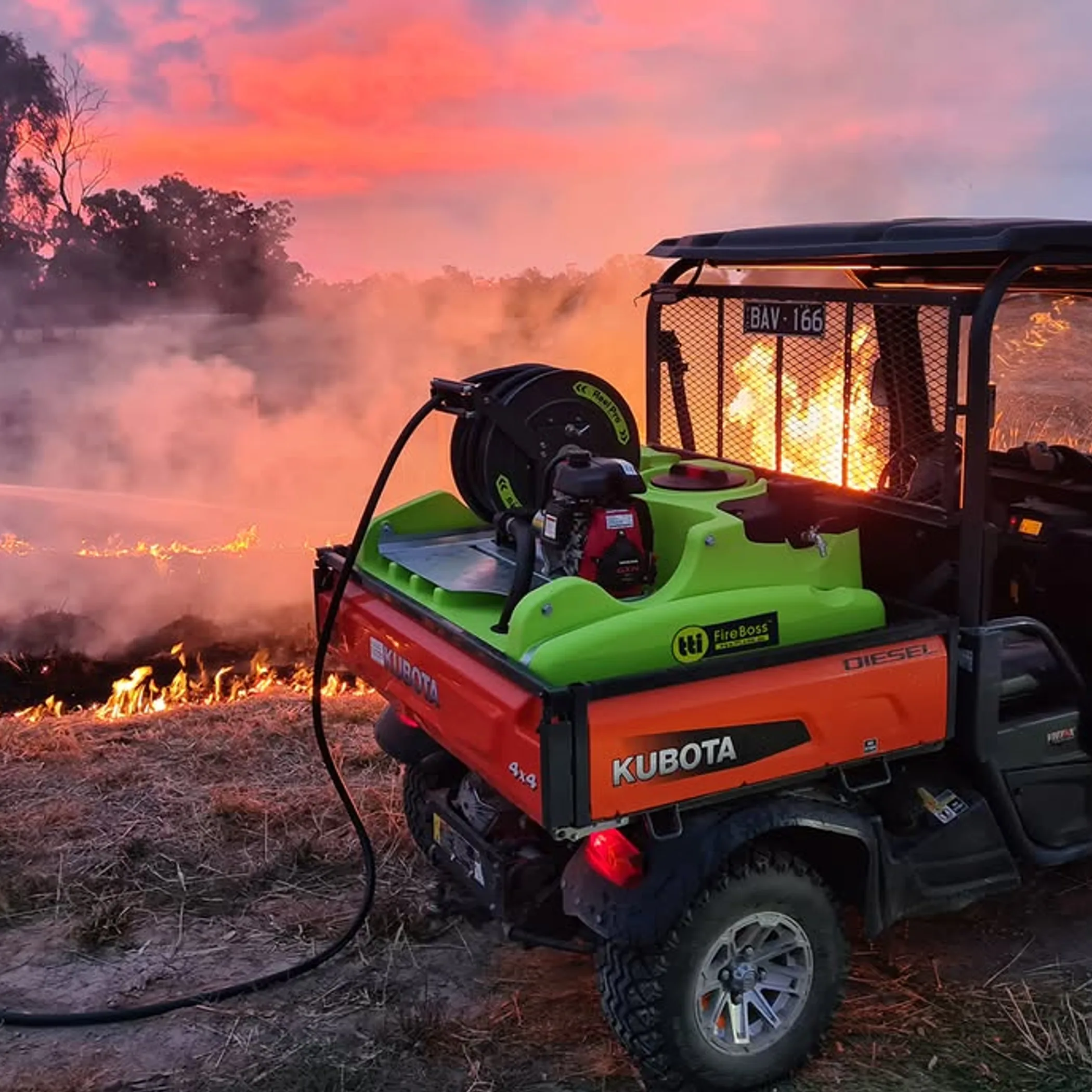
Presently the risks to have in your plan are the cyclone season up north, flooding and heat stress, mosquitoes in the vicinity of still water or post-rain, and in some quarters the threat of bushfire as the dry wears on.
A Checklist For Risk
Heed the BOM warnings on departure and every morning.
Put aside more fuel, water and daylight for any drive out in the remote.
After a heavy rain road conditions are apt to alter.
Be croc-wise about waterways come what may.
Repellent and long sleeves at dusk are de rigueur as is protection from dehydration.
I am yet to see a traveller who does not put too much stock in the drive times given. In the wet a route might be open on paper but it is slow going and no place for a novice in a 2WD hire car. In the dry the distances are vast and the road trains will not be cowed by your appreciation of the view.
Booking Smarts, Crowds And Costs
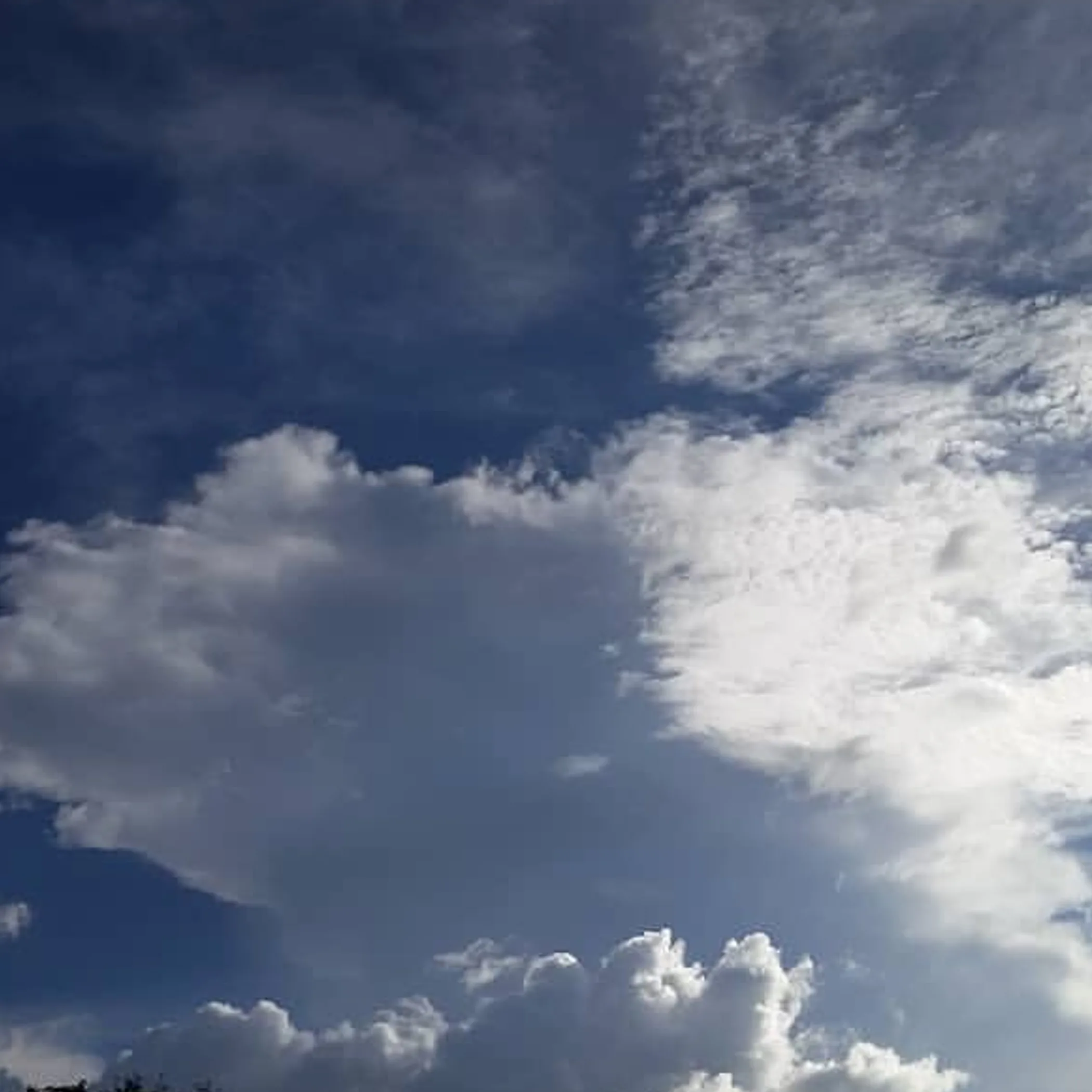
Seasonality can put hundreds of dollars in or out of your budget. Demand is up in the dry and with the easier conditions so are the rates for a car, a tour or a room. The wet sees less demand and the odd saving but if your plans are halved you are not getting value for money. With operators such as Ethical Adventures, Cooee Tours, Responsible Travel or Venture North you are paying for an itinerary constructed around the realities of the season and avoiding the unpleasant surprises.
To give some idea of what to expect, touring and accommodation in Darwin will be steeper in the peak tourist months. In the dry you may find it hard to put your hands on a larger hire car. Food is not as subject to the seasons as access costs but a stop at a remote roadhouse is seldom cheap. Take a couple on a straightforward Top End and Darwin run and an increase of AUD 40-120 a night here and there over a few days will have an effect on the bottom line. Throw in a tour, the hire, park fees and whatever market-coffee optimism is in play and the dry adds up.
In the end the comparison is of use, not theory.
There is no one right answer as to when to make for the Northern Territory. It is a matter of what sort of trip you are after and your tolerance for the unknown.
For a first visit with minimal headaches, the dry is the way to go. Should you prefer your country dramatic and not be put off by some chaos, then the wet will do. It is that simple.
Scenarios for the best match
The first-timer in the NT: head out between May and July for less humidity and travel that is more straightforward.
The photographer in search of mood: make it the green season but have flexible plans and stick to where access is dependable.
A family on a self-drive: opt for the dry, get your bookings in early and put sealed-road routes at the top of your itinerary.
One with an affinity for waterfalls: late wet or early dry will see you where the flow is still good if access has opened up a bit.
The repeat visitor watching his budget: there is a reasonable compromise to be had in the shoulder months provided you can stand the heat.
FAQ
Then again, the weather up north does not conform to the orderly four-season calendar of the south so it is only to be expected.
Wet and dry in the NT?
As a rule of thumb the dry is May to October in the Top End and the wet November to April. Take those as general planning windows; local conditions have a way of changing on you, particularly at the tail end of the monsoon or in the build-up.
Darwin or Cairns for humidity?
You will not find a clear winner over the course of a year since it is day and season dependent. In the build-up and the wet Darwin is as oppressive as they come and the humidity of the wet season is found by many to be very draining. Plan for both as tropical but be aware that in the hotter parts of the wet season Darwin can be brutally sticky.
Perth or Darwin which is the hotter?
Perth may put in some very hot summer days but the heat in Darwin is harder going on account of the humidity. You do not have the same experience from a dry 35°C as you do a sticky 33°C. Most would say Darwin is the tougher place in summer since there is never a moment for the body to dry off.
Where are the wettest and driest in Australia?
In the monsoon the tropical north has some of the wettest ground and the inland deserts the driest. The Top End of the NT gets far more seasonal rain than the Red Centre for instance. That makes planning of a different order around Arnhem Land, Kakadu and Darwin than on a desert road trip.
Is it possible to do Kakadu in the wet?
You can, though there are caveats. Flooding and safety will mean some roads and activities are off limits and access in the wet is often curtailed. For those content to see the park in its stormy, green element and forego a few places it is fine. To have full access to all sites, the dry is wiser.
To sum up
Simon Redcliffe would put it plainly: if you are in any doubt, a self-drive or a family outing calls for the dry season in the NT, as does a first trip where you want things to run reliably. The wet is for those with a genuine interest in the Top End as a messy monsoonal entity and who are heat-tolerant and unbothered by a lack of tidy itineraries.
As for reality versus expectation, the dry is busier than you might think even if it is easy enough. The wet is more of an inconvenience and yet more beautiful. Make your choice of inconvenience, pack for it and once you are out in the red dust or under the clouds of Darwin the Northern Territory will present itself in all its logic.