
So when is the right time to put in an appearance at Ningaloo Reef in 2026? March through July will be your most versatile option if you are after a short answer. You will find the whale shark season at its height from about April to July, then again from August to October for humpback whales. But should you be looking for a bit of variety and not fixate on any one creature, make it late autumn or early winter. You have as good a chance as any of coming across whale sharks and turtles, some fine coral and decent snorkelling without the sense that you have shown up to the wrong event.
I am Simon Redcliffe. One learns from travelling in Australia that timing is everything, something the brochures would have you believe otherwise. The Western Australian Ningaloo Reef is no place to just follow the school holidays and the cheapest airfare; the traveller who does his homework on water clarity, tour logistics and wildlife season is the one who is rewarded. I have put together this guide to tell you precisely what to expect in 2026 and how to put together a workable trip in Exmouth or Coral Bay, and to clear up any misconceptions.
A Quick Summary
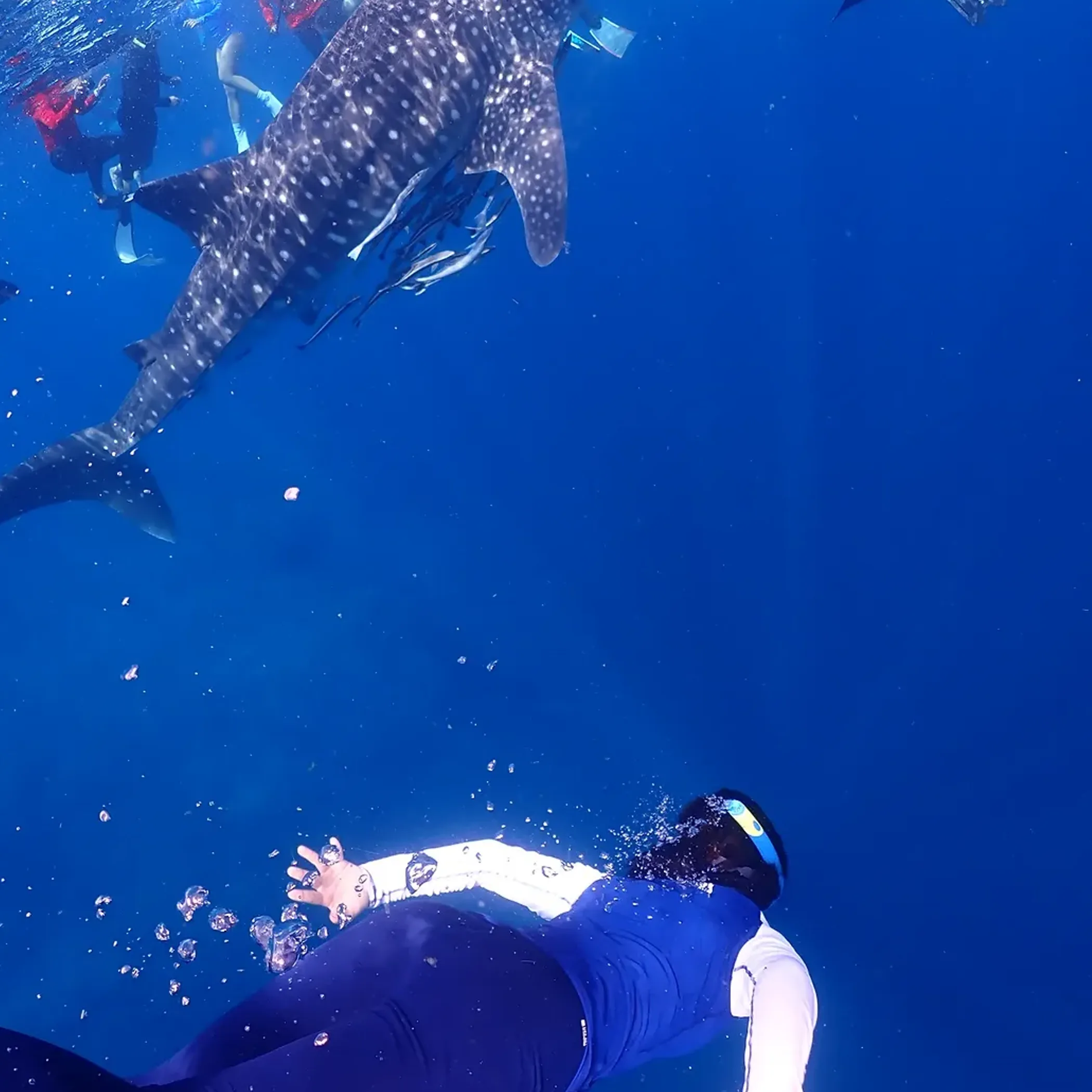
Start here to sort out your annual leave without having to mutter into your coffee while juggling six browser tabs. There are some obvious seasonal trends at Ningaloo that simplify matters, though which months are best is dictated by the animal in question.
My own view is that you can do no better than April to June for a wide range of marine life, and September has a way of being excellent for manta rays and humpbacks. From December to February you may well be rewarded with some good reef snorkelling and turtles, but unless you are in the frame of mind for it, the heat and humidity can be as rough as guts. The region is known for its stunning Ningaloo marine ecosystems.
| Marine Encounter | Best Window In 2026 | Most Reliable Base | Notes |
| Whale sharks | April to July | Exmouth | You will find the bulk of swim tours operating out of Exmouth; the seasonal peak has a way of coinciding with plankton and coral spawning. |
| Manta rays | Year-round (May to November at their best) | Coral Bay | For a regular manta encounter this is the easier option. |
| Humpback whales | June to October | Exmouth and Coral Bay | Sightings tend to pick up in winter and the first part of spring. |
| Turtle nesting and hatchlings | Nesting is November to March in a broad sense, hatchlings January to March. | Beaches of the Exmouth Gulf and Cape Range | Depends on the species, tides and temperature. |
| Snorkelling visibility | Autumn to early winter | Cape Range coast and Coral Bay | Wind and recent weather will still have their say. |
Whale Sharks By Season
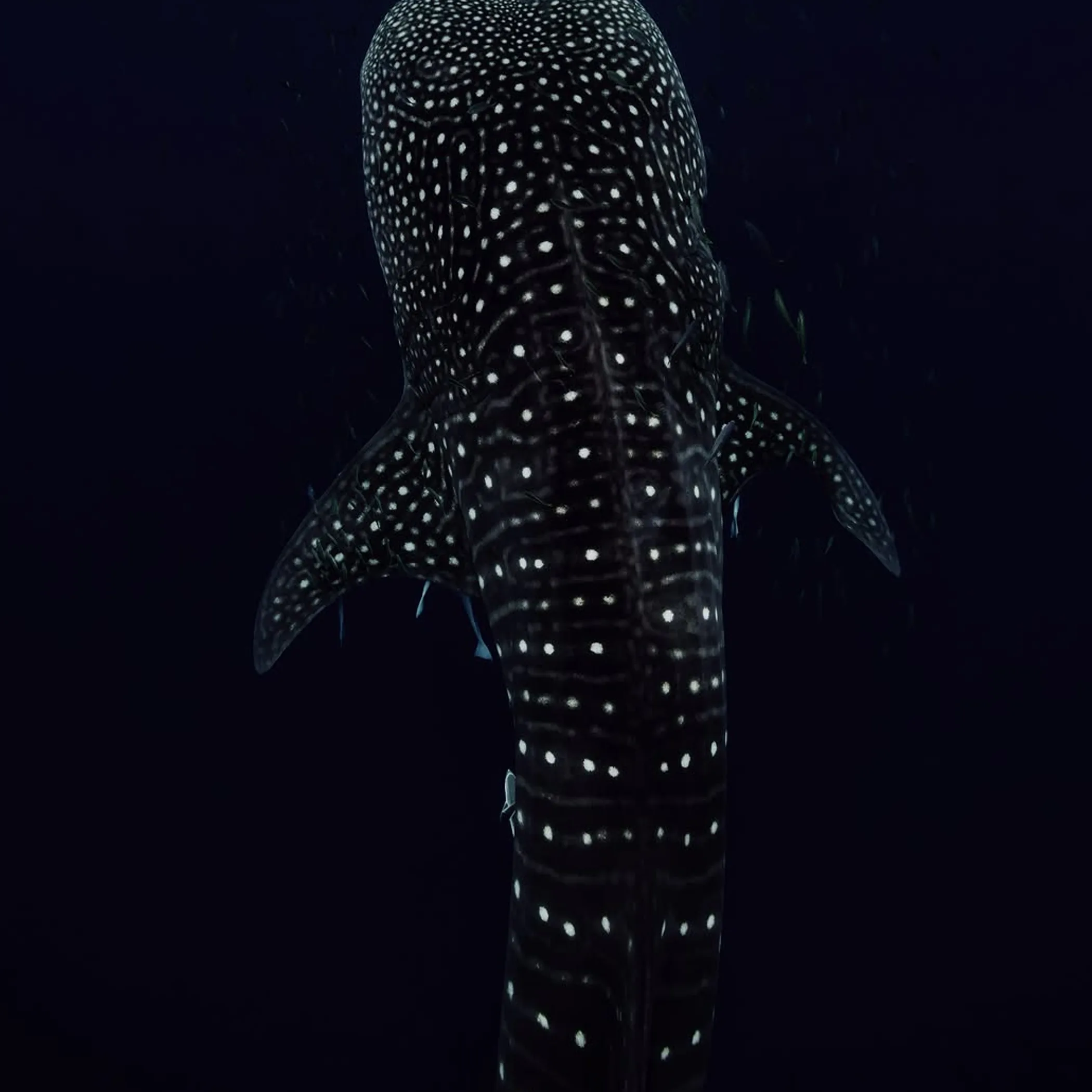
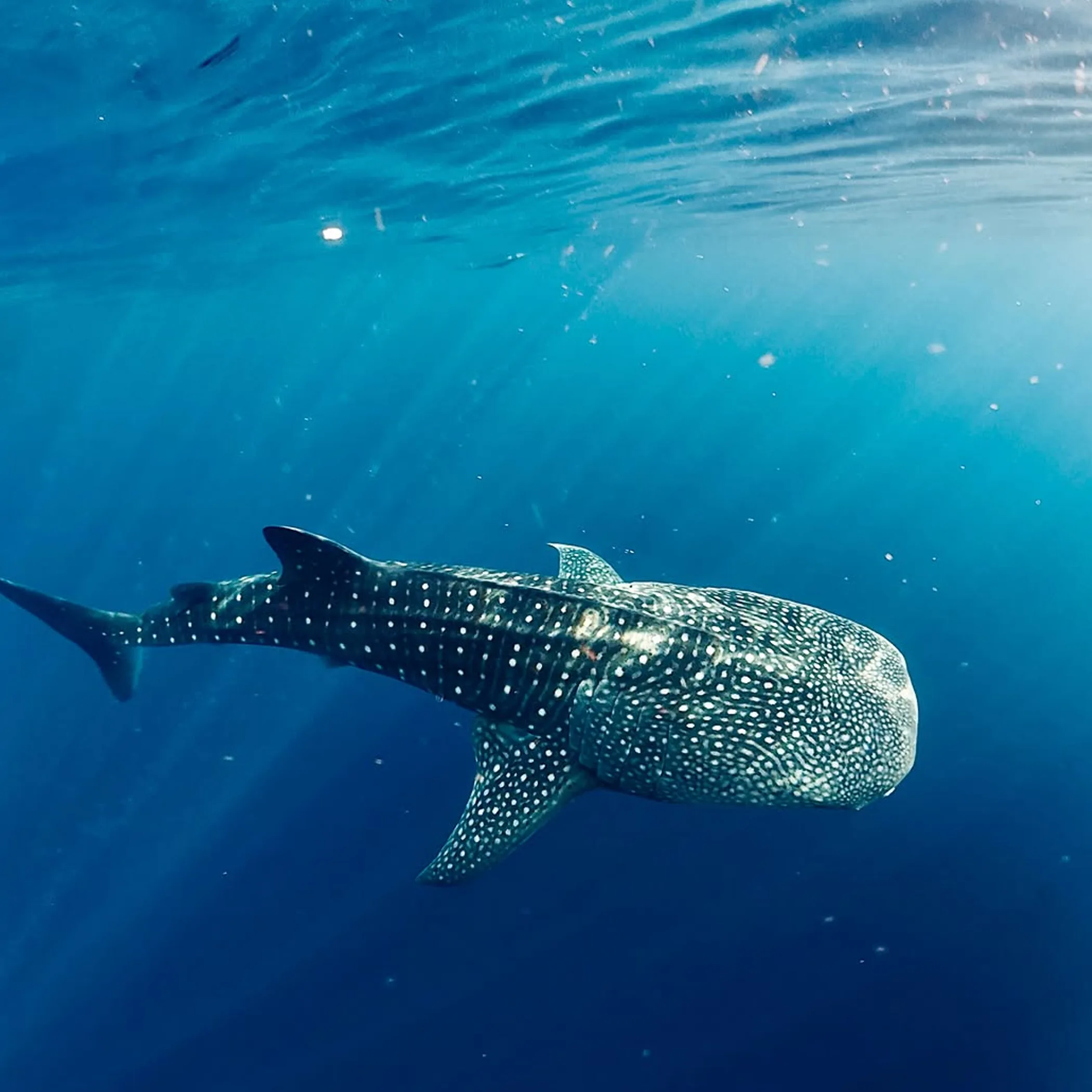
Make the rest of your itinerary fit around swimming with whale sharks in 2026 if that is what you want. They are the encounter that drives demand and availability like nothing else. Do not be under the impression that any week of the year is as good as another. The season is finite and at the mercy of the weather; to turn up in the peak weeks without a booking is an easy way to end up on a jetty and little more.
The whale shark season is most commonly put between March and July, with April to June offering the surest combination of good conditions and active tours. Then again, these are wild animals not a bus service and no operator will put their name to a guarantee of a sighting each and every day.
What you have in Ningaloo is an industry predicated on a solid pattern. On the Coral Coast they will talk of the coral spawning and the ensuing plankton bloom as the draw for the whale sharks. That accounts for why the 2026 Exmouth tours are in such demand come mid-autumn and winter.
Exmouth or Coral Bay
Exmouth is the base of operations for whale sharks. The dedicated aerial-spotting tours put on by the operators go from there to get to the outer reef where you are more likely to have an encounter. There is a whale shark season in Coral Bay but the local tourism is more given to manta rays and cruising the reef. If you are short of time and the whale sharks are a must, book the first licensed tour you can in Exmouth. Coral Bay is not a place to put down and think the drive will be trouble free. Put in 152 km on the road and you are looking at a good 1 hour 40 minutes to 2 hours each way for the journey, give or take what the road and your need for fuel or a stop will allow. The pre-dawn shuffle is one of those things that wears on you fast.
A Matter Of Cost And Booking
Whale shark excursions for a full day in 2026 will be at the top end of what Coral Coast has to offer. There is no set price from operator to operator but factor in the marine park fees, transfers, food and equipment and a sensible outlay for an adult is several hundred AUD, say 500 to 700. Those on a budget have a habit of underestimating the bill and then forgoing the whole point of their trip.
Make sure to book up early during peak dry season or school holidays. You might come across a last-minute offer from the likes of Backpacker Deals but it is a gamble to count on it; with firm dates there is no reason not to secure it in advance.
Humpbacks, Manta Rays and the like
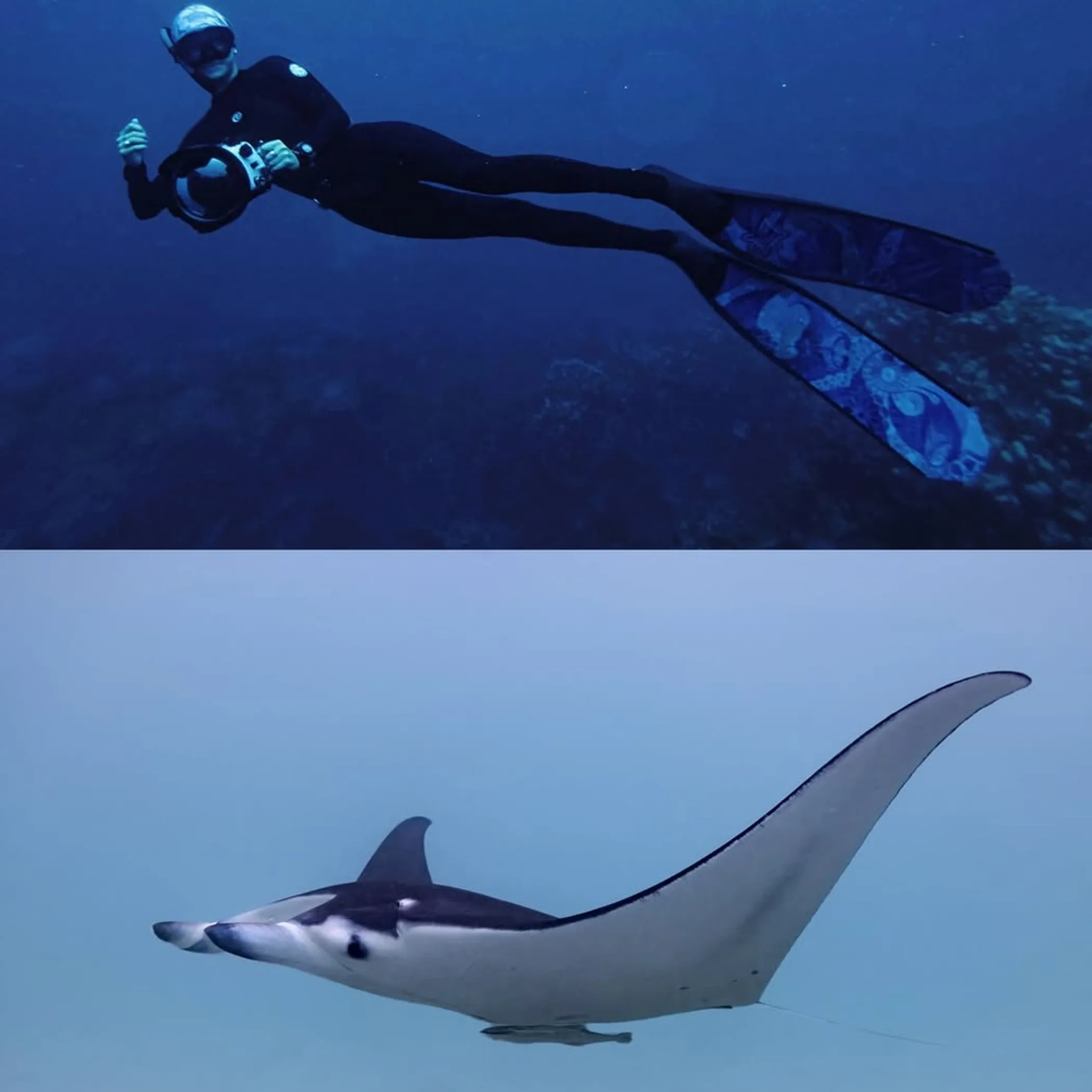
The whale sharks make the headlines but it is manta rays and humpback whales that will have many a traveller coming back to Ningaloo for more. Such encounters are less of a frenzy, you are not vying with the rest of the boat for a shot.
Simon Redcliffe would tell you the manta is the wiser option for the family or any nervous in the water. They may be of a size but it is a calmer affair than the adrenalin of a whale shark run.
When to go for the mantas
Coral Bay is the usual answer if you want to see them in Ningaloo. They are about the bay all year though feeding habits and conditions mean some months are preferable. From May through November you will find the weather is milder and the tours are in full swing.
Then there is the reality check. One envisions giant mantas in crystal clear water putting on a show every day. In fact the wind and swell can alter visibility and you may do more searching than swimming. Yet it is still as consistent a spot in Australia as you will find and eco tours will tell you why they make the area a priority.
Humpback Whales
You will find the humpback season in Ningaloo from June to October or so as they put in an appearance on the WA coast. For the best of it, July to September is the time, and you can spot them from the shore as well as off the boats.
Some operators will throw in a bit of reef snorkelling or wildlife spotting for good value. But do not be under any illusions if seasickness is an issue, winter seas have their lumps. Have your tablets before you set off, not when the horizon is making cartwheels.
Wildlife of note
Orcas are something of a wildcard. To ask when you will see orcas in Ningaloo is to get an honest reply that they are not dependable. Yes, there are sightings off the Coral Coast but they are not the sort of thing to plan a holiday on unless you fancy a high risk chase with little certainty.
Ningaloo’s appeal in 2026 is not just a marquee species but how you can have a week where one encounter follows another: dolphins, trevally, dugongs in places, reef sharks and seasonal seabirds.
Turtles
There is a magic to the marine turtles of the Ningaloo Reef, nothing splashy about it, it requires patience. You will appreciate them once you put away the scavenger hunt mentality of a snorkel and just float for a while.
For nesting in 2026 the window is roughly November to March, hatchlings will be about from January. It is a matter of local beach conditions and which turtle you are talking to, green, loggerhead or hawksbill.
What to expect
In the lagoon or by a patch of seagrass and coral you can see turtles on a reef snorkel any time of year. Adults feeding offshore are much to be had but nesting is a nocturnal affair and should be left to the low-impact experiences that are sanctioned.
Do not be taken in thinking you will have an easy view of hatchlings as a casual visitor. Between the tides and predation and conservation rules not to mention the weather, it is hardly a guaranteed show.
Turtles tend to be the marine life most within reach for first-time snorkellers or when one is in the company of children. A trip to Turquoise Bay or other Cape Range haunts will put on a show of turtles to remember and spares you the rigours of an offshore tour that takes the whole day, as long as the water is calm and all parties observe the rules on distance.
A Month By Month Planner
Here seasonal matters are put in perspective instead of left to generalities. The best of what Ningaloo Reef has to offer is dictated by your own agenda, but there is a distinct character to every part of the year, be it the whale action of the cooler dry season or the stickiness of summer turtle time.
One can use this planner to see if the wildlife on offer squares with your appetite for heat, expense and crowds. There is nothing like a whale shark until you are sunburnt and have had to make do with the car for a night because you were underbooked and did not put in for accommodation.
| Month | Likely Highlights | Conditions | Planning Note |
| January | Turtles, hatchlings and reef snorkelling | Hot and humid with some storm risk | Ideal for a turtle outing, not so much if the heat is off-putting |
| February | Summer reef life, turtles | Very warm, weather at its most variable | Keep an eye on any cyclone activity in northern WA |
| March | Reef snorkelling and the build-up to a good whale shark run | Transitional | An early shoulder month where things start to improve |
| April | Whale sharks, coral and fine marine encounters | For the most part pleasant | Hard to beat as an all-round month |
| May | Manta rays, whale sharks, visibility is strong | You get the mildness of the dry season | Well suited to a mixed wildlife programme |
| June | Snorkelling, humpbacks in and whale sharks | Stable and cooler | Another very capable month |
| July | Reef life, humpbacks and the last of the whale sharks | Dry season in full swing | Book in advance; you will find demand is as thick as sardines |
| August | Humpbacks, manta rays and the reef | Mild, dry | If whales are of more interest than whale sharks then this is great |
| September | Shore-based days are excellent, humpbacks and mantas | Pleasant enough | An easy way to go for a broad holiday |
| October | Warming water, manta rays and late humpbacks | Warmer yet still manageable | A sound shoulder option before the summer sets in |
| November | Some snorkelling and the odd turtle nesting | Heating up | Fewer guarantees of the big animals but fine for a reef trip |
| December | Warm-water snorkelling and turtle nesting | Hot summer | Factor in the heat and the holiday rush for rooms |
Where To Base Yourself
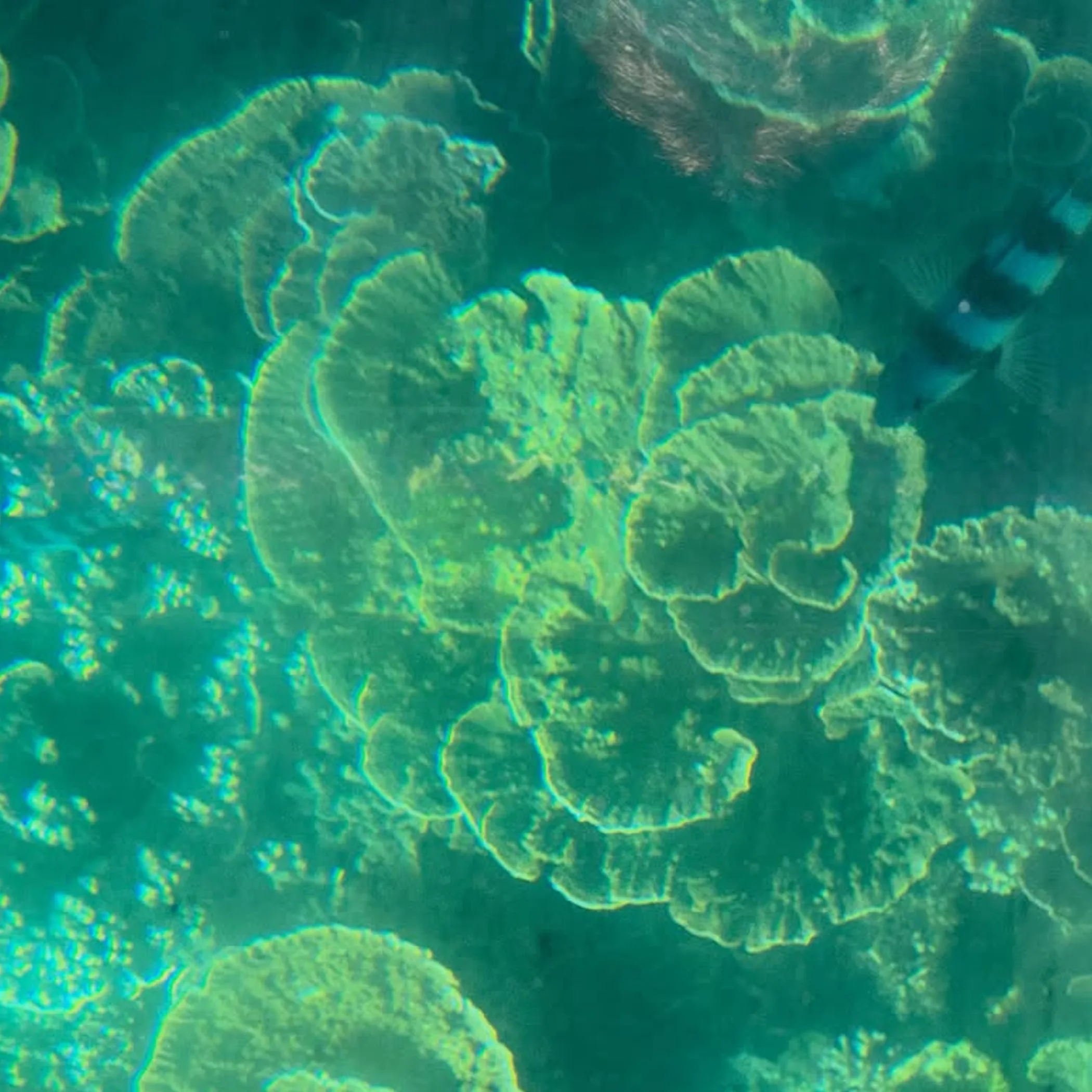
It is more than a question of the style of place you put down when deciding on Exmouth or Coral Bay. It dictates how much driving is in order and whether the morning starts with a coffee at leisure or a grim drive up the highway before dawn.
Exmouth is for the traveller who wants the infrastructure and range. You will find the bulk of the 2026 swim with whale sharks Ningaloo tours and other offshore excursions here. There is also road access to Oyster Stacks and Turquoise Bay in the Cape Range National Park. Put in for a car if you want the freedom of it; public transport is scant and being dependent on a lift or a tour pickup is confining.
The 35 to 45 minute road from Learmonth Airport to town is straightforward. Flights may be via Perth and the cost of a domestic return can be anything from a couple of hundred AUD on a sale to a premium during school holidays.
Coral Bay For Easier Reef Days
This is a no-nonsense beach town, smaller and flatter than Exmouth. In some conditions you can wade off the beach for a good snorkel, a convenience for families or those not wanting to be lugging gear to the car at every opportunity.
Access and parking are less of an issue than in Exmouth but you will not find as much room to put down and it is taken up early. Should you have your heart set on a manta or whale shark tour in Coral Bay, get your lodging sorted before the tour. Do not let it happen the other way round and be left to tell yourself “fine” while sleeping 100 km or more from where you should be.
Tour Operators And Research
In the course of looking into trips one comes across Ocean Eco Adventures, Intrepid Travel, Qantas Travel Insider and Backpacker Deals among others. Some are publishers or sellers, not the ones putting the boat out. Make sure to read what is in writing as to their rebooking or sighting policy and check they have the proper licences.
For any current alerts in Western Australia and to plan properly, the information from the Western Australia Parks And Wildlife Service is the place to look. Their advice on park access and the rules for wildlife protection is worth heeding.
A Matter of Practical Planning
You will find the distinction between a trouble free outing on the Coral Coast and an ordeal propped up by servo pies and exasperation in how you plan. Ningaloo is not as far out of the way as some of the more dramatic parts of the outback, yet it has a remoteness of its own which makes any lapse in preparation costly in short order.
The figures from the Australian Bureau of Statistics put it plainly: regional Australia’s overnight tourism is still what drives demand. In practice, that means one has to book early for the well heeled nature spots during peak times. At Ningaloo you will see the strain on accommodation, hire cars and the big name wildlife tours first.
April through June is when to be at the reef if you want to snorkel in mixed conditions; the calmer weather is conducive to good visibility.
Make time for 4 or 5 days at a minimum, 7 would be preferable to do both Exmouth and Coral Bay justice.
Expect to put down AUD 250-450 a night for something mid-range in the busy season, although there are campsites for less and your money can go further at the resorts.
Have water and sun protection to hand, adopt reef-safe practices and a contingency for when the wind picks up.
Do not make the assumption a beach is for beginners; look at the tides, the sea and what the operator says in his safety briefing.
Weather And Visibility
One might think the dry season offers a planning window without equal, but “dry” is no guarantee of uniformity. The wind is the usual culprit. You can have a clear sky and still be faced with chop and nothing to see. Turquoise Bay will have you doing some fine shore snorkelling one day and be awkward the next.
Put aside the forum posts and get your weather from the Bureau of Meteorology. Up here in Western Australia things can change on a whim, particularly in the warmer months with cyclonic activity to the north dictating terms.
Safety And Skill Level
Some of what is on offer at Ningaloo is not for the uninitiated. The open water demands more of you than the brochures let on, whether it is a drift snorkel, an offshore swim or coming off a boat by the ladder. Be upfront about any lack of confidence when you book; a decent operator will put you where you should be instead of having to make a rescue in front of all.
Then there is the matter of the marine ecosystem. It is as fragile as it is impressive. This is not the local pool so do not make up your own rules for interacting with animals or stand on the coral.
Wildlife Etiquette
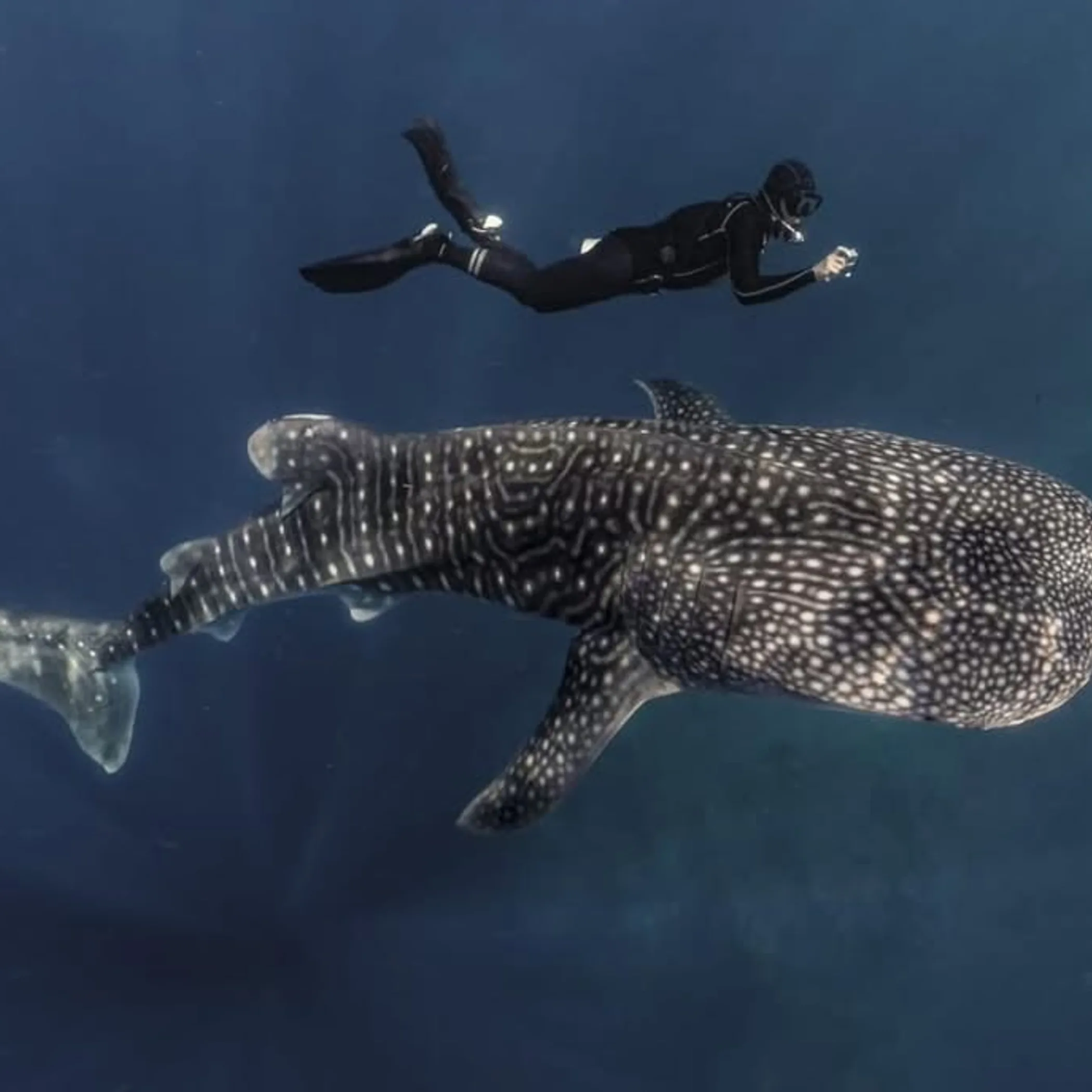
Ningaloo is a living system, not a theme park for fins, and the better encounters are those where you put it back as you found it. For Simon Redcliffe, the message is simple: if you have to put an animal under stress or kick some coral to bits for a photo, forget the picture and mend your ways.
Stick with eco tours that are licensed and know the marine park rules.
Heed the crew and keep your distance from manta rays, whale sharks and turtles.
Do not put hands on them or the coral.
Good buoyancy and fin control will see you do no harm to the reef.
Show some respect for nesting zones and beach closures, pack out your rubbish and cut down on plastic.
There is an ethic to it but also self interest; when people act like galahs in popular haunts the rules get tighter and access is curtailed. A little consideration now is worth it.
In the end
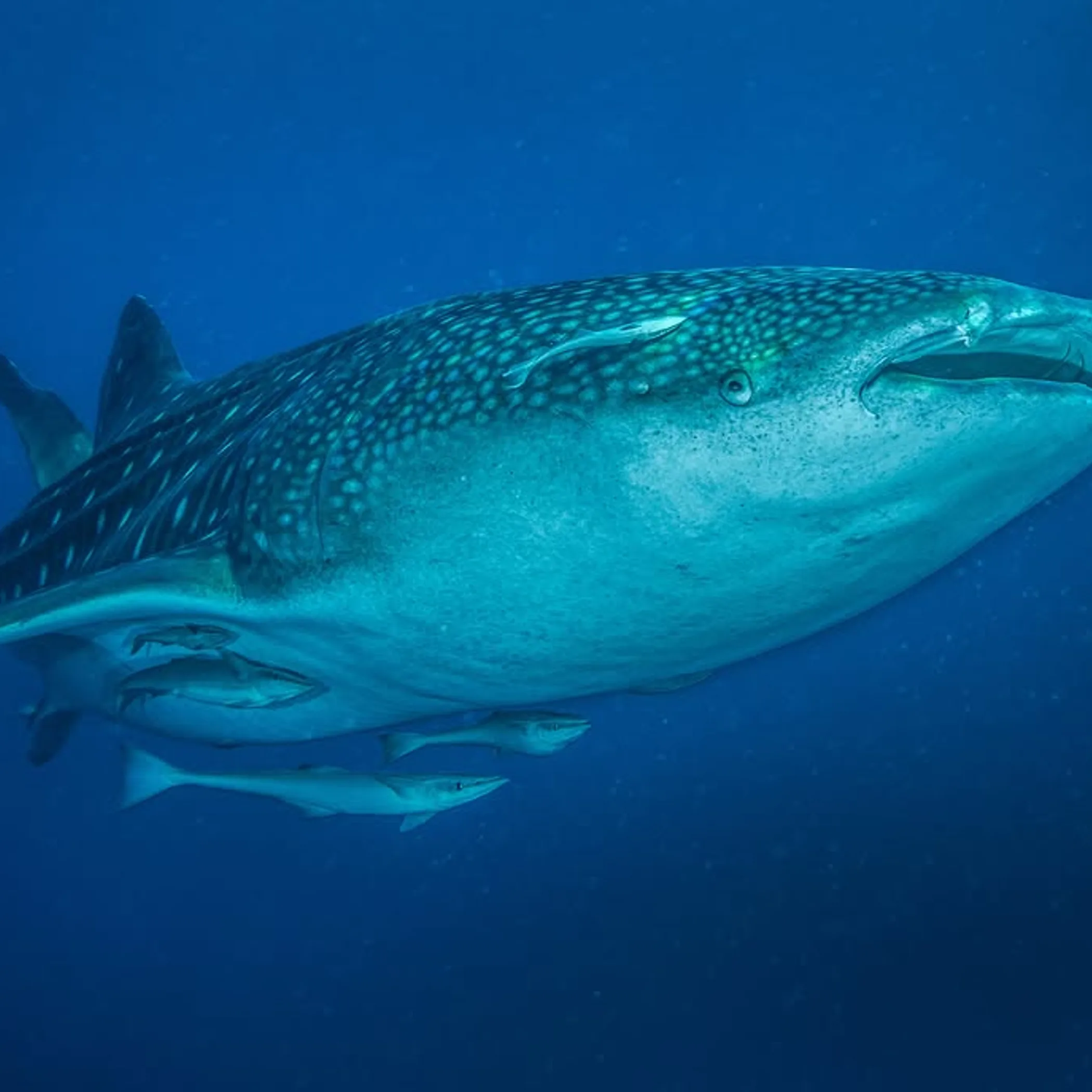
For the widest range of marine life in one go, April to June 2026 is hard to beat. You get the whale sharks, mild weather and a chance to cover Exmouth and Coral Bay and none of the summer heat. Humpback whales call for a later date, July to September, while the turtle watcher is best served in late spring and summer.
I would allow 4 days at the reef as a bare minimum, 7 if you have the time. That is enough for a headline tour or two, some shore time, a day to absorb the weather and an afternoon or two where you can put the watch away and let the coast be.
Plan well and once you are there let go of the reins a bit. Allow for the odd surprise and the timing of the wildlife. Half the pleasure of the Coral Coast is in that.
FAQ
To cut through the vague advice and get some organisation done for Ningaloo Reef, here are the questions most put to us. The short answer and then the context.
What Is The Best Month To Visit Ningaloo Reef?
For an all-round good month one can hardly do better than May. The conditions are typically of the dry season variety, with a tolerable amount of heat and fine visibility for snorkelling; it is also when you will most often find whale sharks. June would be your next best option for somewhat cooler temperatures.
How many days at Ningaloo Reef?
Four is the minimum, seven the ideal. Make it 2 or 3 and a bit of wind or a tour running late has the potential to put paid to the trip. Put in a full week and there is no need to rush from reef snorkelling to a proper wildlife excursion while you have time to see Exmouth and Coral Bay as well.
Manta rays at the reef
You can spot them any time of year but for the most part it is Coral Bay where encounters are a regularity between May and November. They are not confined to those months, only the food supply and other conditions will make them more or less of a find.
What of orcas?
Do not expect an orca season to be as dependable as what you get with humpbacks or whale sharks. They are something of an occasional visitor, not a sure thing, so unless you are prepared for the odds being very much against you, leave them out of your plans for a Ningaloo trip.
Exmouth or Coral Bay for a first visit?
It depends on what is wanted. Exmouth offers the scope for major tours and a road-trip, and is where a first-timer after whale sharks should put down. For a more sedate atmosphere and straightforward access to the beach and manta rays, then Coral Bay is preferable.